Joseph Martin Kraus
Symphony in D major, Vb. 146
Released Album
Recent Album
Works Info
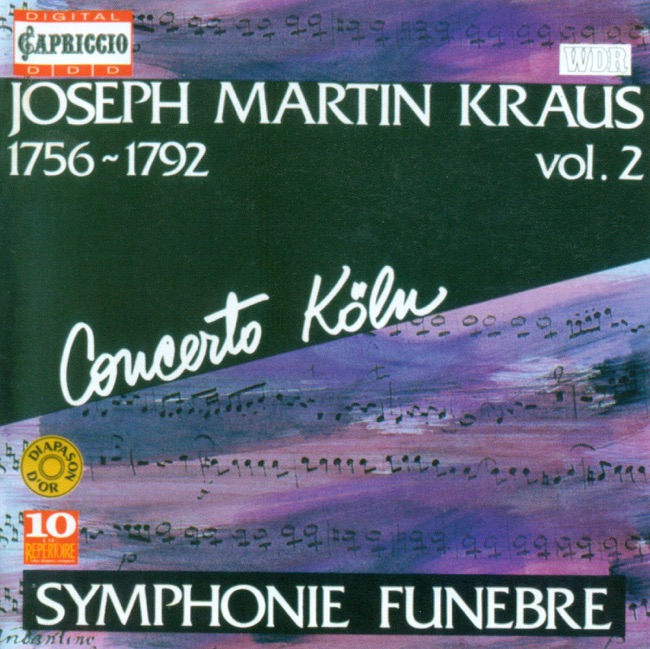
Composer:Joseph Martin KrausGenre:SymphonyStyle:SymphonyCompose Date:ca. 1743Average_duration:8:43Symphony in D major, Vb. 146, is a four-movement symphony composed by Joseph Martin Kraus. Kraus was a German composer who lived from 1756 to 1792. He was known for his innovative style and was often referred to as the "Swedish Mozart" due to his close association with the Swedish court. The Symphony in D major was composed in 1783 and premiered in Stockholm, Sweden, on February 3, 1784. The symphony is scored for two flutes, two oboes, two bassoons, two horns, and strings. The first movement, marked Allegro con brio, begins with a lively and energetic theme played by the strings. The theme is then passed on to the woodwinds and horns. The development section features a dialogue between the strings and woodwinds, with the horns providing a rhythmic pulse. The movement ends with a recapitulation of the main theme. The second movement, marked Andante, is a lyrical and expressive piece. The strings play a beautiful melody that is then echoed by the woodwinds. The middle section features a solo oboe accompanied by the strings. The movement ends with a return to the main theme played by the strings. The third movement, marked Menuetto, is a traditional minuet and trio. The minuet features a playful and dance-like theme played by the strings. The trio section is more subdued and features a solo flute accompanied by the strings. The final movement, marked Allegro, is a lively and energetic piece. The movement begins with a fast and frenzied theme played by the strings. The woodwinds and horns then join in, adding to the excitement. The development section features a dialogue between the strings and woodwinds, with the horns providing a rhythmic pulse. The movement ends with a recapitulation of the main theme. Overall, Symphony in D major, Vb. 146, is a beautiful and innovative piece of music. Kraus's use of dialogue between the different sections of the orchestra and his incorporation of solo instruments into the middle sections of the movements were ahead of their time. The symphony is a testament to Kraus's talent and his contribution to the classical music canon.More....
Works Music
Released Music
1
Symphony in D major, Ex. 146
Symphony in D major 'Sinfonia da chiesa': Andante maestoso - Allegro maestoso
8:59