


Toshio Hosokawa
Released Album
Chamber
-
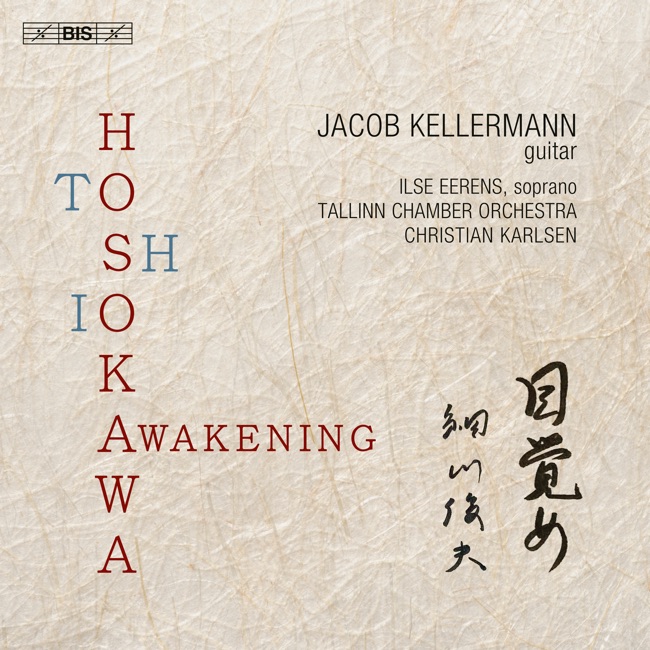 September 6, 2024
 -
 November 10, 2023
 -
 October 27, 2023
 -
 August 10, 2022
 -
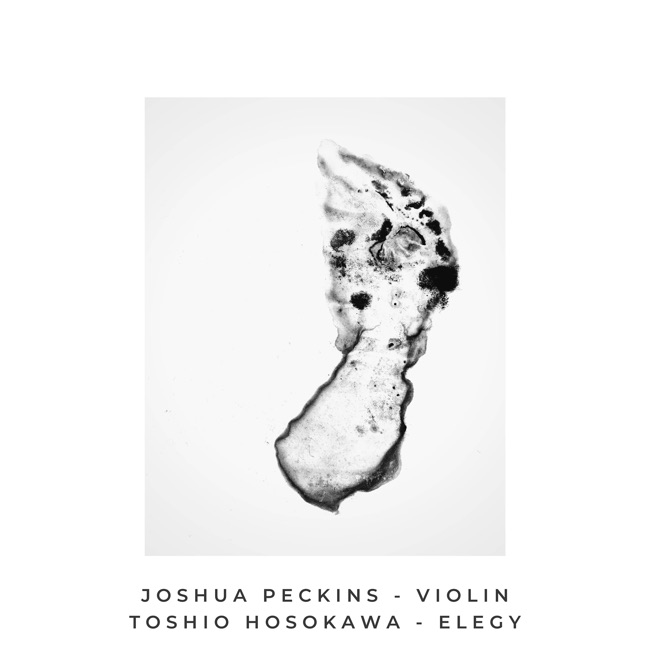 April 27, 2022
 -
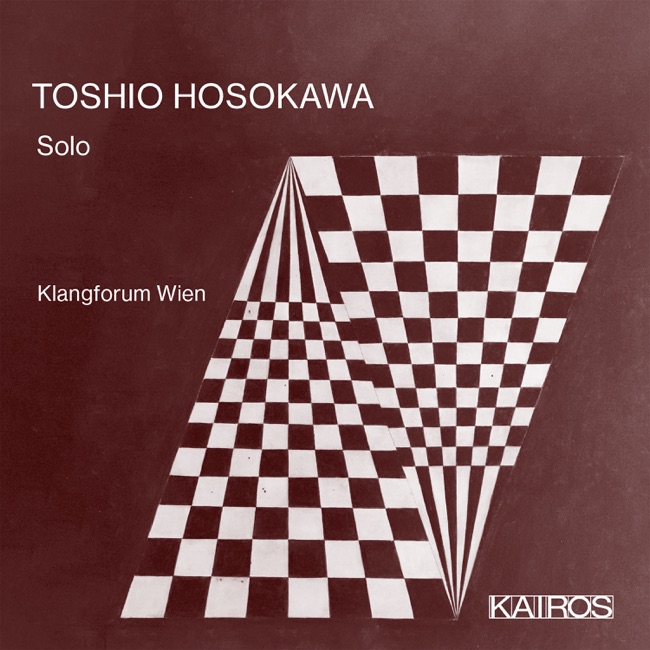 April 9, 2021
Orchestral
-
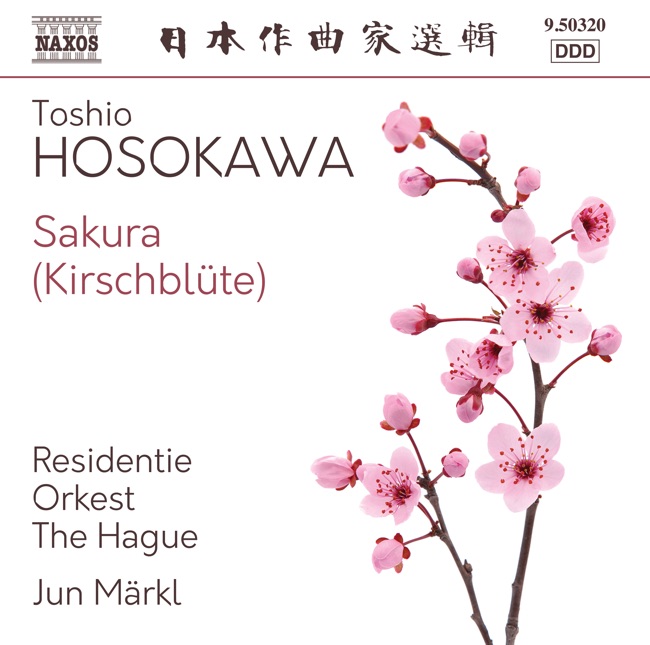 May 31, 2024
 -
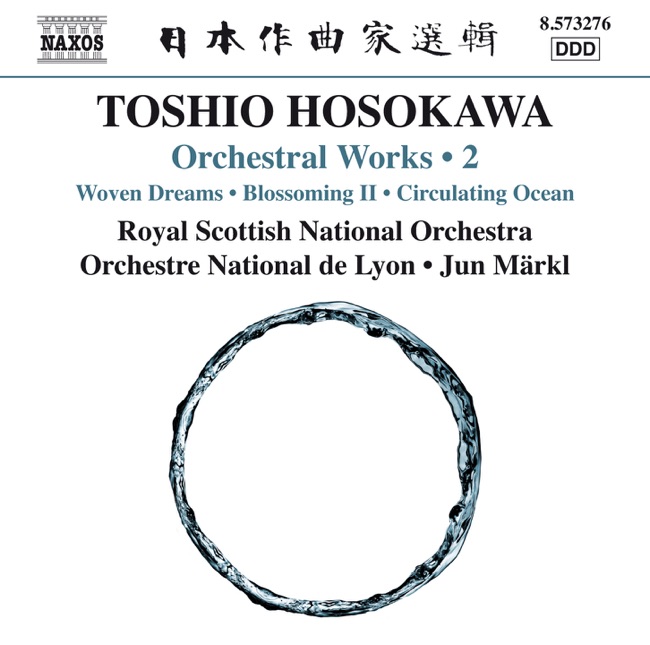 September 9, 2014
 -
 September 1, 2014
 -
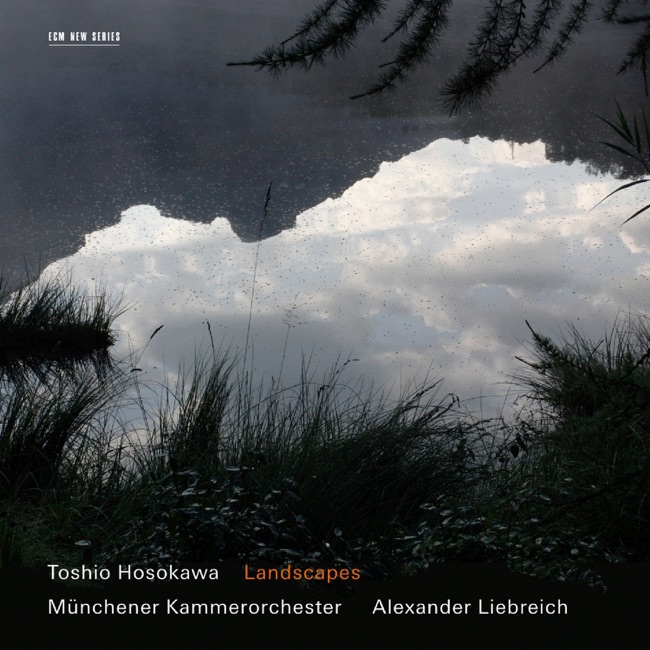 October 24, 2011
 -
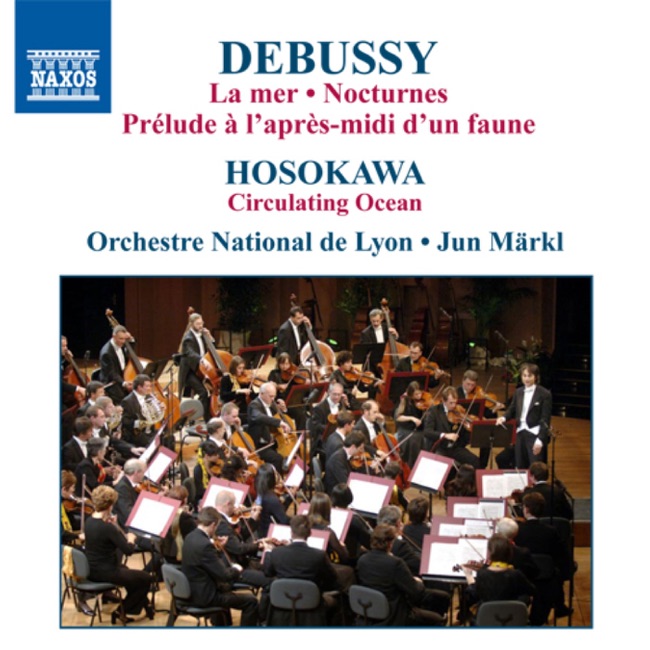 October 1, 2007
Concerto
-
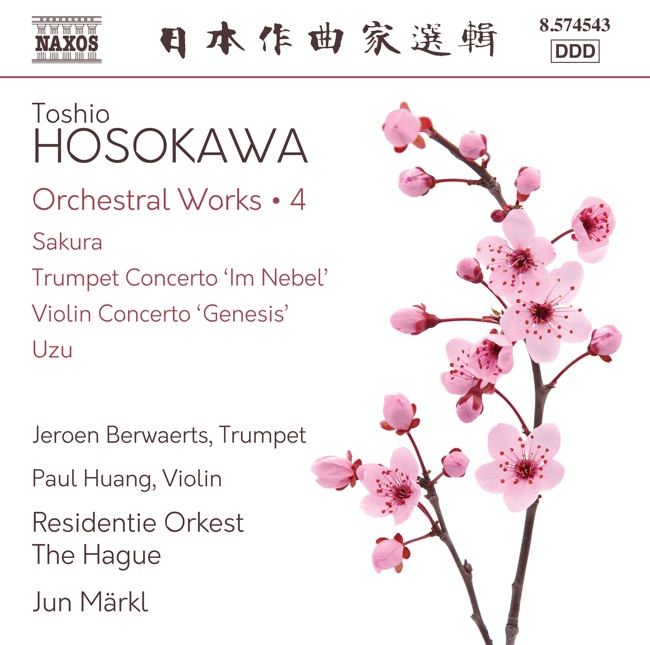 June 28, 2024
 -
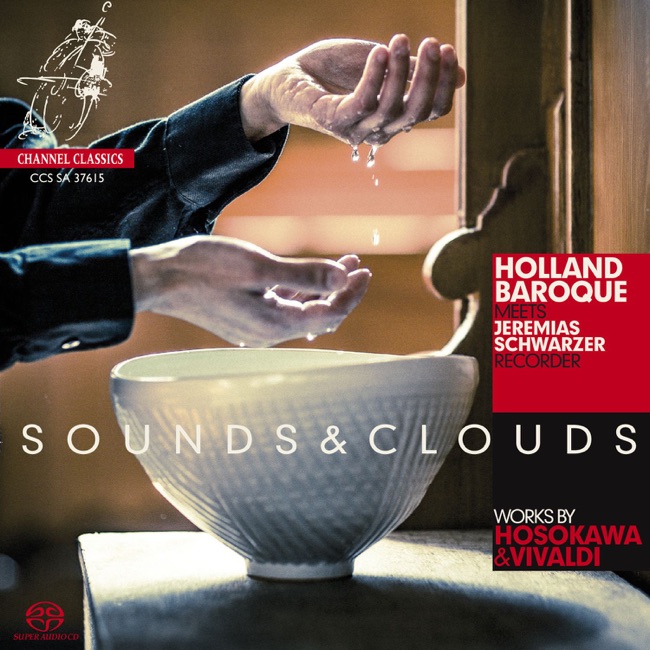 November 13, 2015
 -
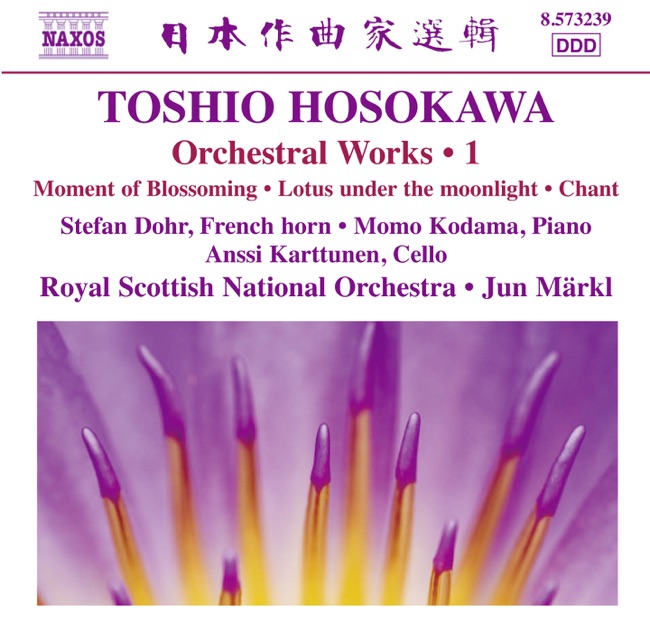 March 3, 2014
 -
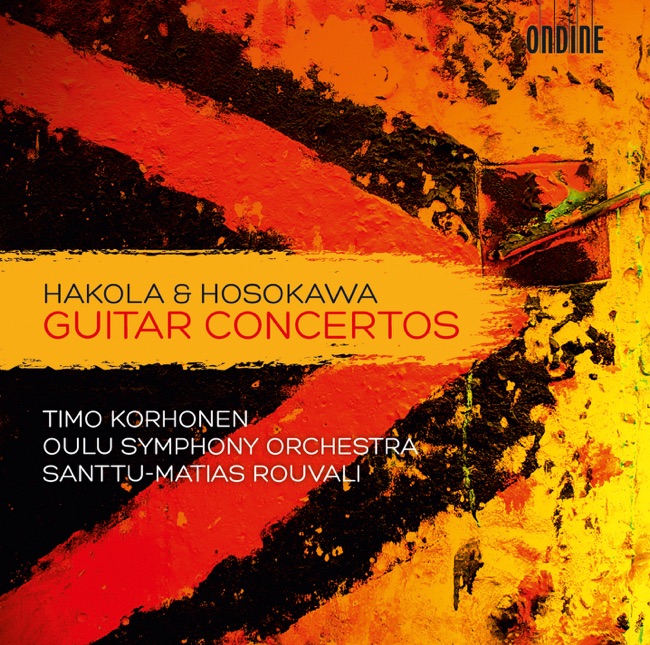 May 28, 2013
 -
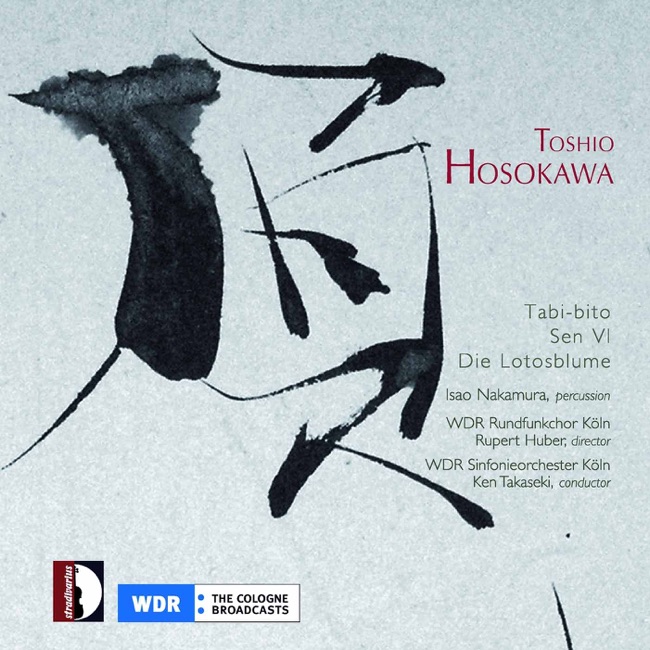 November 11, 2008
Miscellaneous
-
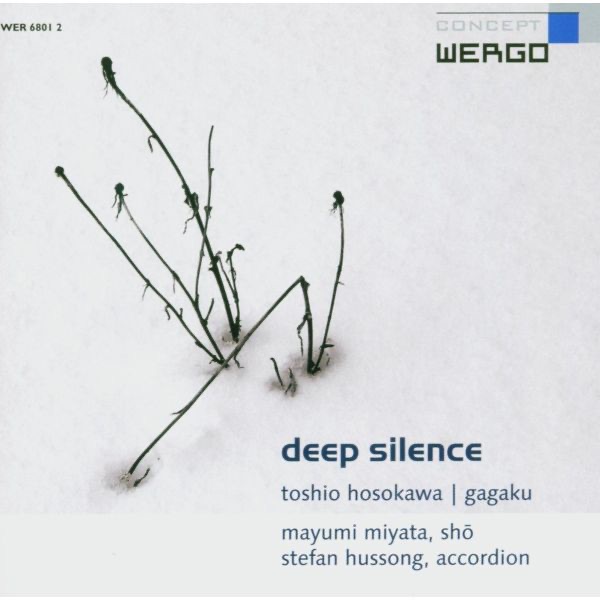 November 9, 2004
 -
Artist Info
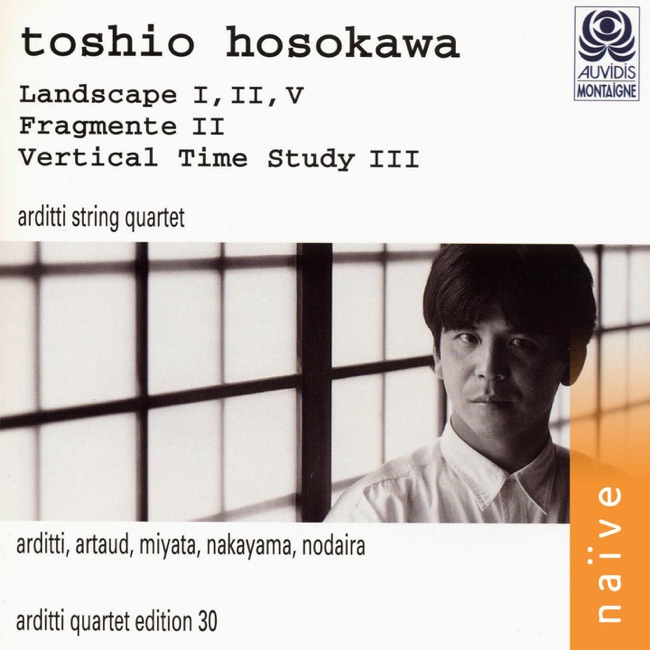
Role:ComposerCountry: JapanBirth:October 23, 1955 in Hiroshima, JapanPeriod:ContemporaryGenre:ChamberConcertoToshio Hosokawa is a Japanese composer who has made a significant contribution to the world of classical music. Born on October 23, 1955, in Hiroshima, Japan, Hosokawa grew up in a musical family. His mother was a pianist, and his father was a doctor who played the shakuhachi, a traditional Japanese bamboo flute. Hosokawa began playing the piano at a young age and later studied composition at the Tokyo College of Music. Hosokawa's music is heavily influenced by his Japanese heritage and his interest in Zen Buddhism. He has said that his music is an attempt to capture the essence of nature and the human spirit. Hosokawa's compositions often feature traditional Japanese instruments, such as the shakuhachi and koto, as well as Western instruments. One of Hosokawa's early works, "Vertical Time Study I," was written in 1981 and is scored for solo piano. The piece is characterized by its use of silence and its exploration of the relationship between sound and time. Hosokawa's interest in Zen Buddhism is evident in this work, as it reflects the Zen concept of "mu," or nothingness. In 1983, Hosokawa moved to Germany to study with the composer Klaus Huber. While in Germany, Hosokawa was exposed to the works of European composers such as György Ligeti and Karlheinz Stockhausen. Hosokawa's music began to incorporate elements of European avant-garde music, while still maintaining its Japanese influence. Hosokawa's "Matsukaze," written in 1993, is one of his most well-known works. The opera is based on a Japanese Noh play and tells the story of two sisters who are spirits of the wind. The opera features traditional Japanese instruments, such as the shakuhachi and koto, as well as Western instruments. "Matsukaze" has been performed in Japan, Europe, and the United States and has received critical acclaim. Another notable work by Hosokawa is "Voyage VII," written in 2002. The piece is scored for shakuhachi, koto, and string quartet and is based on the Zen concept of "satori," or enlightenment. The work is characterized by its use of silence and its exploration of the relationship between sound and space. Hosokawa's music has been performed by orchestras and ensembles around the world, including the Berlin Philharmonic, the New York Philharmonic, and the Tokyo Symphony Orchestra. He has received numerous awards for his work, including the Suntory Music Award in 1998 and the Kyoto Prize in 2011. In addition to his work as a composer, Hosokawa has also been involved in music education. He has taught at the Tokyo College of Music and the Hochschule für Musik Freiburg in Germany. Hosokawa has also served as the artistic director of the Takefu International Music Festival in Japan. In conclusion, Toshio Hosokawa is a composer who has made a significant contribution to the world of classical music. His music is characterized by its exploration of the relationship between sound and silence, its incorporation of traditional Japanese instruments, and its reflection of Zen Buddhist concepts. Hosokawa's works have been performed around the world and have received critical acclaim. He continues to be an important figure in the world of classical music and an inspiration to composers and musicians around the world.More....
Recent Artist Music

Copyright Ⓒ 2013 Davinci Finger. All rights reseved
Service Terms & Policy