


Jonathan Harvey
Released Album
Choral
-
 November 19, 2021
 -
 June 10, 2016
 -
 September 25, 2015
 -
 August 12, 2014
 -
 September 15, 2009
 -
 April 14, 2009
Chamber
-
 March 1, 2019
 -
 October 5, 2018
 -
 September 21, 2018
 -
 May 5, 2015
 -
 October 14, 2014
 -
 October 17, 2011
Keyboard
-
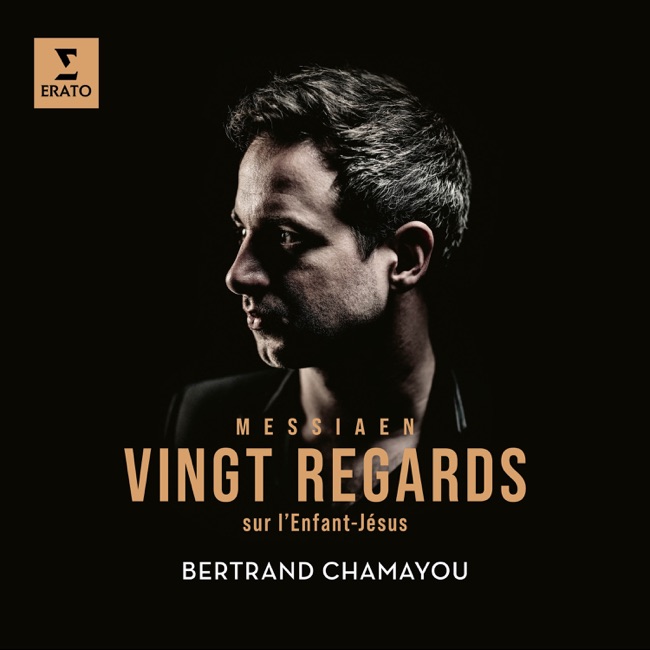 June 3, 2022
 -
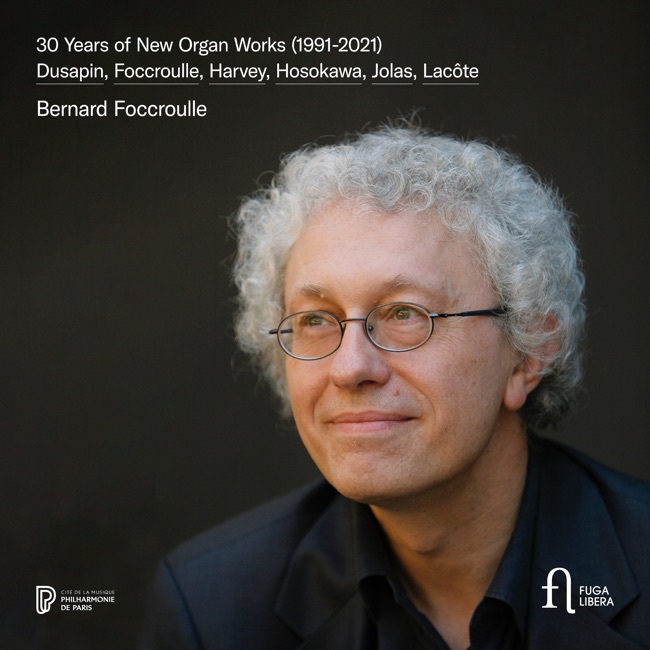 September 24, 2021
 -
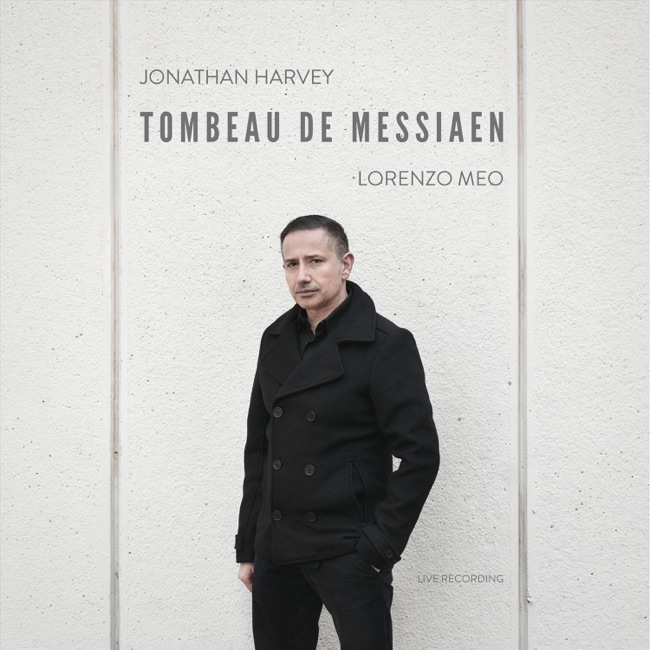 April 1, 2021
 -
 March 31, 2014
 -
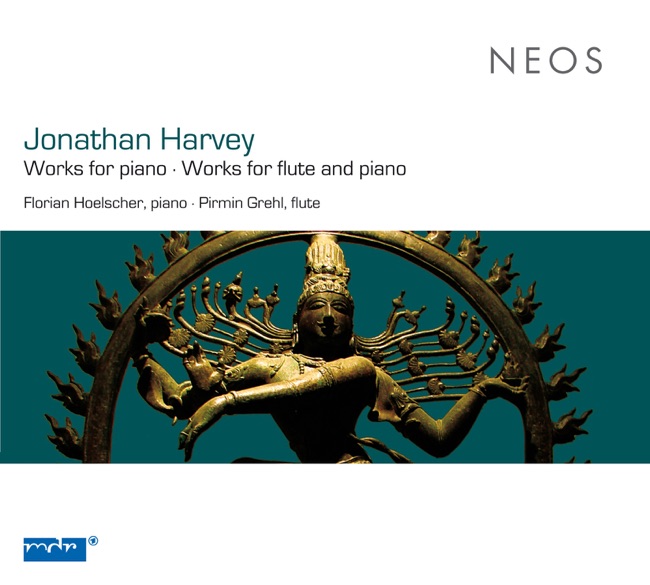 August 1, 2013
 -
 September 1, 2000
Orchestral
-
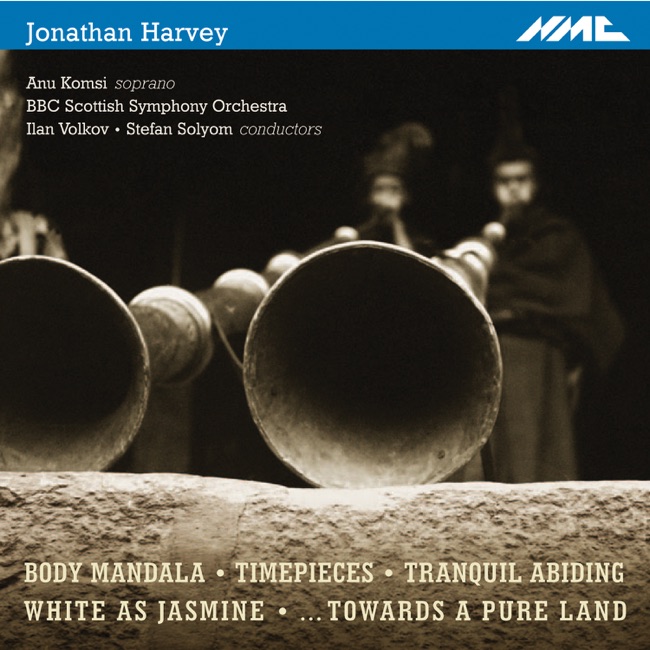
-
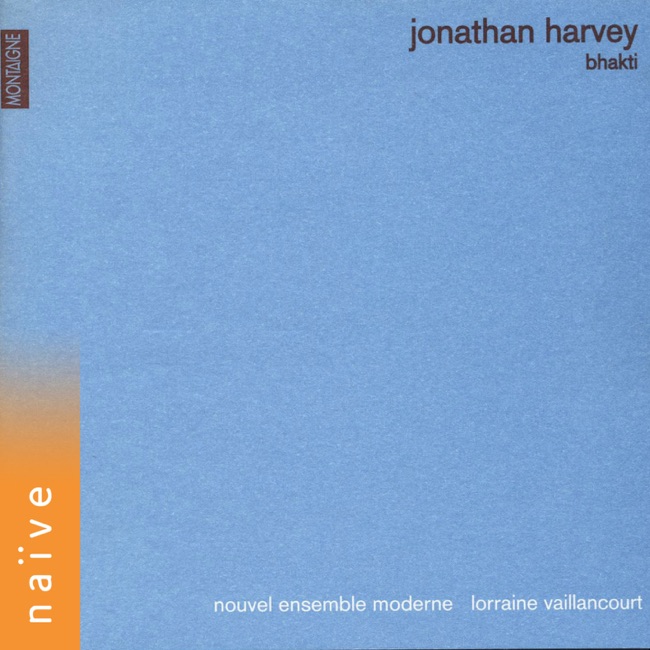 October 10, 2000
 -
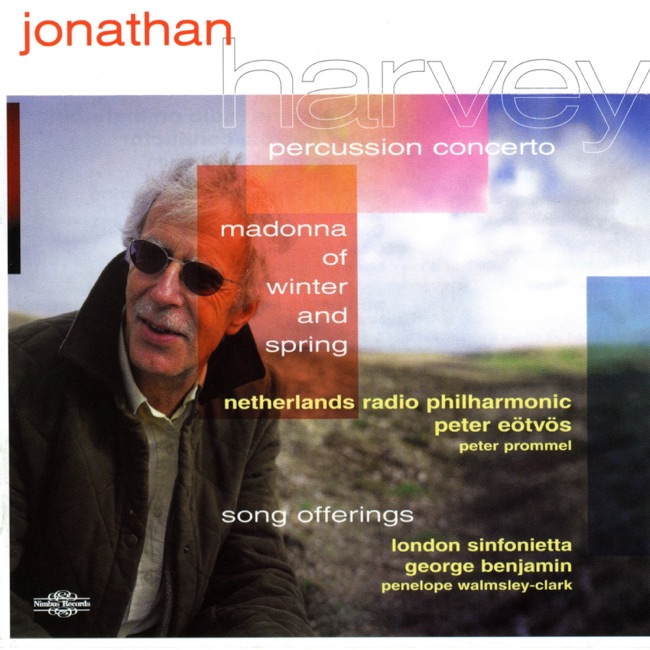
-
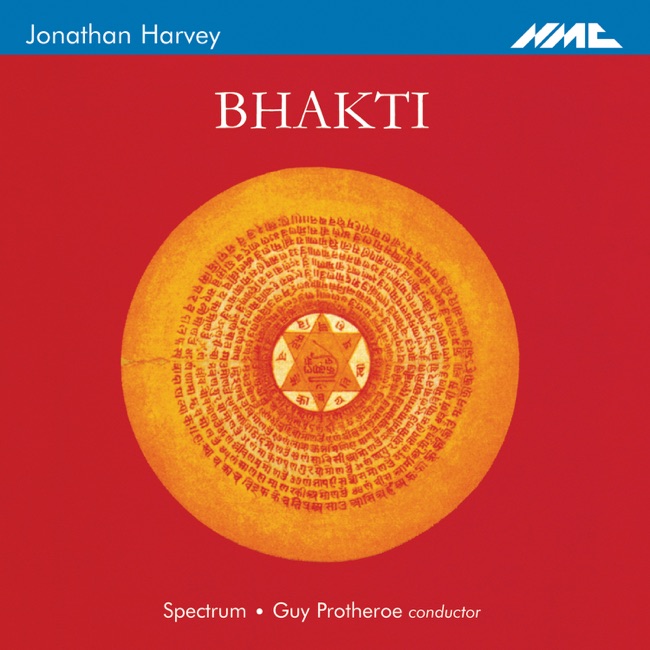 November 1, 1998
 -
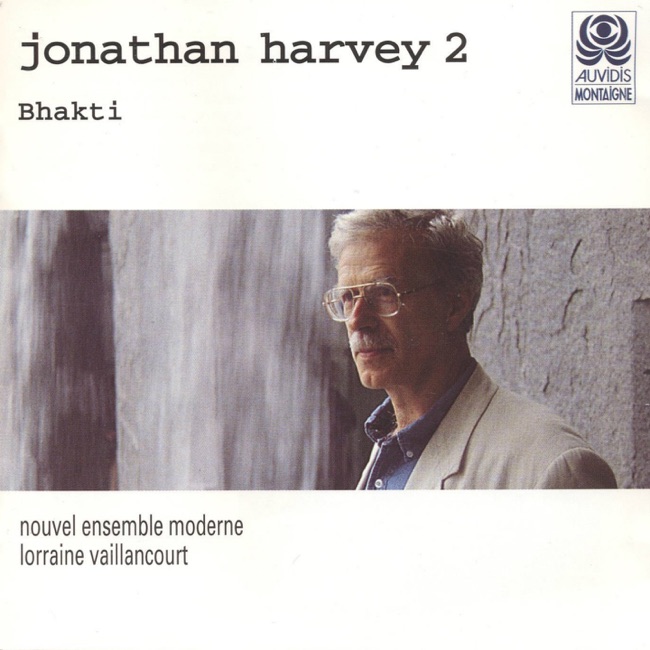 May 21, 1996
Artist Info
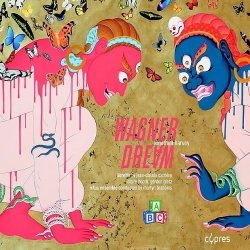
Role:Composer PerformerCountry: United KingdomBirth:May 3, 1939 in Sutton Coldfield, West Midlands, EnglandDeath:December 4, 2012 in Lewes, EnglandGenre:Avant-GardeChamberChoralConcertoElectronic/ComputerOperaOrchestralJonathan Harvey was a British composer who was born on May 3, 1939, in Sutton Coldfield, England. He was the youngest of three children and grew up in a musical family. His father was a church organist, and his mother was a singer. Harvey began playing the piano at a young age and showed an early interest in music. Harvey attended St John's College, Cambridge, where he studied music and mathematics. He later went on to study at the Royal College of Music in London, where he studied with composer and conductor Hans Keller. During this time, Harvey became interested in electronic music and began experimenting with tape recorders and other electronic equipment. In the 1960s, Harvey worked as a music teacher and composer in various schools and universities. He also worked as a freelance composer, writing music for film, television, and radio. In 1969, he was appointed lecturer in music at the University of Southampton, where he remained until 1993. Harvey's early works were influenced by the serialism of composers such as Pierre Boulez and Karlheinz Stockhausen. However, he soon began to develop his own style, which was characterized by a fascination with sound and a desire to explore new sonic possibilities. One of Harvey's most famous works is "Mortuos Plango, Vivos Voco," which he composed in 1980. The piece is a tape composition that combines the sound of a bell from Winchester Cathedral with the voice of his son, who was seven years old at the time. The title of the piece means "I lament the dead, I call the living" in Latin. Harvey's interest in electronic music continued throughout his career, and he became known for his innovative use of technology in his compositions. In the 1990s, he began to incorporate live electronics into his works, allowing performers to interact with electronic sounds in real-time. One of Harvey's most ambitious works is "Wagner Dream," an opera that he composed in 2007. The opera tells the story of Richard Wagner's final days, as he lies dying in Venice. The piece combines live performers with electronic sounds and features a libretto by Jean-Claude Carrière. Harvey's later works were characterized by a spiritual dimension, as he became increasingly interested in the relationship between music and spirituality. He was particularly influenced by the teachings of the Indian philosopher Sri Aurobindo, and his music often reflects a sense of transcendence and mysticism. Harvey continued to compose until his death in 2012. His legacy as a composer is characterized by his innovative use of technology, his fascination with sound, and his spiritual dimension. His works continue to be performed and recorded by musicians around the world, and he is widely regarded as one of the most important British composers of the 20th century.More....
Recent Artist Music



11

Search for a Melody, version for trumpet & tape-delay system
Ricercare una melodia, for oboe & electronics
5:26


Related Artists
Copyright Ⓒ 2013 Davinci Finger. All rights reseved
Service Terms & Policy