


Ildebrando Pizzetti
Released Album
Chamber
-
 September 18, 2020
 -
 February 7, 2020
 -
-
 August 1, 2014
 -
 April 15, 2014
 -
 December 1, 2012
Choral
-
 March 10, 2015
 -
 November 11, 2014
 -
-
 August 28, 2012
 -
 August 28, 2012
 -
Orchestral
-
 August 25, 2023
 -
 December 1, 2018
 -
 July 23, 2010
 -
-
 October 1, 1999
 -
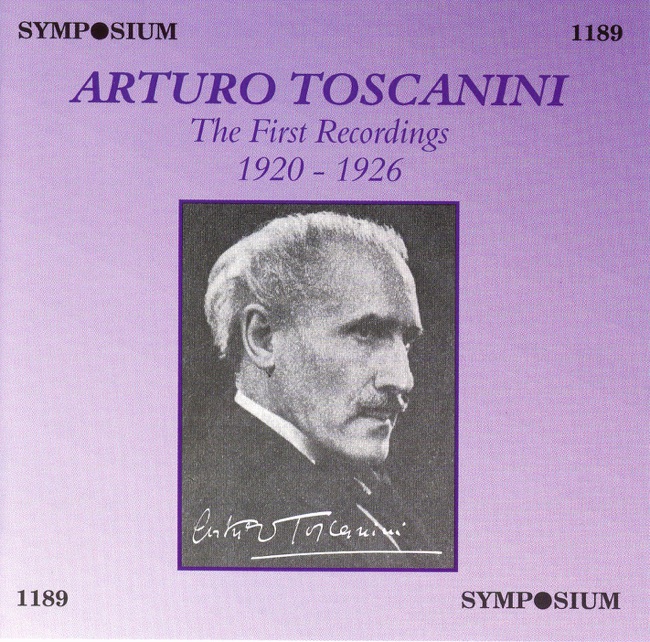 May 21, 1996
Vocal
-
 February 4, 2022
 -
 March 2, 2018
 -
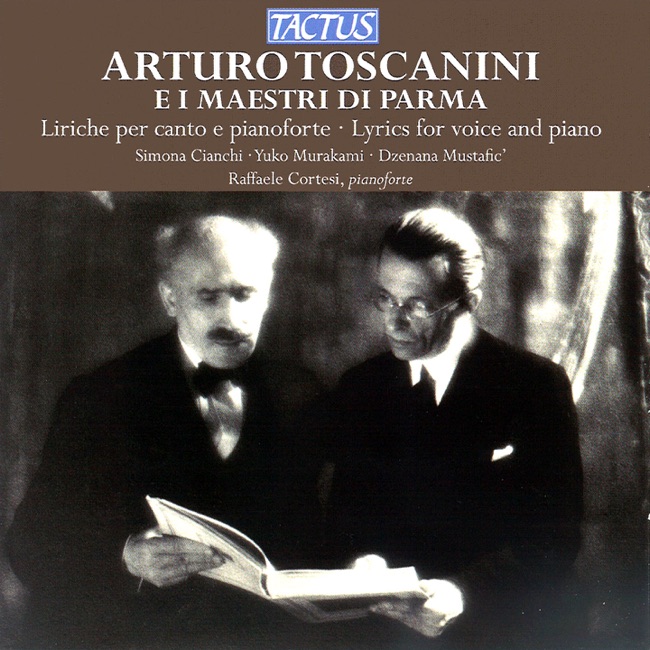
-
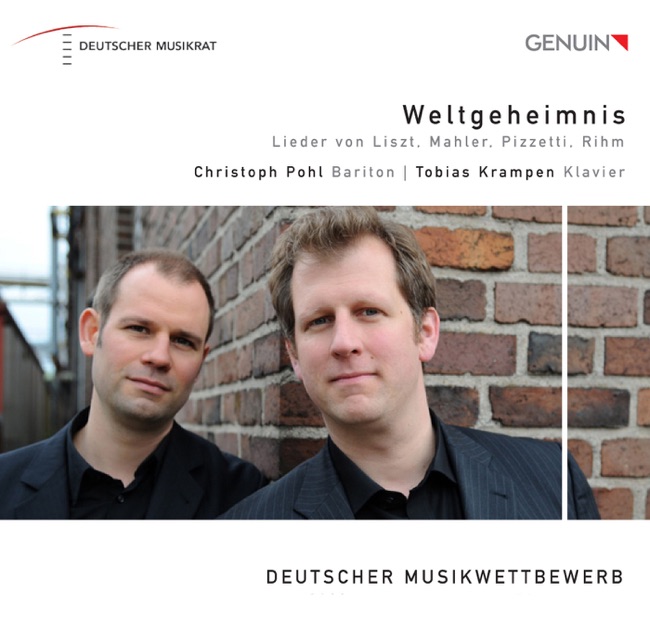 January 16, 2012
 -
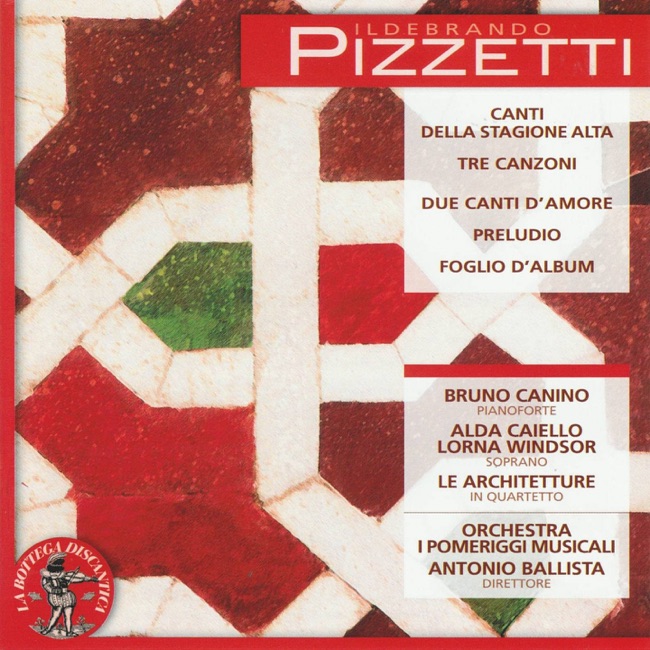
-
 May 18, 2006
Artist Info
Role:Composer ConductorBirth:September 20, 1880Death:February 13, 1968Period:ModernGenre:ChamberChoralKeyboardOrchestralIldebrando Pizzetti was an Italian composer, conductor, and music educator who was born on September 20, 1880, in Parma, Italy. He was the son of Odoardo Pizzetti, a prominent musicologist and composer, and his wife, Clelia Boccabadati. Pizzetti grew up in a musical family and began his musical education at a young age. He studied piano with his mother and later with Giovanni Tebaldini, a renowned composer and musicologist. In 1895, Pizzetti entered the Parma Conservatory, where he studied composition with Giovanni Tebaldini and Antonio Bazzini. He also studied counterpoint and fugue with Marco Enrico Bossi. Pizzetti was a talented student and won several awards and prizes during his time at the conservatory. In 1901, he graduated with a diploma in composition. After completing his studies, Pizzetti began his career as a composer and conductor. He worked as a conductor in various Italian cities, including Florence, Turin, and Rome. In 1905, he became the conductor of the Teatro Regio in Parma, where he conducted many operas and symphonic works. Pizzetti's early compositions were influenced by the Italian opera tradition and the music of Richard Wagner. His first opera, "Fedra," was premiered in 1915 and was based on the Greek myth of Phaedra. The opera was well-received and established Pizzetti as a leading composer in Italy. He went on to compose several other operas, including "Debora e Jaele" (1922), "Fra Gherardo" (1928), and "Assassinio nella cattedrale" (1958). In addition to his operas, Pizzetti also composed orchestral works, chamber music, and choral music. His orchestral works include three symphonies, a violin concerto, and a piano concerto. His chamber music includes several string quartets and a sonata for violin and piano. Pizzetti's choral music is particularly notable, and he composed many works for choir, including "Requiem" (1922), "Messa di Requiem" (1936), and "Canti della stagione alta" (1941). Pizzetti's music is characterized by its lyricism, harmonic richness, and emotional intensity. He was a master of orchestration and was able to create powerful and evocative soundscapes in his works. His music is often compared to that of his contemporaries, such as Ottorino Respighi and Gian Francesco Malipiero. In addition to his work as a composer, Pizzetti was also a respected music educator. He taught composition at the Milan Conservatory from 1924 to 1936 and later served as the director of the Parma Conservatory from 1936 to 1951. He was a dedicated teacher and had a profound influence on many young composers, including Luigi Dallapiccola and Goffredo Petrassi. Pizzetti was also active in the cultural and political life of Italy. He was a member of the Italian Parliament from 1948 to 1953 and was a vocal advocate for the preservation of Italian cultural heritage. He was also a member of the Accademia Nazionale di Santa Cecilia, the most prestigious musical institution in Italy. Ildebrando Pizzetti died on February 13, 1968, in Rome, Italy. He left behind a rich legacy of music and was one of the most important Italian composers of the 20th century. His works continue to be performed and recorded today, and he remains an important figure in the history of classical music.More....
Recent Artist Music
4
11:21
6
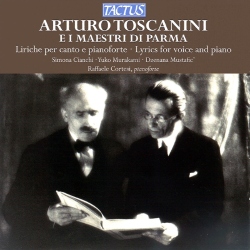
Levommi il mio pensier in parte ov'era (Sonetti del Petrarch No. 3)
Levommi il mio pensier in parte ov'era
3:23
8
5:18
11
Symphony in A major
Andante, non troppo sostenuto ma teso [Quater Note = c. 72] - Concitato [Quater Note = c. 144] -
14:39
14
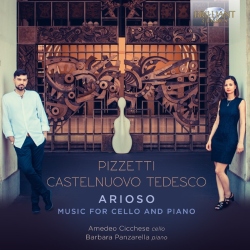
4:34
15
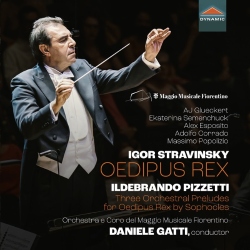
8:15





Copyright Ⓒ 2013 Davinci Finger. All rights reseved
Service Terms & Policy