


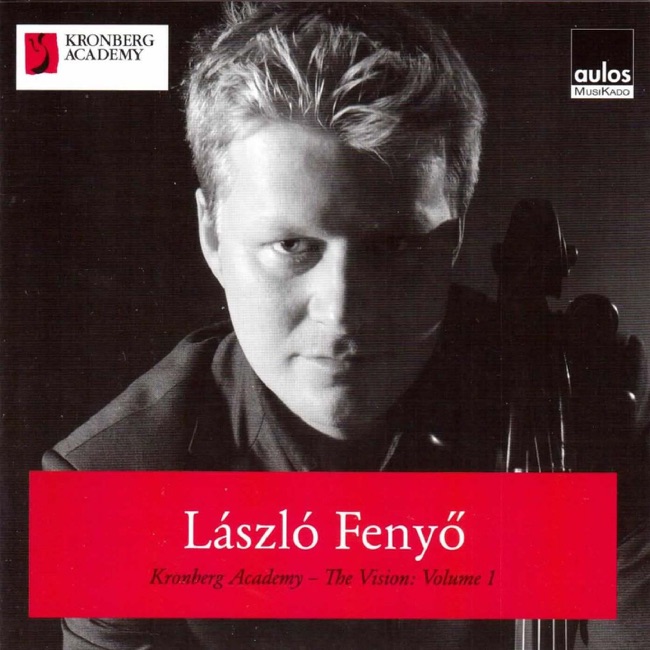
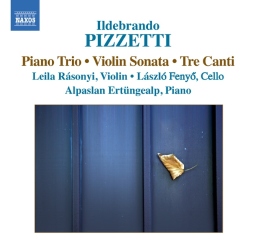
Laszlo Fenyo
Released Album
Chamber
-
 April 2, 2021
 -
 February 12, 2016
 -
 July 27, 2010
 -
 July 27, 2010
 -
Concerto
-
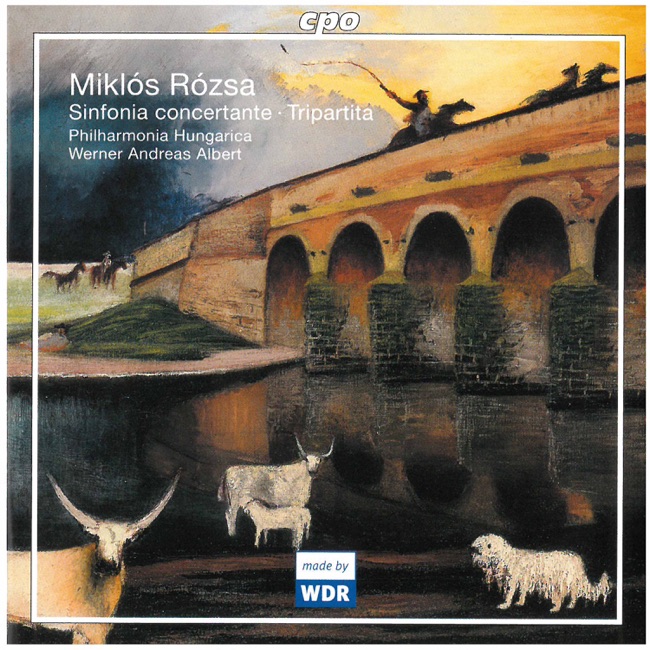 May 17, 2005
Artist Info
Genre:ChamberLaszlo Fenyo was a Hungarian classical pianist and composer, born on August 22, 1933, in Budapest, Hungary. He was the son of a prominent Hungarian composer, Laszlo Lajtha, who was a professor at the Franz Liszt Academy of Music in Budapest. Fenyo grew up in a musical family and began playing the piano at a young age. He showed exceptional talent and was soon recognized as a prodigy. Fenyo's musical education began at the Franz Liszt Academy of Music, where he studied under the tutelage of some of the most renowned Hungarian pianists of the time, including Zoltan Kodaly and Bela Bartok. He graduated from the academy with honors in 1955 and went on to pursue further studies in Paris, France, under the guidance of the legendary pianist, Alfred Cortot. Fenyo's career as a concert pianist began in the late 1950s, and he quickly gained recognition for his exceptional talent and virtuosity. He made his debut performance in Paris in 1958, where he received critical acclaim for his interpretation of Beethoven's Piano Sonata No. 32. He went on to perform in some of the most prestigious concert halls around the world, including Carnegie Hall in New York, the Royal Albert Hall in London, and the Salle Pleyel in Paris. Fenyo's repertoire was vast and included works by some of the most celebrated composers in classical music, such as Bach, Mozart, Beethoven, Chopin, Liszt, and Debussy. He was particularly renowned for his interpretations of the works of Hungarian composers, including his father, Laszlo Lajtha, and Bela Bartok. Throughout his career, Fenyo received numerous awards and accolades for his contributions to classical music. In 1961, he was awarded the Grand Prix du Disque for his recording of Beethoven's Piano Sonata No. 32. He was also awarded the Kossuth Prize, Hungary's highest cultural honor, in 1973, for his outstanding contributions to Hungarian music. In addition to his career as a concert pianist, Fenyo was also a prolific composer. He wrote numerous works for piano, chamber ensembles, and orchestra, many of which were inspired by Hungarian folk music. His compositions were highly regarded and were performed by some of the most renowned orchestras and ensembles around the world. Fenyo's career was not without its challenges, however. He lived through some of the most tumultuous periods in Hungarian history, including the Hungarian Revolution of 1956 and the Soviet occupation that followed. He was also a vocal critic of the Hungarian government's cultural policies, which led to his exile from Hungary in 1974. He settled in Paris, where he continued to perform and compose until his death in 2014. Despite the challenges he faced, Fenyo's legacy as a pianist and composer continues to inspire generations of musicians and music lovers around the world. His exceptional talent, virtuosity, and dedication to his craft have earned him a place among the most celebrated classical musicians of the 20th century.More....
Recent Artist Music
3
16:58
Copyright Ⓒ 2013 Davinci Finger. All rights reseved
Service Terms & Policy