


Walter Rabl
Quartet for clarinet, violin, cello & piano, Op. 1
Released Album
Recent Album
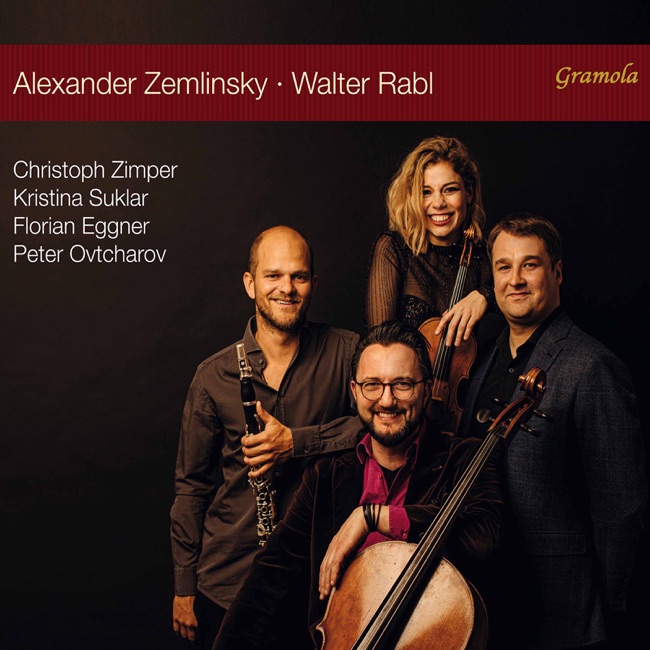
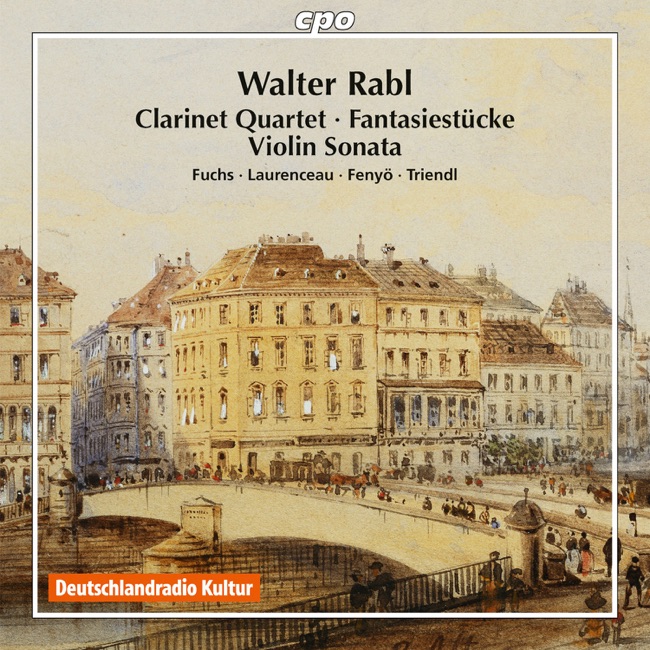
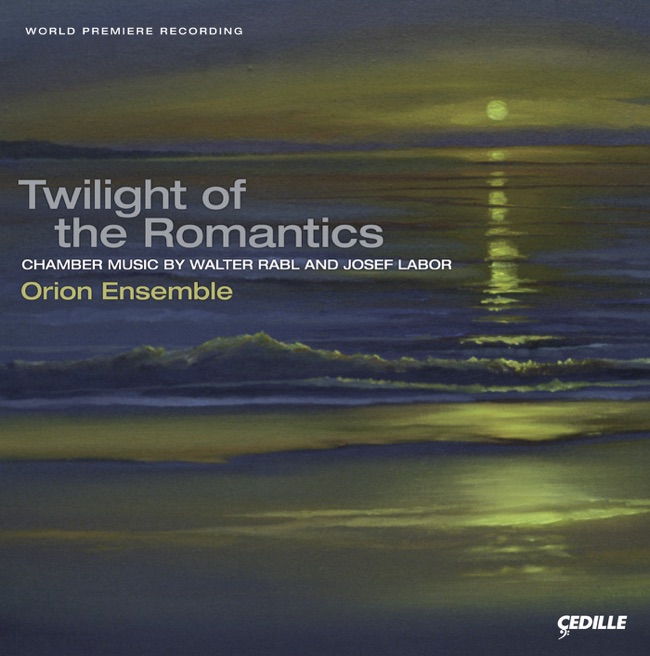
Featured Album
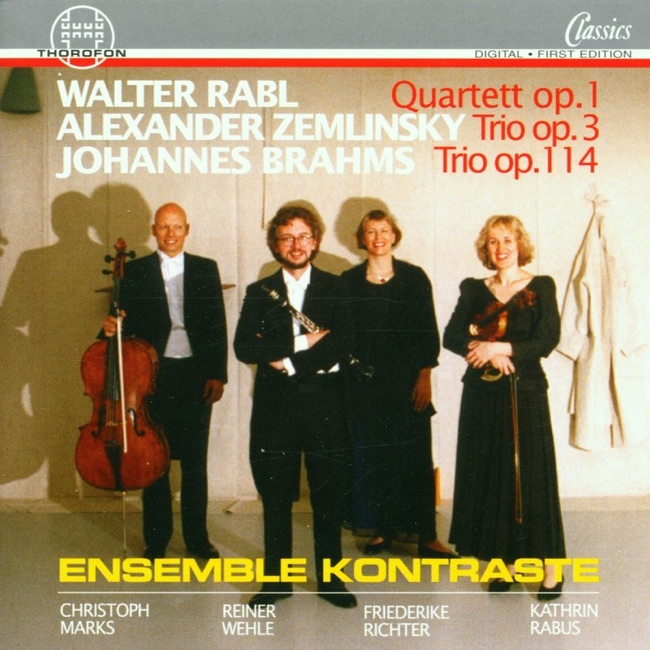
Works Info
Composer:Walter RablGenre:ChamberStyle:QuartetAverage_duration:24:31Movement_count:4Movement ....Walter Rabl's Quartet for clarinet, violin, cello & piano, Op. 1, was composed in 1896 when Rabl was just 19 years old. The piece premiered in Vienna in the same year, and it quickly gained popularity among audiences and critics alike. The quartet is divided into four movements, each with its own unique characteristics. The first movement, marked Allegro moderato, begins with a lyrical clarinet melody that is soon joined by the other instruments. The music is characterized by its lush harmonies and flowing melodies, which are reminiscent of the Romantic era. The movement features several contrasting sections, including a more energetic middle section and a slower, more introspective section towards the end. The second movement, marked Andante, is a beautiful and melancholic piece that showcases the clarinet's expressive capabilities. The violin and cello provide a delicate accompaniment, while the piano adds subtle harmonic support. The movement is notable for its use of chromaticism and its poignant melodies. The third movement, marked Scherzo, is a lively and playful piece that features intricate interplay between the instruments. The clarinet and violin often play in unison, creating a sense of unity and cohesion. The movement is characterized by its rhythmic vitality and its use of syncopation. The final movement, marked Allegro molto, is a fast-paced and energetic piece that brings the quartet to a thrilling conclusion. The movement features virtuosic passages for all four instruments, as well as several moments of intense drama and excitement. The music is characterized by its use of driving rhythms and its sense of forward momentum. Overall, Rabl's Quartet for clarinet, violin, cello & piano, Op. 1, is a beautiful and well-crafted piece of chamber music that showcases the composer's talent and skill. The quartet is notable for its lush harmonies, expressive melodies, and intricate interplay between the instruments. It remains a popular work in the chamber music repertoire to this day.More....
Works Music
Released Music
Featured Music
2
8:37