


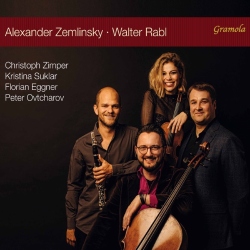
Walter Rabl
Released Album
Chamber
-
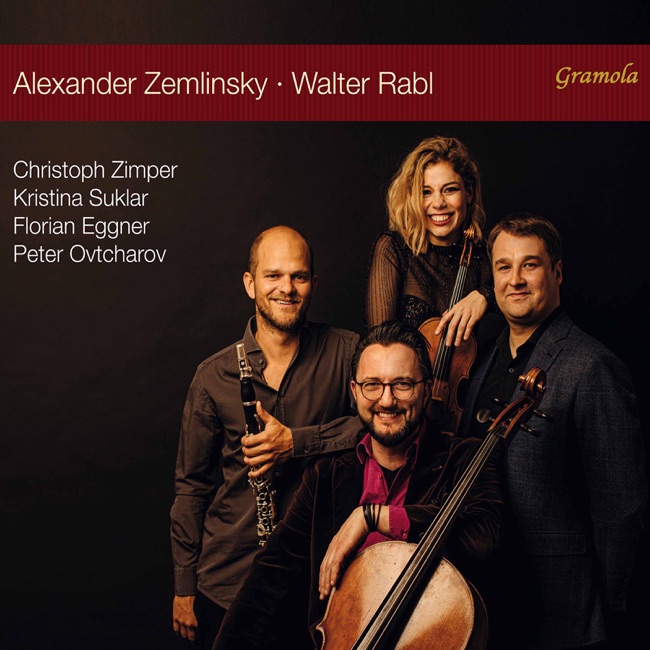 September 4, 2020
 -
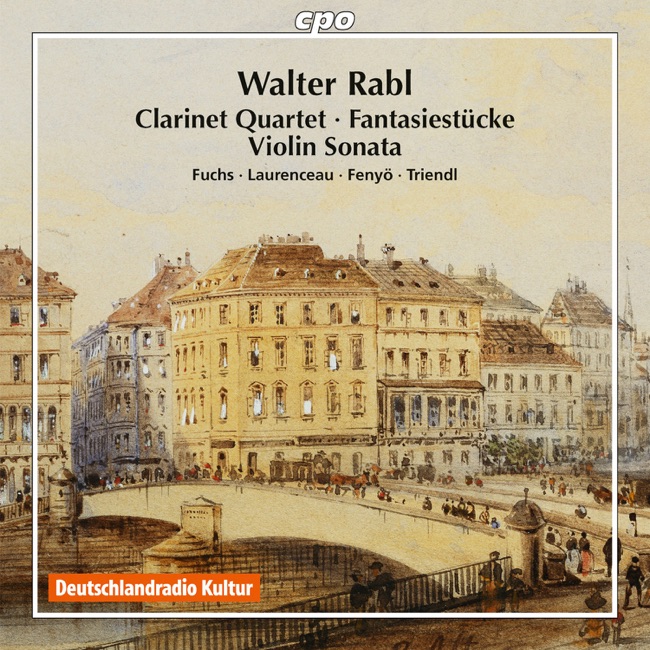 February 12, 2016
 -
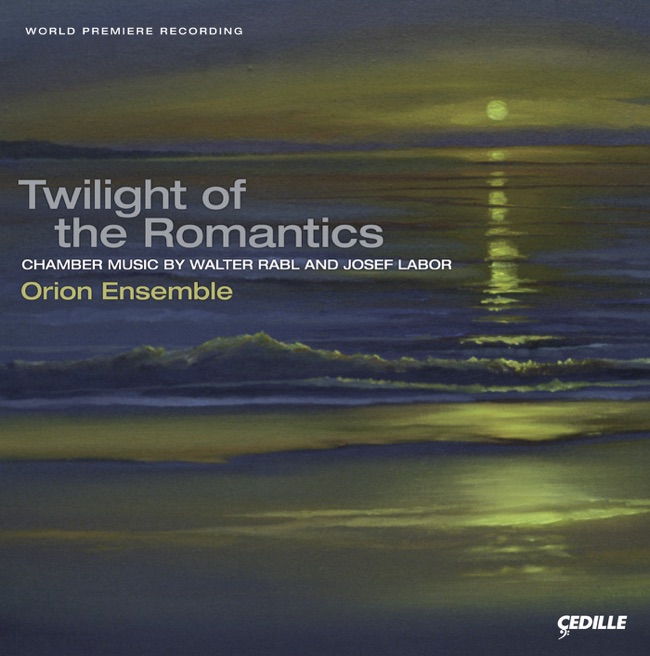 February 28, 2006
 -
Vocal
-
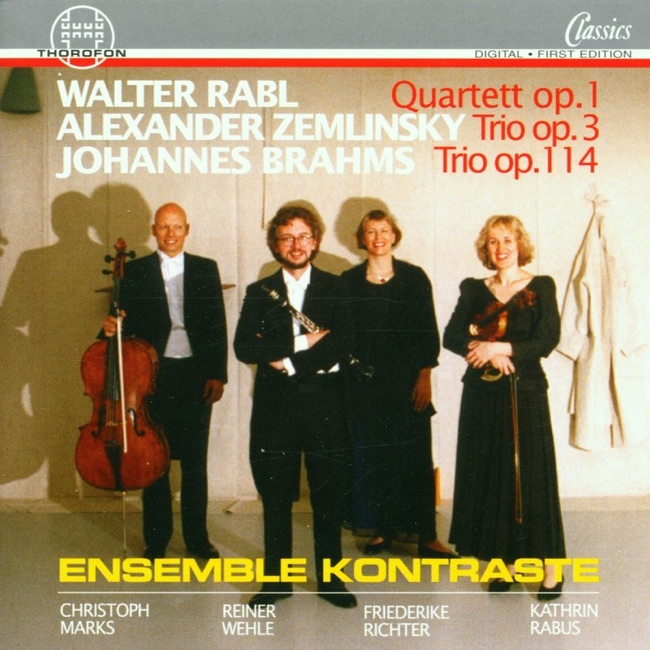
 October 14, 2014
Artist Info
Role:ComposerBirth:November 30, 1873Death:July 11, 1940Period:RomanticGenre:ChamberOrchestralWalter Rabl was a classical music composer born on July 30, 1873, in Vienna, Austria. He was the son of a prominent physician, and his family was well-educated and cultured. From a young age, Rabl showed a great interest in music, and his parents encouraged him to pursue his passion. Rabl began his musical education at the Vienna Conservatory, where he studied composition with Robert Fuchs and piano with Anton Door. He was a talented student and quickly gained recognition for his musical abilities. In 1893, he graduated from the conservatory with honors and began his career as a composer. Rabl's early works were heavily influenced by the Romantic style of music that was popular at the time. He wrote several pieces for piano, including a set of variations on a theme by Schumann and a sonata in A minor. He also composed a number of chamber music pieces, including a string quartet and a piano trio. In 1897, Rabl married the pianist and composer Alma Maria Rosegger. The couple had two children, a son named Walter and a daughter named Alma. Rabl's wife was a great influence on his music, and he often dedicated his compositions to her. In 1900, Rabl's career took a major turn when he was appointed as the conductor of the Vienna Tonkünstler Orchestra. This was a prestigious position, and it gave Rabl the opportunity to work with some of the most talented musicians of his time. He remained with the orchestra for several years, during which time he continued to compose and conduct. Rabl's music began to evolve during this period, and he began to incorporate more modern elements into his compositions. He was particularly interested in the music of Richard Strauss and Gustav Mahler, and he began to experiment with new harmonies and textures in his own work. One of Rabl's most famous works is his Serenade for Orchestra, which he composed in 1903. This piece is a beautiful example of Rabl's Romantic style, with lush harmonies and soaring melodies. It was well-received by audiences and critics alike, and it remains one of his most popular works to this day. In 1905, Rabl resigned from his position with the Vienna Tonkünstler Orchestra and moved to Munich, where he continued to compose and conduct. He became involved with the Munich School, a group of composers who were experimenting with new forms and techniques in music. Rabl's music continued to evolve during this period, and he began to incorporate more modern elements into his compositions. He was particularly interested in the music of Arnold Schoenberg and the Second Viennese School, and he began to experiment with atonal and twelve-tone techniques in his own work. Despite his interest in modern music, Rabl remained committed to the Romantic style that had first inspired him. He continued to write beautiful, lyrical pieces that were full of emotion and passion. Some of his most famous works from this period include his String Quartet No. 2 and his Piano Quintet. In 1914, Rabl's life was tragically cut short when he died of a heart attack at the age of 41. He left behind a legacy of beautiful music that continues to be celebrated and performed today. His compositions are a testament to his talent and his love of music, and they remain an important part of the classical music canon.More....
Recent Artist Music
Copyright Ⓒ 2013 Davinci Finger. All rights reseved
Service Terms & Policy