


Eduard Tubin
Released Album
Symphony
-
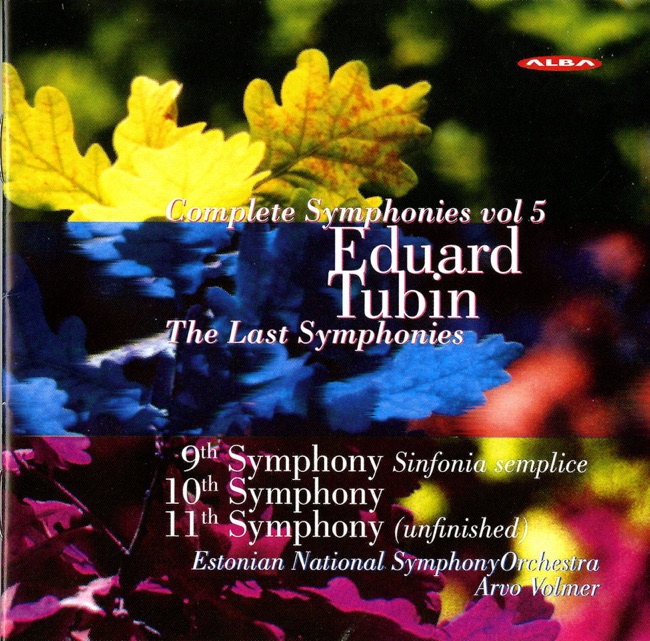
 September 28, 2004
 -
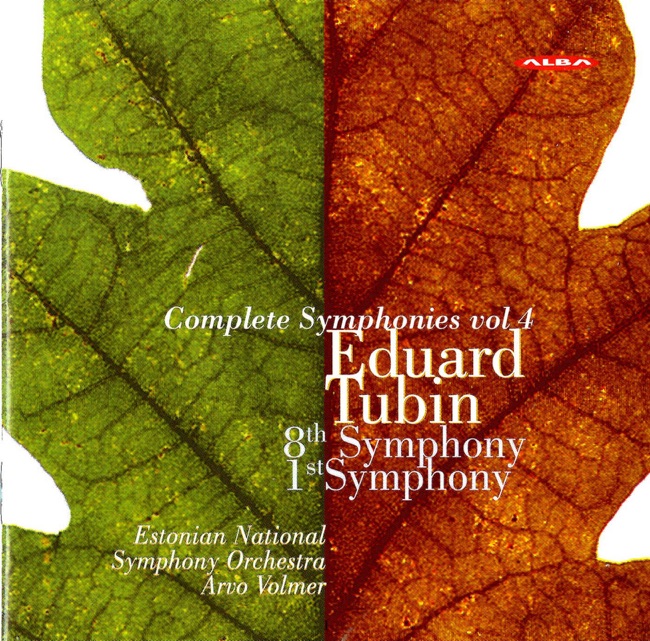
 February 24, 2004
 -
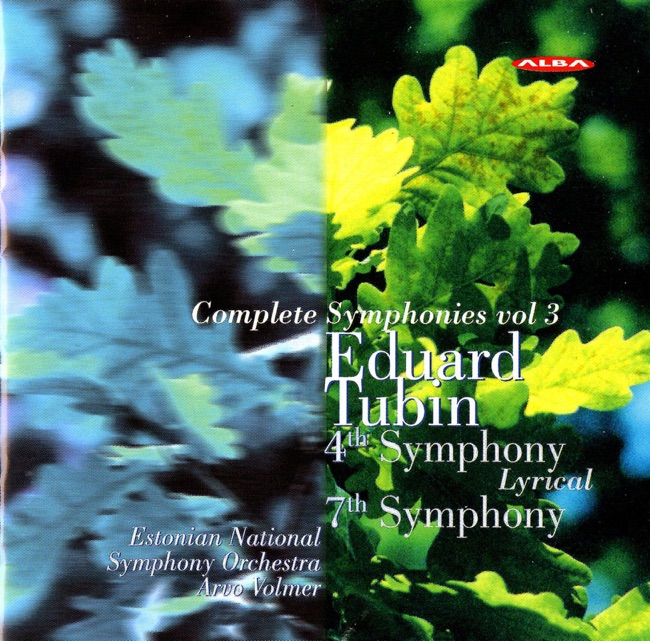
 September 30, 2003
 -
 February 25, 2003
 -
 January 21, 2003
 -
 August 27, 2002
Chamber
-
 September 30, 2016
 -
-
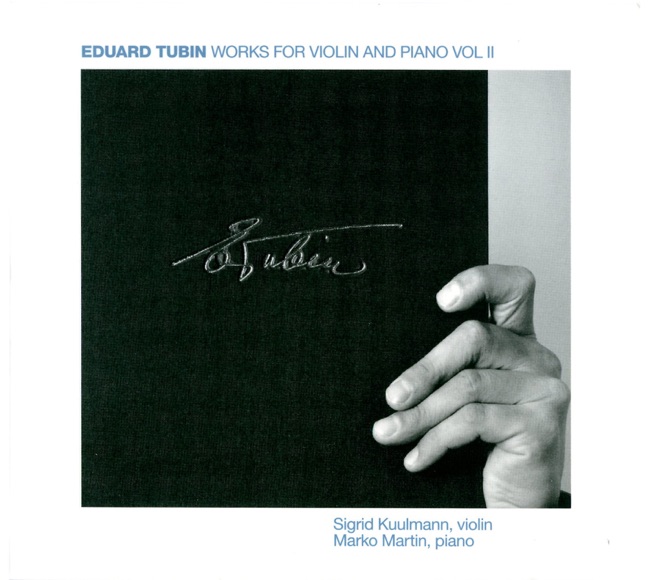 April 30, 2013
 -
 January 31, 2012
 -
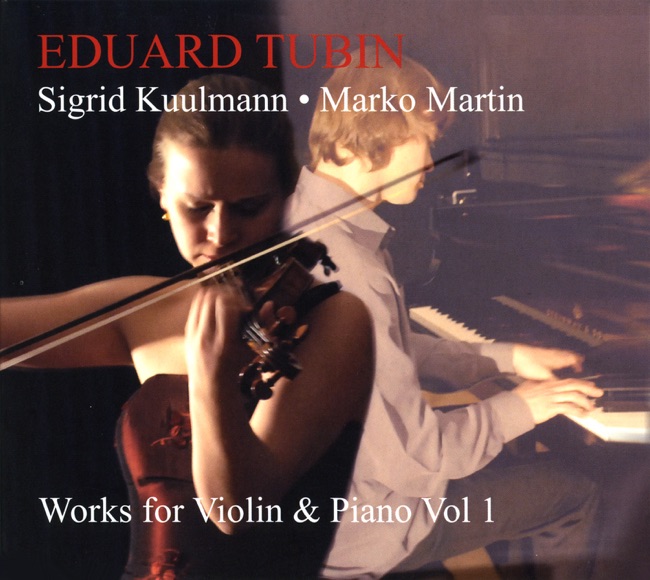 June 17, 2010
 -
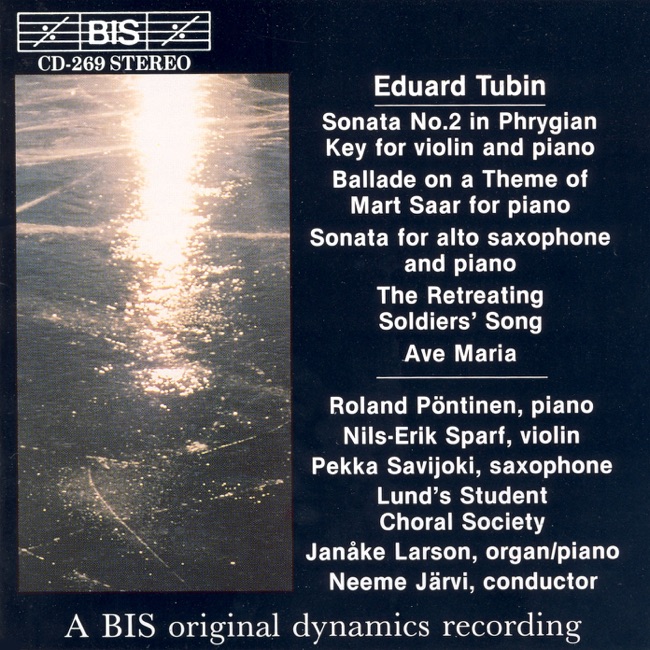
Orchestral
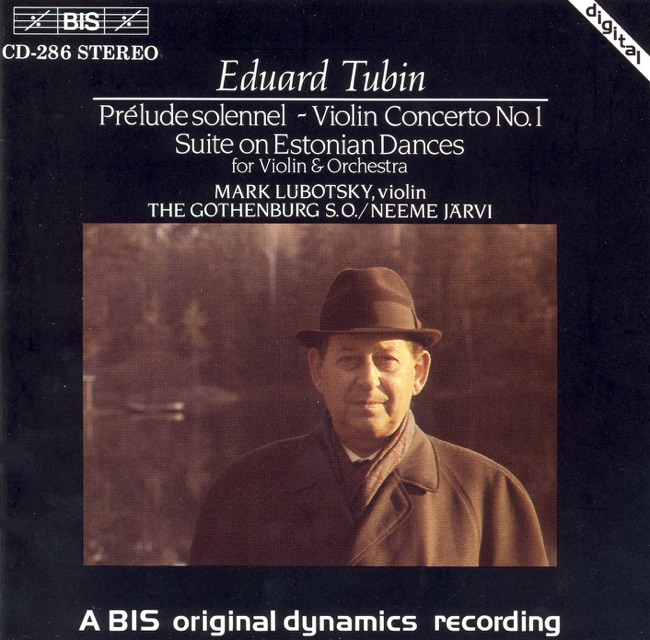
Concerto
-
 July 2, 2021
 -
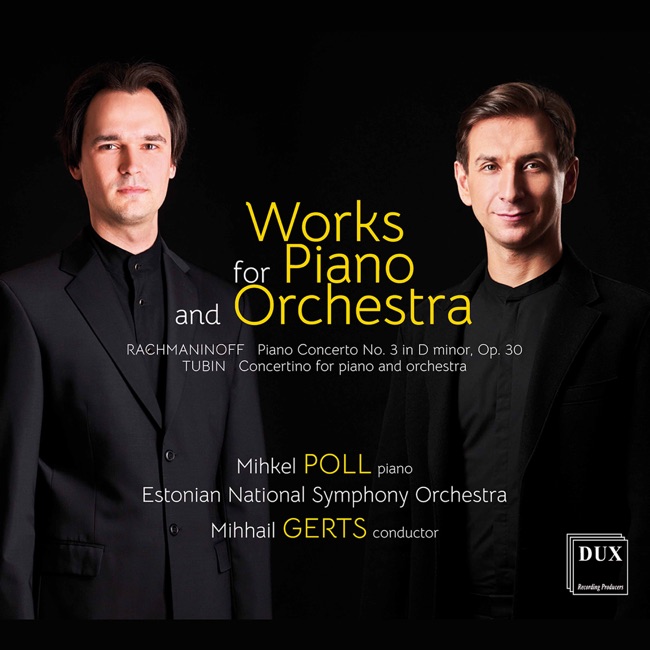 February 5, 2021
 -
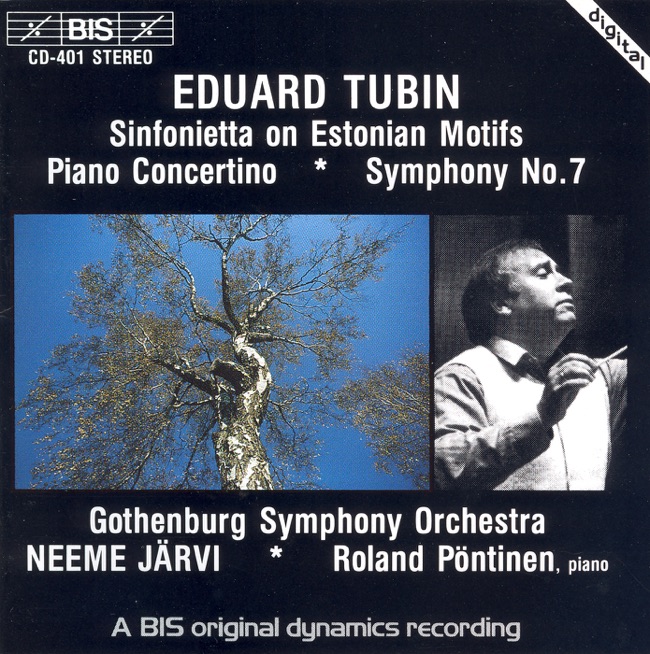
-
Artist Info
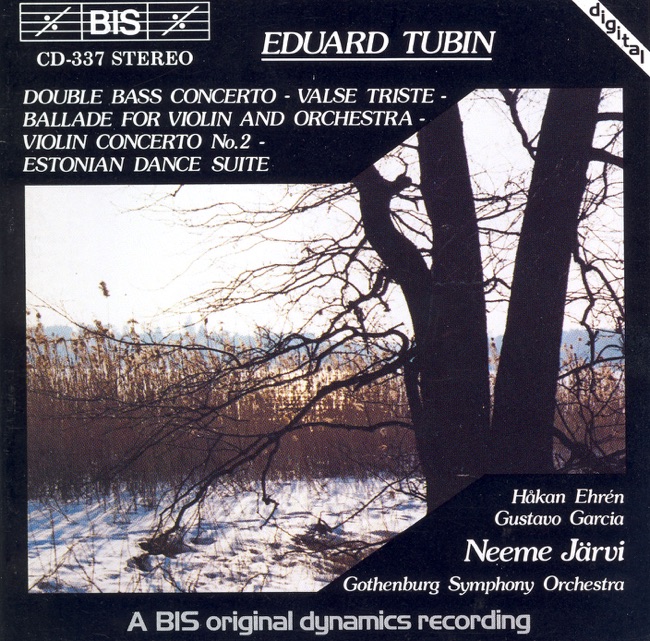
Role:ComposerCountry: SwedenBirth:June 18, 1905 in Kallaste, EstoniaDeath:November 17, 1982 in Stockholm, SwedenPeriod:ContemporaryModernGenre:ChamberKeyboardSymphonyEduard Tubin was a classical music composer born on June 18, 1905, in Torila, Estonia. He was the youngest of thirteen children in a family of farmers. His father was a self-taught musician who played the accordion and the violin, and his mother was a singer. Tubin's parents recognized his musical talent at an early age and encouraged him to pursue music. Tubin began his musical education at the age of ten when he started taking violin lessons. He later studied at the Tartu Music School and the Tallinn Conservatory, where he studied composition with Heino Eller. In 1929, Tubin moved to Stockholm, Sweden, where he continued his studies at the Royal College of Music. Tubin's early works were influenced by Estonian folk music and the music of Jean Sibelius. His first symphony, completed in 1930, was well-received and established him as a promising young composer. However, Tubin's career was interrupted by World War II. He was conscripted into the Estonian army and fought on the Eastern Front. After the war, Tubin was forced to flee Estonia due to the Soviet occupation and settled in Sweden. In Sweden, Tubin continued to compose and became a Swedish citizen in 1952. He was a prolific composer, writing over 100 works, including ten symphonies, six string quartets, and numerous other orchestral and chamber works. Tubin's music is characterized by its emotional intensity, lyrical melodies, and use of Estonian folk music. Tubin's most famous work is his Symphony No. 5, also known as the "Estonian Symphony." The symphony was written in 1946 and is dedicated to the Estonian people. It is a powerful and emotional work that reflects the suffering and resilience of the Estonian people during World War II and the Soviet occupation. The symphony has become a symbol of Estonian national identity and is often performed at national events. Another notable work by Tubin is his Symphony No. 6, also known as the "Väinö Linna Symphony." The symphony was written in 1957 and is dedicated to the Finnish author Väinö Linna. The work is inspired by Linna's novel "The Unknown Soldier," which depicts the experiences of Finnish soldiers during World War II. The symphony is a powerful and emotional work that reflects the horrors of war and the resilience of the human spirit. Tubin's music has been performed by many of the world's leading orchestras, including the Berlin Philharmonic, the London Symphony Orchestra, and the New York Philharmonic. He received numerous awards and honors during his lifetime, including the Order of the White Star from the Estonian government and the Litteris et Artibus medal from the Swedish government. Tubin died on November 17, 1982, in Stockholm, Sweden. His legacy as one of Estonia's greatest composers continues to be celebrated today.More....
Recent Artist Music
3
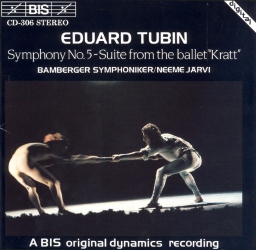
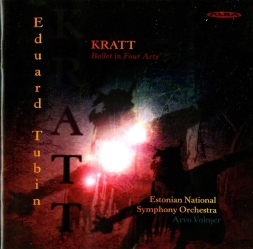
Kratt, ballet
1 Interlude 2. Dance of the Exorcists 3. The Goat 4. The Cock 5. Dance of the Northern Light
12:4
4
18:30
7
5:37
Copyright Ⓒ 2013 Davinci Finger. All rights reseved
Service Terms & Policy