


Karl Eliasberg
Released Album
Concerto
-
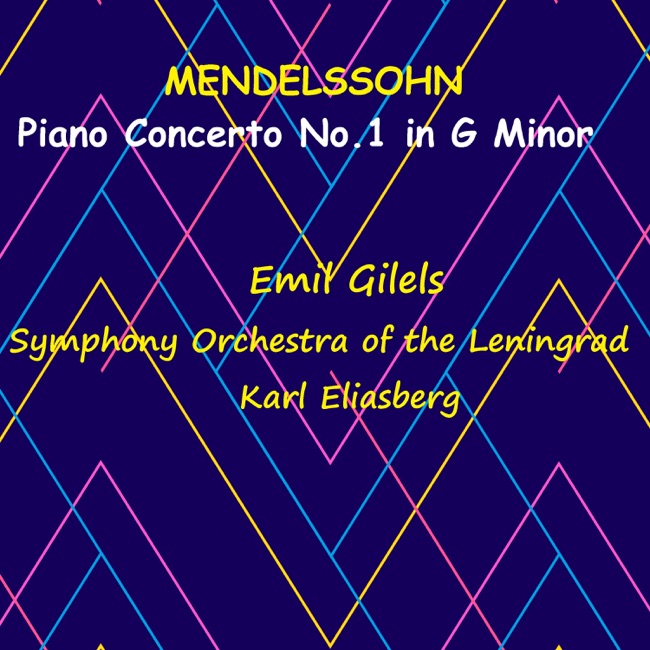 October 19, 2021
 -
 January 1, 2016
 -
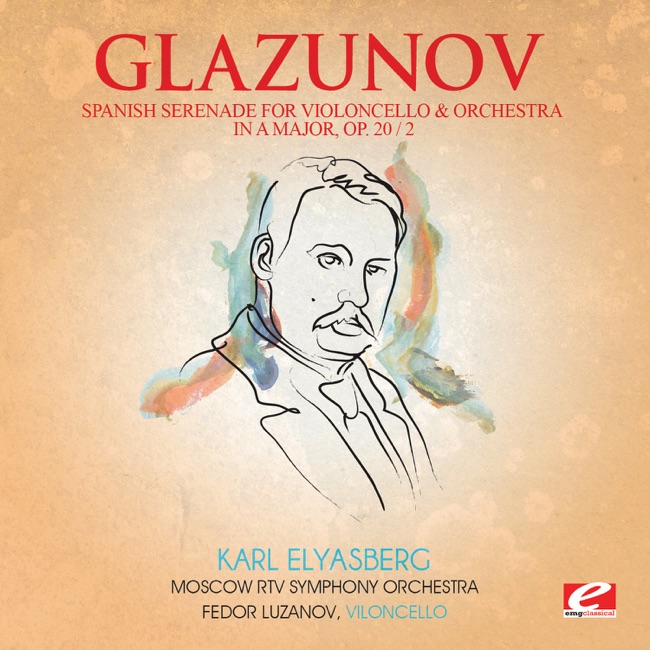
-
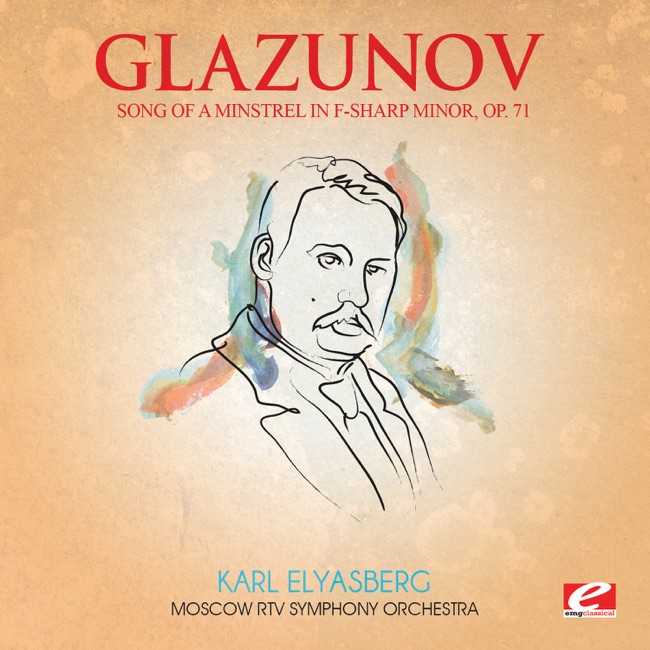
-
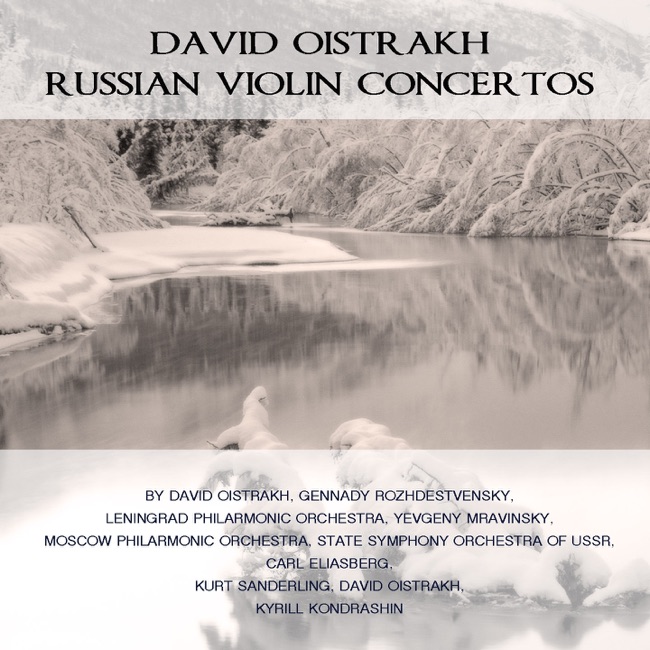 October 12, 2012
 -
Symphony
-
 November 13, 2023
 -
 June 16, 2015
 -
 September 24, 2013
 -
 June 1, 2013
 -
 January 27, 2010
 -
Chamber
-

-
 January 1, 2016
 -
-
 January 1, 1971
 -
-
Orchestral
-
 March 18, 2008
Artist Info
Role:Conductor PerformerPeriod:RomanticGenre:ChamberConcertoKarl Eliasberg was a renowned classical music artist who was born on June 10, 1907, in the city of St. Petersburg, Russia. He was the son of a music teacher and grew up in a family that was deeply involved in music. From a young age, Eliasberg showed a keen interest in music and began studying the piano and violin. He also showed a natural talent for conducting and began to pursue this passion in his teenage years. Eliasberg's early career was marked by a series of successes and achievements. In 1929, he graduated from the Leningrad Conservatory with a degree in conducting. He then went on to work as an assistant conductor at the Leningrad Philharmonic Orchestra, where he quickly gained a reputation for his skill and talent. In 1933, he was appointed as the principal conductor of the Leningrad Radio Symphony Orchestra, a position he held for over a decade. During this time, Eliasberg became known for his innovative and dynamic approach to conducting. He was particularly interested in exploring the possibilities of new music and was a strong advocate for contemporary composers. He also had a deep love for the classics and was known for his powerful interpretations of works by Beethoven, Mozart, and Tchaikovsky. One of the highlights of Eliasberg's career came in 1942, during the height of World War II. At this time, the city of Leningrad was under siege by German forces, and the people of the city were suffering from starvation and deprivation. Despite these difficult circumstances, Eliasberg and his orchestra continued to perform, providing a source of hope and inspiration for the people of Leningrad. In August of that year, Eliasberg was asked to conduct a performance of Shostakovich's Seventh Symphony, which had been written as a tribute to the people of Leningrad. The performance was to be broadcast live across the city, and it was hoped that it would provide a much-needed morale boost for the people of Leningrad. The performance was a resounding success, with thousands of people tuning in to listen. The music was so powerful that it could be heard by German soldiers stationed outside the city, who were reportedly moved to tears by the performance. The concert became known as the "Leningrad Symphony," and it remains one of the most iconic performances in the history of classical music. Following the success of the Leningrad Symphony, Eliasberg continued to conduct and perform throughout the Soviet Union. He was appointed as the principal conductor of the Moscow Philharmonic Orchestra in 1950, a position he held for over a decade. During this time, he continued to champion new music and was a strong advocate for the works of Soviet composers such as Shostakovich and Prokofiev. Eliasberg's career was marked by numerous awards and accolades. He was awarded the title of People's Artist of the USSR in 1956, and he received the Lenin Prize in 1960 for his contributions to Soviet culture. He was also awarded the Order of Lenin, the highest civilian honor in the Soviet Union. Despite his many achievements, Eliasberg remained humble and dedicated to his craft. He continued to conduct and perform well into his later years, and he remained a beloved figure in the world of classical music until his death in 1978. In conclusion, Karl Eliasberg was a remarkable classical music artist who made a significant contribution to the world of music.More....
Recent Artist Music
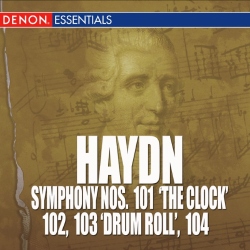
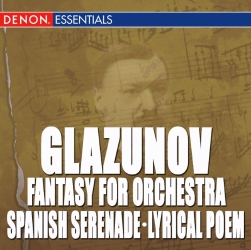
4
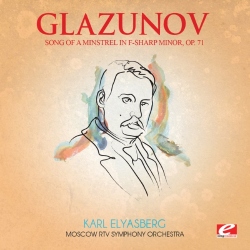
5:14
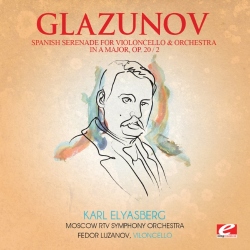
8
2:4
9
8:54
Copyright Ⓒ 2013 Davinci Finger. All rights reseved
Service Terms & Policy