


Georg Muffat
Released Album
Keyboard
-
 June 16, 2023
 -
 January 31, 2023
 -
 October 21, 2022
 -
 June 10, 2022
 -
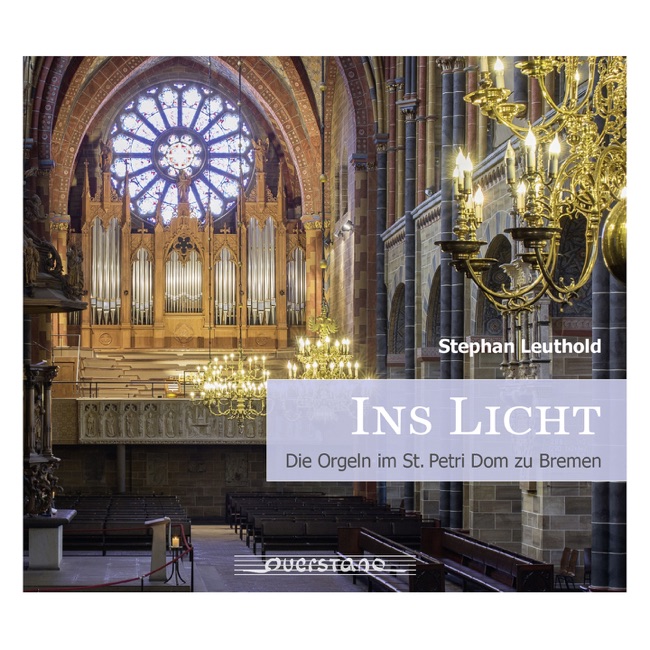 November 17, 2021
 -
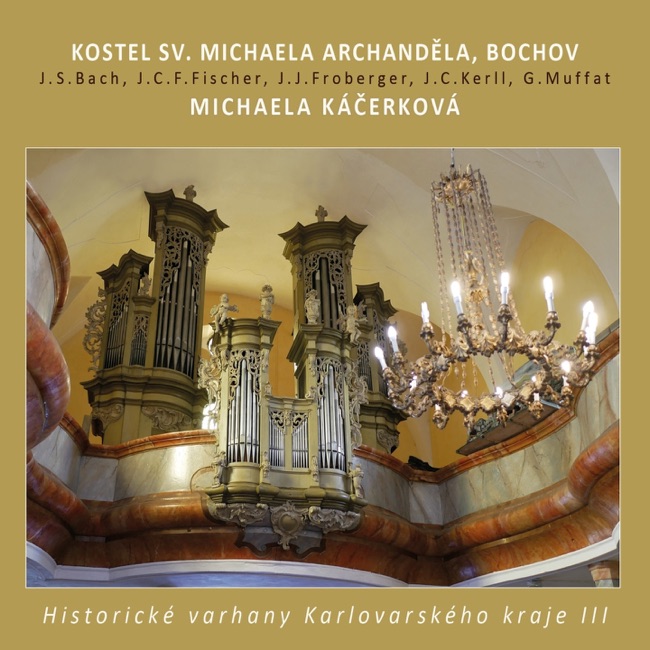 October 23, 2021
Orchestral
-
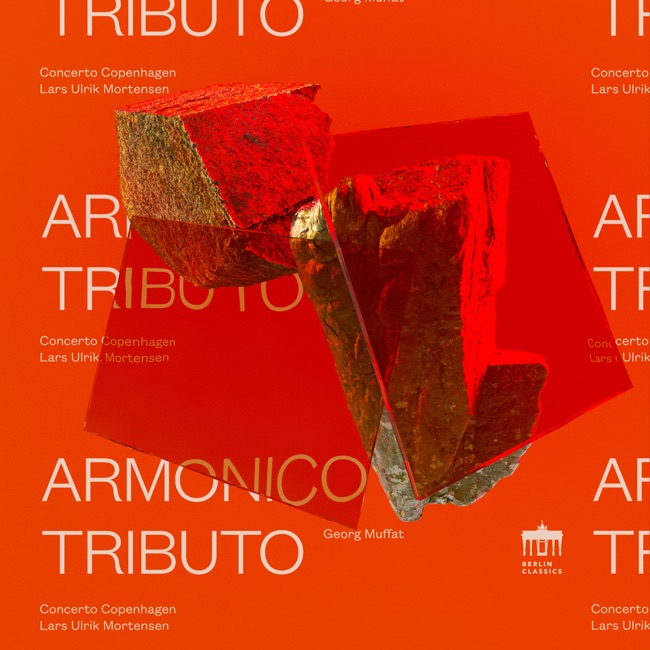 March 18, 2022
 -
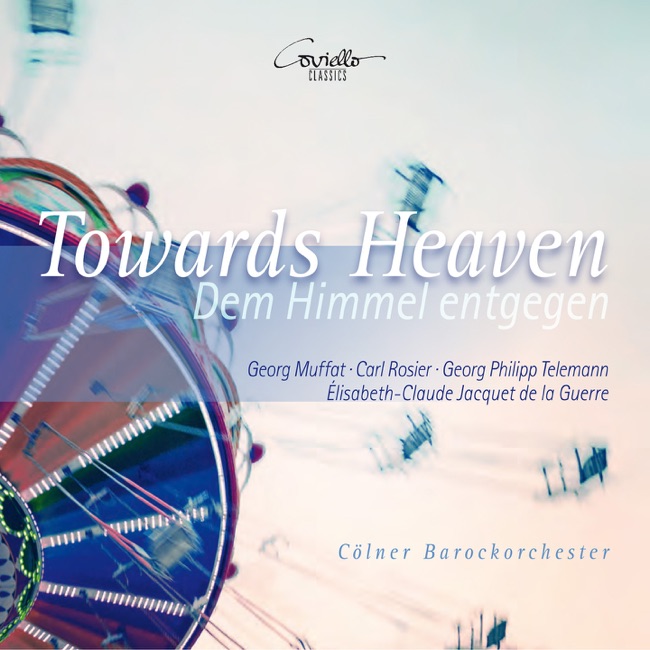 May 27, 2016
 -
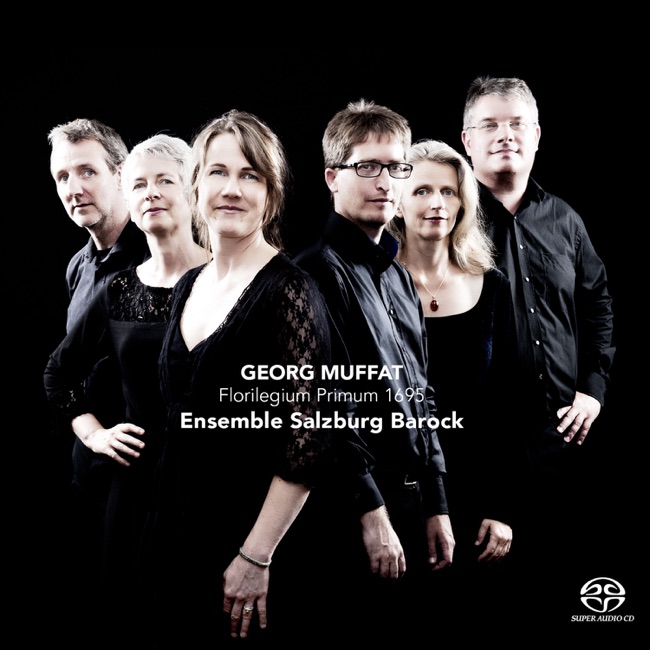 January 8, 2016
 -
 July 10, 2015
 -
 January 27, 2015
 -
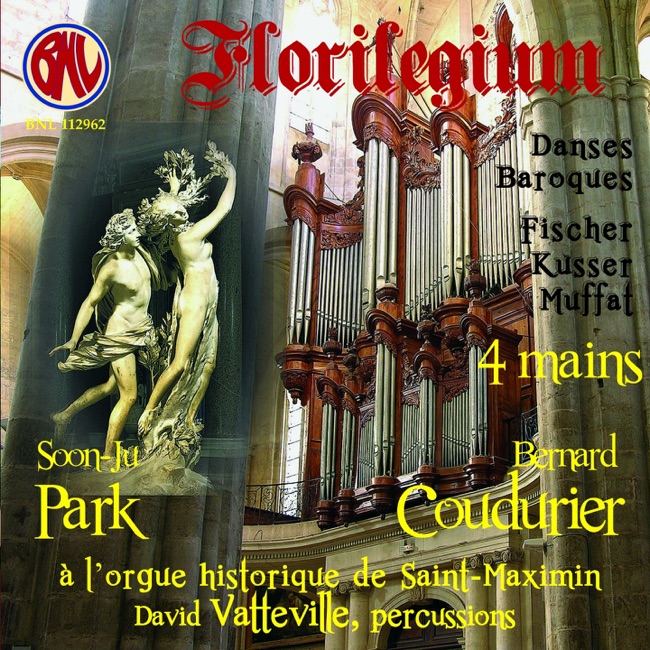 August 6, 2012
Chamber
-
 November 12, 2021
 -
 July, 2015
 -
 February 8, 2011
 -
 January 25, 2011
 -
 August 14, 2010
 -
 June 2, 2010
Concerto
-
 October 3, 2011
 -
 August 10, 1999
 -
 October 1, 1998
Artist Info
Role:ComposerCountry: GermanyBirth:June 1, 1653 in Mégève, Savoy, FranceDeath:February 23, 1704 in Passau, GermanyPeriod:BaroqueGenre:ConcertoKeyboardOrchestralGeorg Muffat was a Baroque composer and musician who was born on June 1, 1653, in Megève, Savoy, which is now part of France. He was the son of a court musician and grew up in a musical family. His father, Johann Heinrich Muffat, was a court musician in the service of the Archbishop of Salzburg, and his mother, Maria Pauernfeind, was a singer. Muffat began his musical education at a young age, studying with his father and other musicians in Salzburg. He showed great talent and was soon recognized as a prodigy. In 1663, at the age of ten, he was sent to study with the famous composer and organist Johann Kaspar Kerll in Vienna. He continued his studies with Kerll for several years, learning composition, organ playing, and other musical skills. In 1670, Muffat traveled to Rome, where he studied with the famous composer and violinist Arcangelo Corelli. He also studied with other prominent musicians in Rome, including Bernardo Pasquini and Alessandro Scarlatti. During his time in Rome, Muffat became familiar with the latest trends in Italian music, which would have a significant influence on his own compositions. After leaving Rome, Muffat traveled to Paris, where he worked as a court musician for the Duke of Orleans. He also studied with the French composer Jean-Baptiste Lully, who was the leading composer of French opera at the time. Muffat learned the French style of music and incorporated it into his own compositions. In 1680, Muffat returned to Salzburg, where he worked as a court musician for the Archbishop of Salzburg. He composed music for the court and also taught music to the archbishop's children. During this time, he wrote his most famous work, the "Armonico Tributo," a collection of orchestral suites that combined elements of Italian, French, and German music. In 1690, Muffat moved to Passau, where he worked as a court musician for the Bishop of Passau. He continued to compose music and also taught music to the bishop's children. During this time, he wrote his "Florilegium Primum," a collection of chamber music that included sonatas, suites, and other pieces. Muffat's music was highly regarded during his lifetime, and he was considered one of the leading composers of his time. His music was known for its elegance, sophistication, and technical skill. He was also known for his ability to combine different musical styles and create a unique sound that was all his own. Muffat died on February 23, 1704, in Passau, Germany. He left behind a legacy of music that continues to be admired and studied today. His compositions have been performed and recorded by many musicians and orchestras around the world, and his influence can be heard in the music of later composers such as Johann Sebastian Bach. Some of Muffat's most famous works include the "Armonico Tributo," the "Florilegium Primum," and the "Componimenti Musicali." The "Armonico Tributo" is a collection of orchestral suites that was published in 1682. It consists of five suites, each of which is dedicated to a different European monarch. The suites combine elements of Italian, French, and German music and showcase Muffat's ability to blend different musical styles. The "Florilegium Primum" is a collection of chamber music that was published in 1695. It includes sonatas, suites, and other pieces for various instruments, including violin, cello, and harpsichord. The music is characterized by its elegance and sophistication, and it showcases Muffat's skill as a composer.More....
Recent Artist Music
1
3:23
2
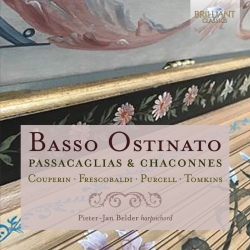
Passacaglia for organ in Gmino
Passacaglia in G minor (from Apparatus musicoorganisticus, 1690)
6:57

10
1:32
12
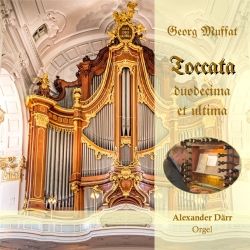
Toccata for organ No. 12
Toccata fuodecima et ultima for organ solo (from the Apparatus musico-organisticus)
7:25
Recommend Playlist










Related Artists
Copyright Ⓒ 2013 Davinci Finger. All rights reseved
Service Terms & Policy