


György Ligeti
Released Album
Chamber
-
 March 22, 2024
 -
 June 30, 2023
 -
-
 May 19, 2023
 -
 March 31, 2023
 -
 March 18, 2023
Keyboard
-
 October 11, 2024
 -
-

-
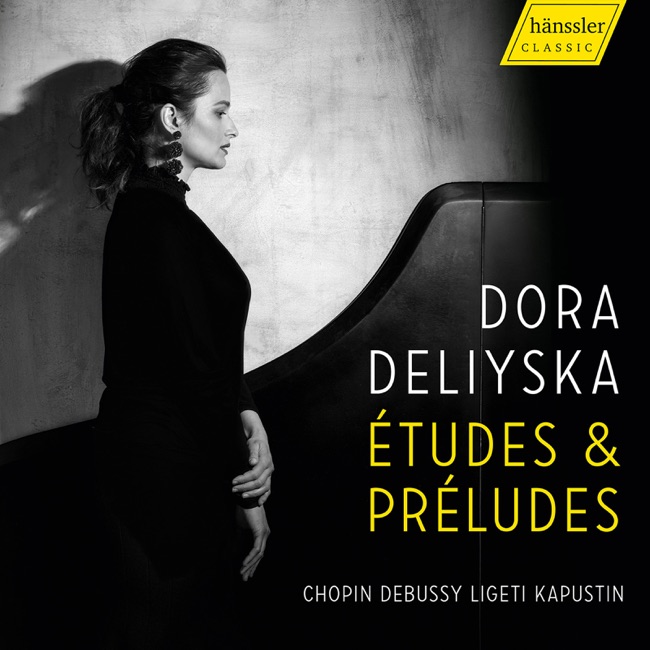 February 3, 2023
 -
 January 20, 2023
 -
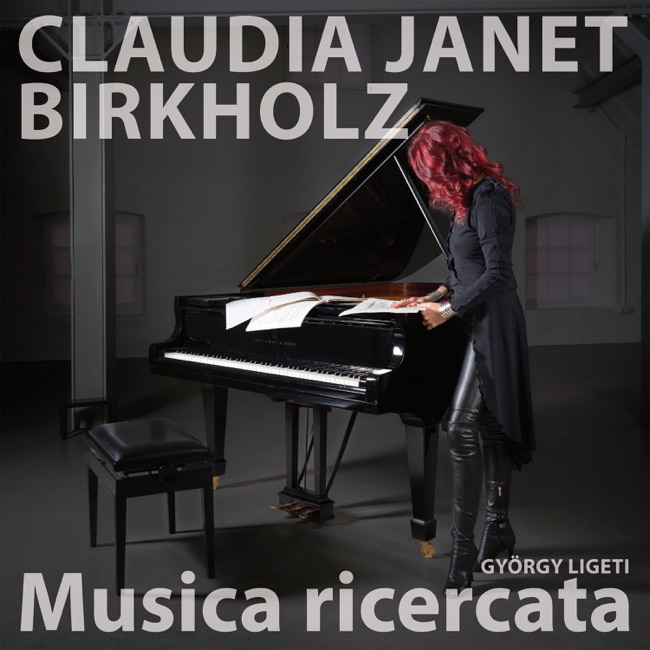 January 17, 2023
Choral
-
 September 15, 2023
 -
 March 10, 2023
 -
-
 October 8, 2021
 -
 January 1, 2019
 -
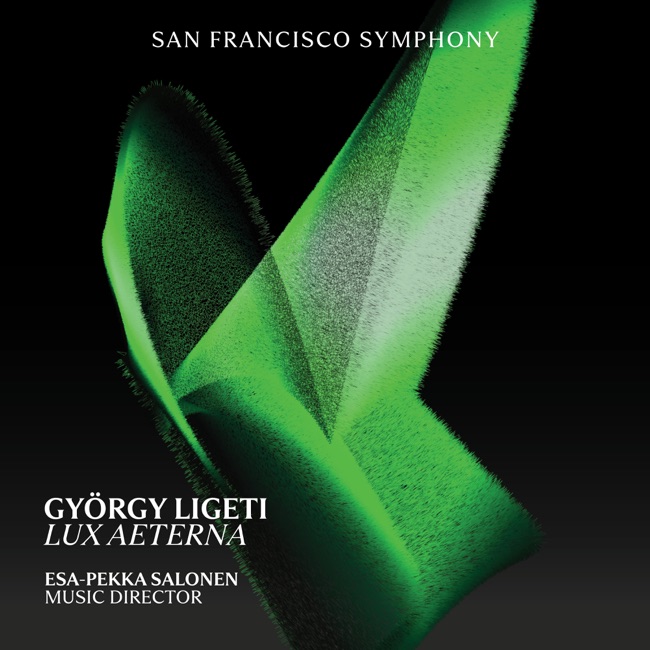 January 1, 2019
Orchestral
-
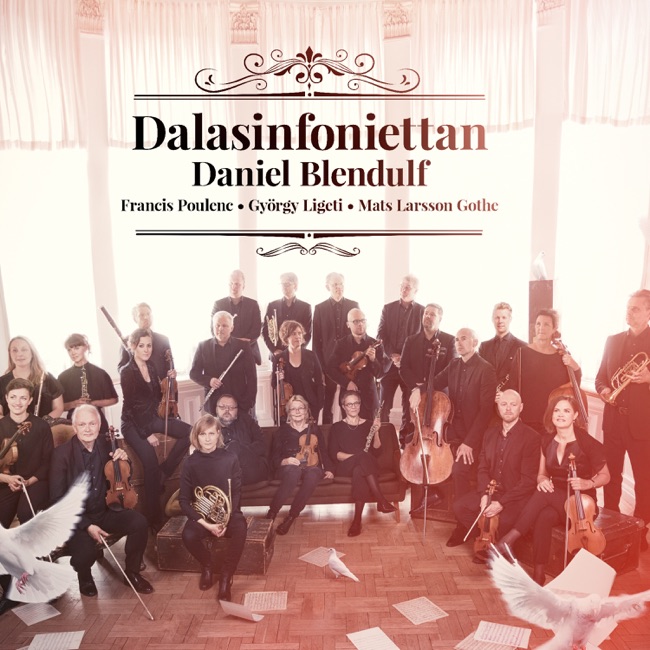 September 20, 2019
 -
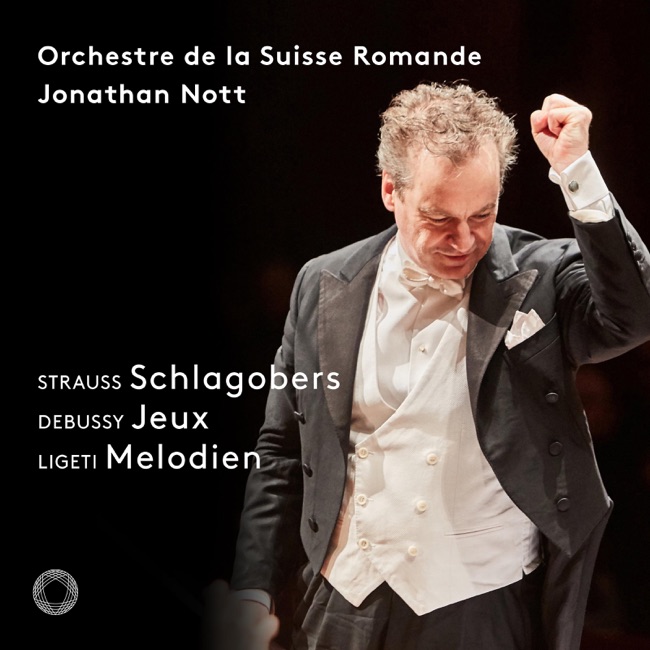 September 21, 2018
 -
 May 21, 2018
 -
-
 November 5, 2012
Artist Info
Role:Composer Conductor PerformerCountry: HungaryBirth:May 28, 1923 in Discöszentmáton, TransylvaniaDeath:June 12, 2006 in Vienna, AustriaPeriod:ContemporaryGenre:ChamberChoralKeyboardGyörgy Ligeti was a Hungarian composer who was born on May 28, 1923, in Transylvania, Romania. He was the son of a Jewish family, and his father was a bank manager. Ligeti showed an early interest in music and began playing the piano at the age of six. He later studied at the Franz Liszt Academy of Music in Budapest, where he was taught by some of the most prominent composers of the time, including Zoltán Kodály and Béla Bartók. During World War II, Ligeti was forced to flee Hungary due to his Jewish heritage. He spent several years in hiding before eventually settling in Vienna, where he continued his studies at the Music Academy. It was during this time that he began to develop his own unique style of composition, which was heavily influenced by the avant-garde movements of the time, such as serialism and musique concrète. Ligeti's early works were characterized by their complex rhythms and unconventional use of instrumentation. One of his most famous early works is the "Apparitions" for orchestra, which was composed in 1958. This piece features a dense, dissonant texture and a constantly shifting rhythmic structure, which creates a sense of unease and tension. In the 1960s, Ligeti began to experiment with electronic music, and he created several works that combined electronic and acoustic elements. One of his most famous works from this period is the "Poème Symphonique" for 100 metronomes, which was composed in 1962. This piece features 100 metronomes that are set to different tempos, creating a chaotic and unpredictable sound. Ligeti's most famous work is perhaps his "Requiem" for soprano, mezzo-soprano, two mixed choirs, and orchestra, which was composed in 1965. This piece is notable for its use of micropolyphony, a technique that involves layering multiple lines of music on top of each other to create a dense, shimmering texture. The "Requiem" has been described as a haunting and otherworldly work that explores themes of death and transcendence. In the 1970s, Ligeti began to incorporate elements of folk music into his compositions, and he created several works that were inspired by the music of his native Hungary. One of his most famous works from this period is the "Hungarian Rock" for harpsichord, which was composed in 1978. This piece features a driving, rhythmic pulse that is reminiscent of traditional Hungarian folk music. Ligeti continued to compose throughout the 1980s and 1990s, and he remained an influential figure in the world of contemporary classical music until his death in 2006. His later works were characterized by a more minimalist approach, with a focus on simple, repetitive patterns and textures. Overall, György Ligeti was a highly innovative and influential composer who pushed the boundaries of classical music throughout his career. His works are characterized by their complex rhythms, unconventional instrumentation, and use of avant-garde techniques. Despite the challenges he faced throughout his life, Ligeti remained dedicated to his craft and left behind a rich legacy of music that continues to inspire and challenge musicians and audiences alike.More....
Recent Artist Music
7
2:5

9
3:20
13

3:39
14
2:26
Works Highlight










Related Artists
Copyright Ⓒ 2013 Davinci Finger. All rights reseved
Service Terms & Policy