György Ligeti
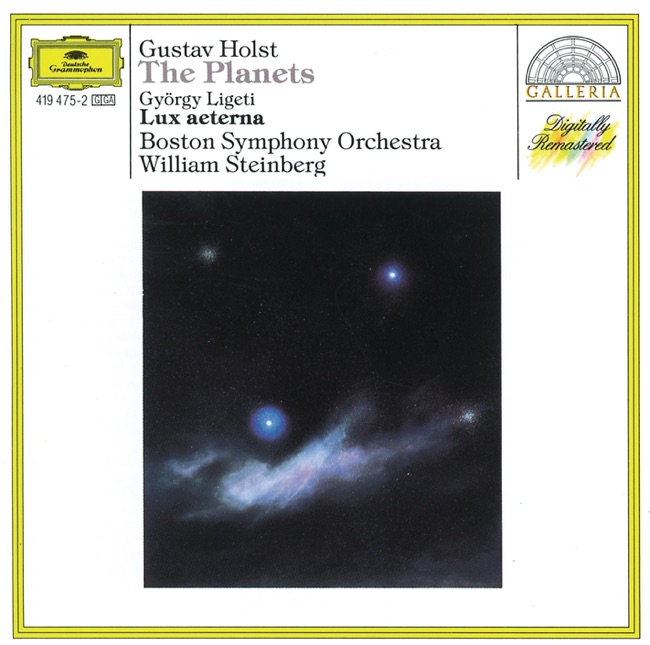
Lux aeterna
Released Album
Recent Album
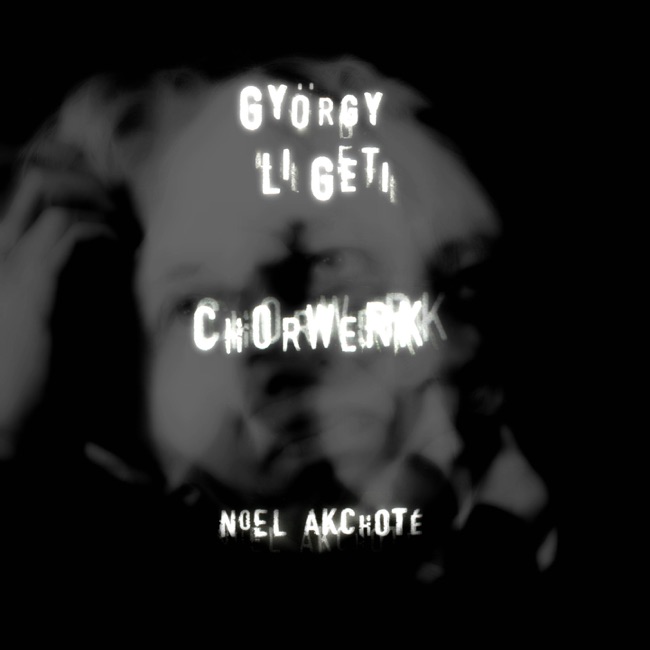
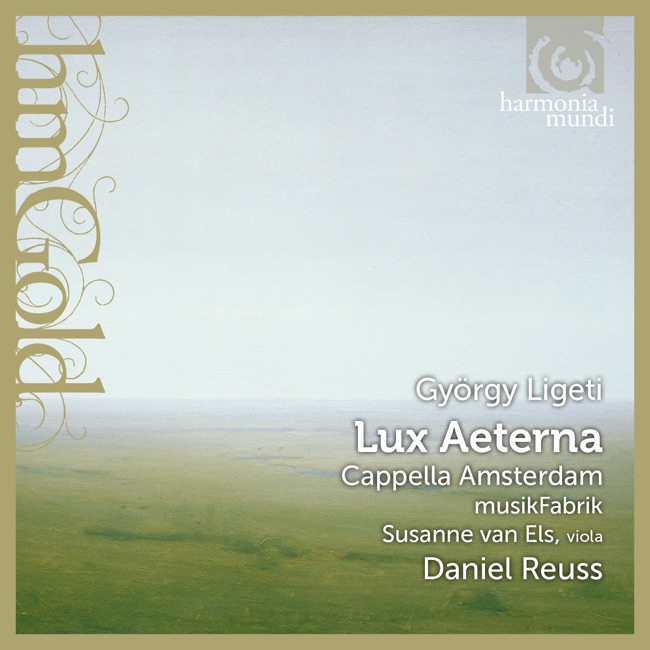
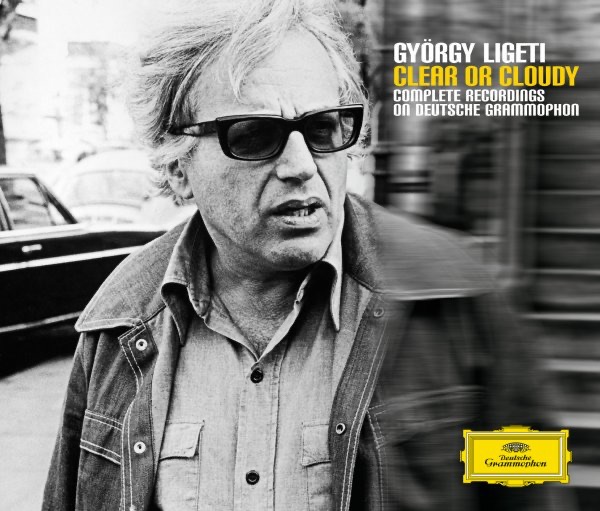

Featured Album
Works Info
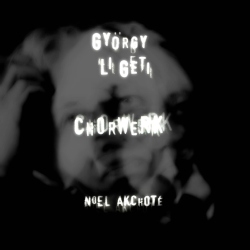
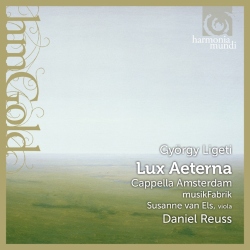
Composer:György LigetiGenre:ChoralStyle:ChorusCompose Date:1966Average_duration:8:27Lux aeterna is a choral work composed by György Ligeti in 1966. It premiered on June 14, 1968, at the Donaueschingen Festival in Germany. The piece is divided into five movements, each with its own unique characteristics. The first movement, "Introitus," begins with a single note that gradually builds into a dense cluster of sound. The choir enters with a series of sustained chords, creating a sense of tension and anticipation. The movement is characterized by its use of micropolyphony, a technique in which multiple voices sing different lines simultaneously, creating a complex and constantly shifting texture. The second movement, "Requiem," is a somber and mournful piece that features a solo soprano singing a melody over a bed of sustained chords. The choir enters with a series of dissonant chords, creating a sense of unease and tension. The movement is characterized by its use of chromaticism and dissonance, which create a sense of instability and uncertainty. The third movement, "Kyrie," is a more upbeat and energetic piece that features a series of rhythmic patterns and syncopated rhythms. The choir sings a series of short phrases that are repeated and layered on top of each other, creating a sense of momentum and forward motion. The movement is characterized by its use of complex rhythms and polyrhythms, which create a sense of excitement and energy. The fourth movement, "Dies irae," is a dark and ominous piece that features a series of low, rumbling chords and dissonant harmonies. The choir sings a series of short, staccato phrases that are punctuated by sudden bursts of sound. The movement is characterized by its use of extreme dynamics and sudden shifts in texture, which create a sense of drama and tension. The final movement, "Lacrimosa," is a slow and mournful piece that features a solo soprano singing a melody over a bed of sustained chords. The choir enters with a series of dissonant chords, creating a sense of sadness and loss. The movement is characterized by its use of chromaticism and dissonance, which create a sense of emotional intensity and depth. Overall, Lux aeterna is a complex and challenging work that showcases Ligeti's mastery of micropolyphony and his ability to create a wide range of textures and moods. The piece is characterized by its use of dissonance, chromaticism, and complex rhythms, which create a sense of tension, drama, and emotional intensity.More....