


Uuno Klami
Released Album
Orchestral
-
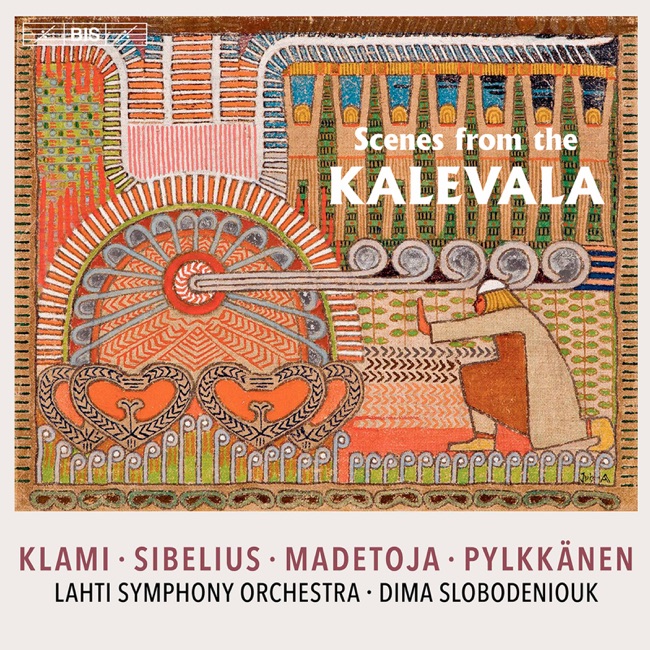 November 5, 2021
 -
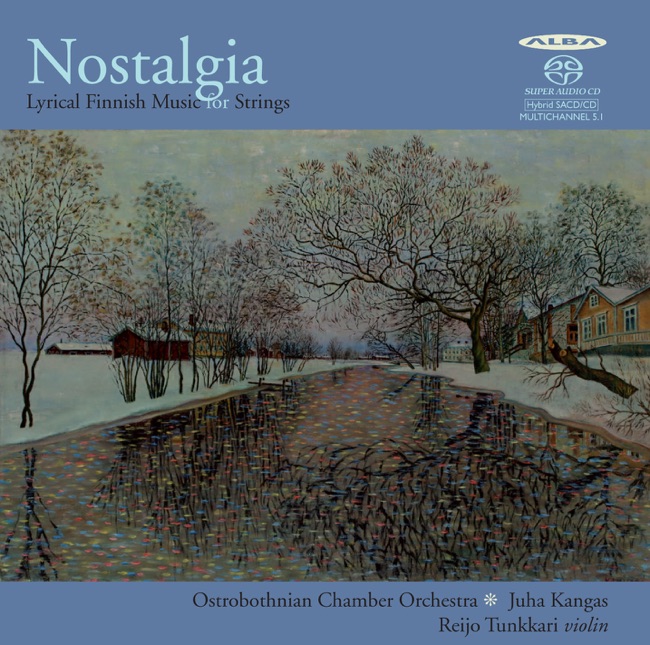 October 15, 2012
 -
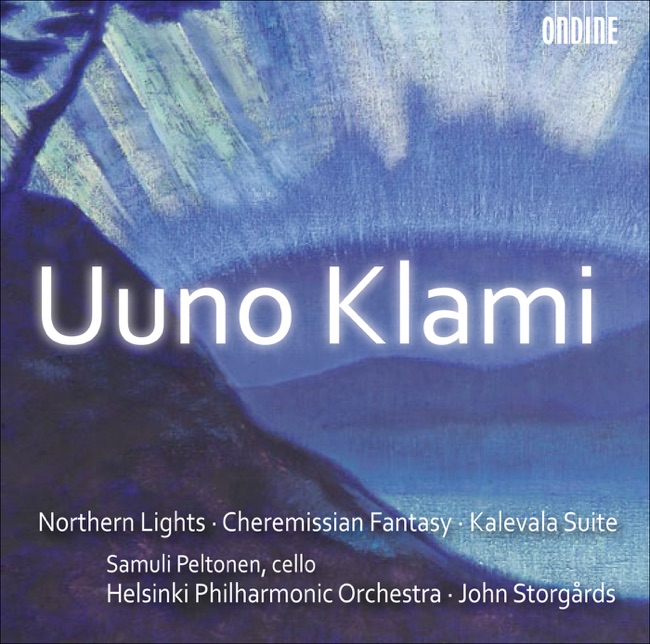 January 26, 2010
 -
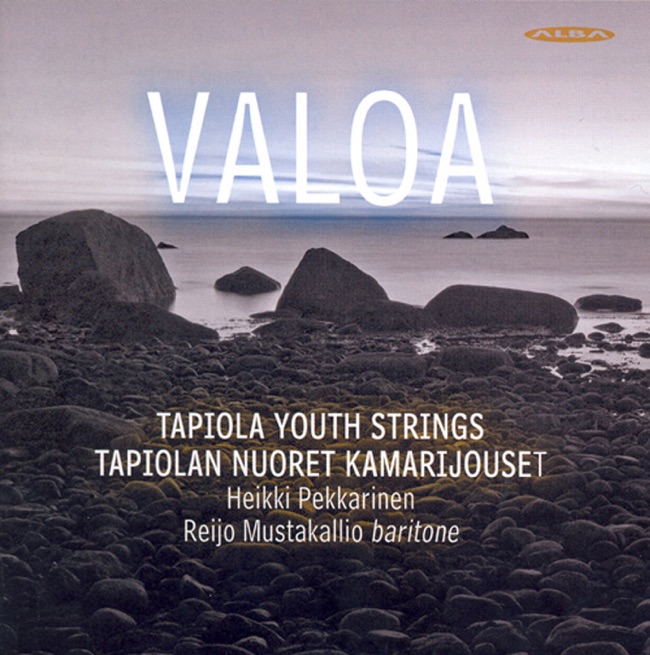 November 6, 2007
 -
 January 2, 2007
 -
 January 1, 2007
Concerto
-
 October 14, 2016
Miscellaneous
-
 January 4, 1999
 -
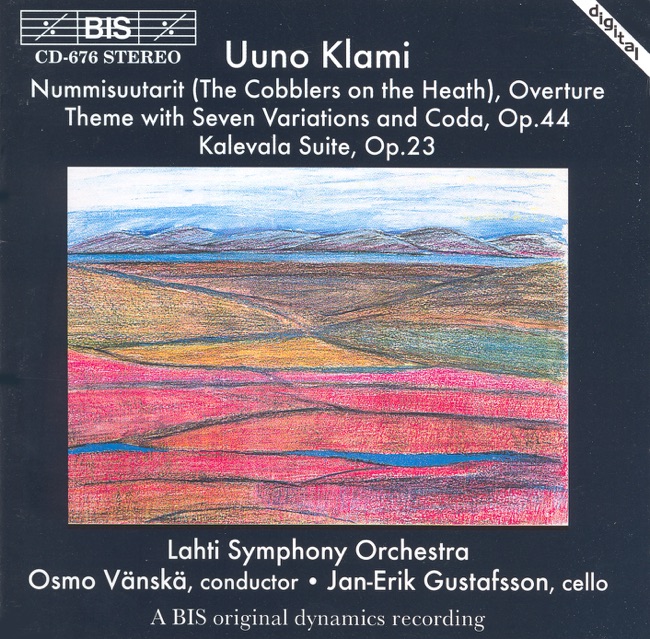 March 31, 1995
 -
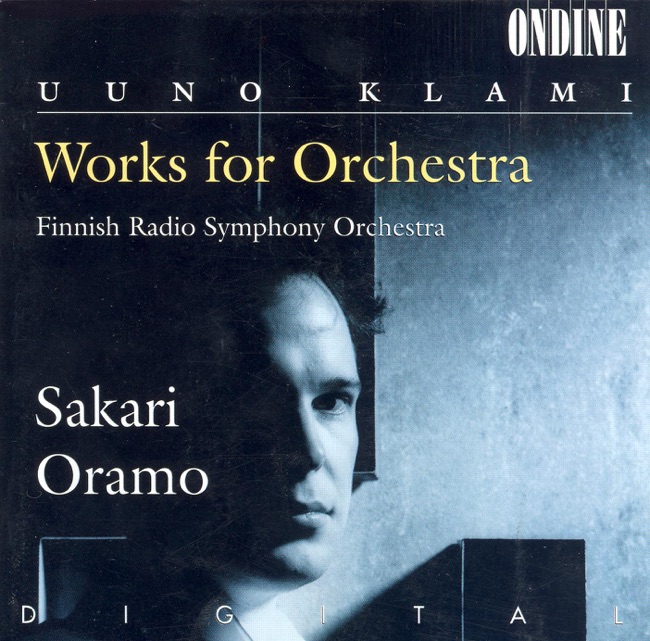 January 1, 1995
Symphony
-
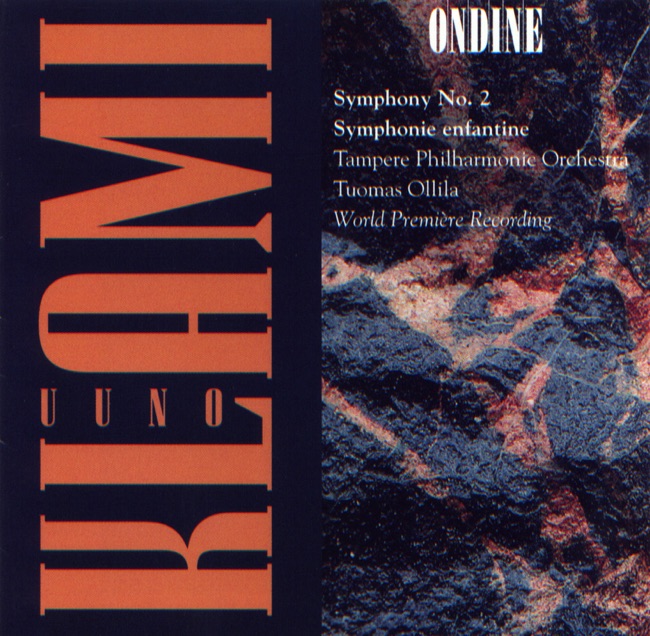 June 5, 1996
 -
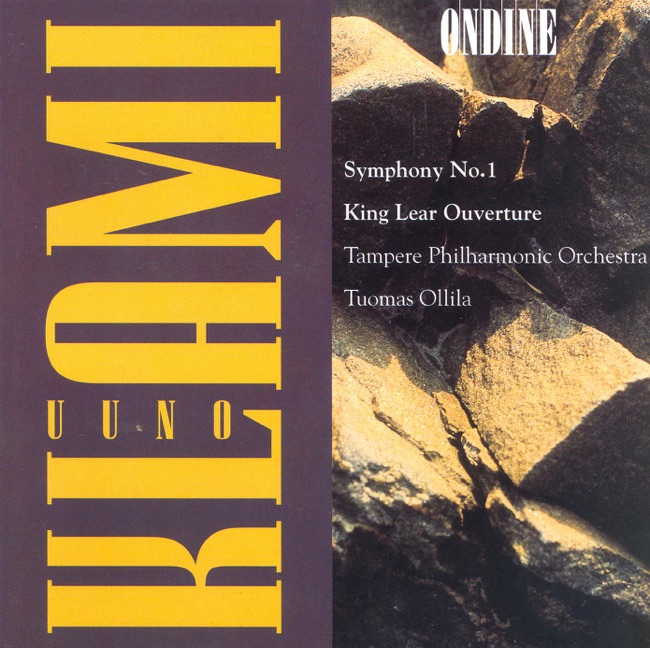 October 26, 1995
Artist Info
Role:Composer ConductorCountry: FinlandBirth:September 20, 1900 in Virolahti, FinlandDeath:May 29, 1961 in Virolahti, FinlandGenre:OrchestralSymphonyUuno Klami was a Finnish composer who was born on September 20, 1900, in Virolahti, Finland. He was the youngest of six children and grew up in a musical family. His father was a church organist, and his mother was a singer. Klami began playing the piano at a young age and showed a talent for music early on. Klami studied at the Helsinki Conservatory from 1918 to 1921, where he studied composition with Erkki Melartin. He also studied with Jean Sibelius, who was a major influence on his music. Klami's early works were influenced by the Finnish national romantic style, which was popular at the time. In 1924, Klami moved to Paris to study with Paul Dukas. He spent several years in Paris, where he was exposed to the latest trends in music, including neoclassicism and surrealism. Klami's music began to reflect these influences, and he developed a unique style that blended elements of Finnish folk music with modernist techniques. Klami's breakthrough came in 1930 with the premiere of his suite for small orchestra, Sea Pictures. The work was well-received and established Klami as one of the leading composers in Finland. He went on to compose a series of orchestral works that showcased his unique style, including the Suite for Large Orchestra (1932), the Karelian Rhapsody (1933), and the Symphony No. 1 (1934). During World War II, Klami continued to compose despite the difficult circumstances. He wrote several works that reflected the war, including the Suite for String Orchestra (1940) and the Suite for Small Orchestra (1941). After the war, Klami's music became more introspective and reflective. He wrote several works that explored themes of nature and spirituality, including the Symphony No. 2 (1945) and the Symphonic Sketches (1947). In the 1950s, Klami's music became more experimental. He began to incorporate elements of jazz and popular music into his compositions, which was a departure from his earlier works. Some of his most notable works from this period include the Concerto for Piano and Orchestra (1951) and the Concerto for Violin and Orchestra (1953). Klami continued to compose until his death in 1961. His final works, including the Symphony No. 3 (1954) and the Concerto for Clarinet and Orchestra (1960), were well-received and demonstrated his continued growth as a composer. Overall, Uuno Klami was a significant figure in Finnish music. His unique style blended elements of Finnish folk music with modernist techniques, and his works reflected the changing trends in music during his lifetime. Klami's music continues to be performed and recorded today, and he remains an important figure in Finnish classical music.More....
Recent Artist Music

Copyright Ⓒ 2013 Davinci Finger. All rights reseved
Service Terms & Policy