


Jan Dismas Zelenka
Released Album
Choral
-
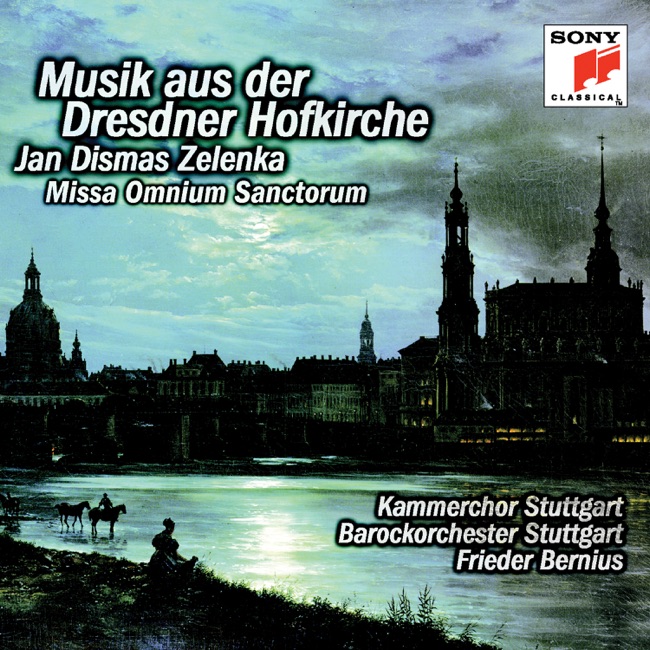
-
 February 17, 2023
 -
 November 4, 2022
 -
 September 16, 2022
 -
 December 10, 2021
 -
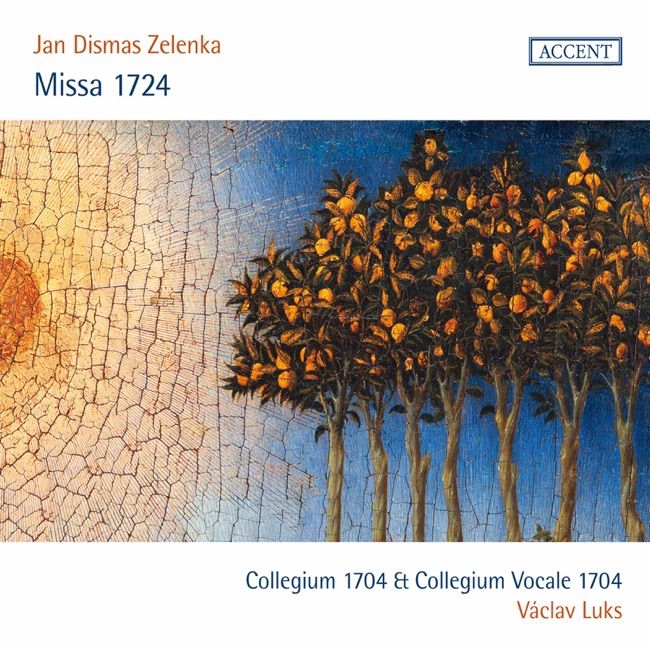 March 20, 2020
Chamber
-
-
 June 18, 2021
 -
 July 3, 2020
 -
 November 15, 2019
 -
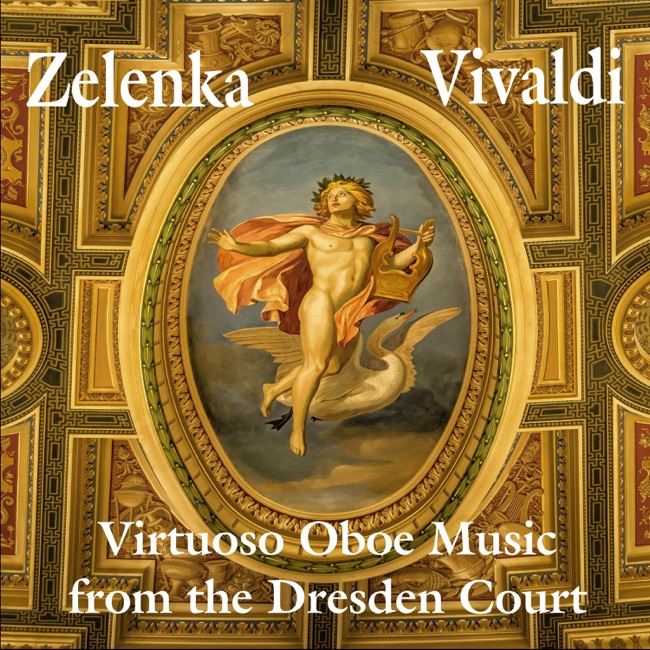 January 1, 2019
 -
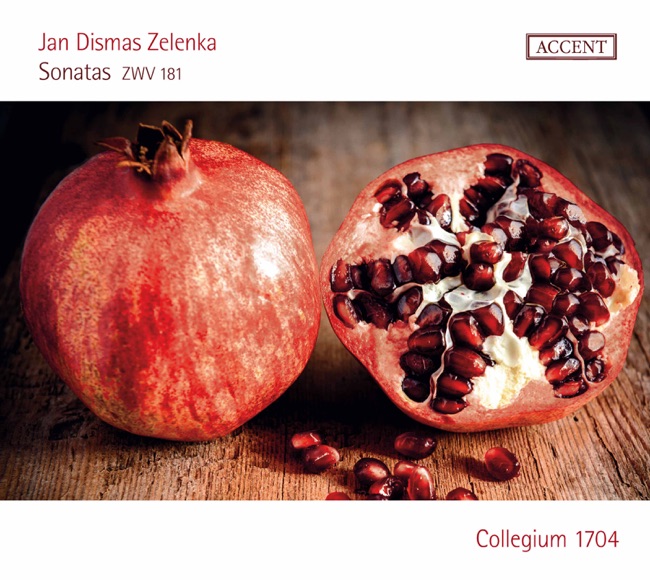 May 26, 2017
Orchestral
-
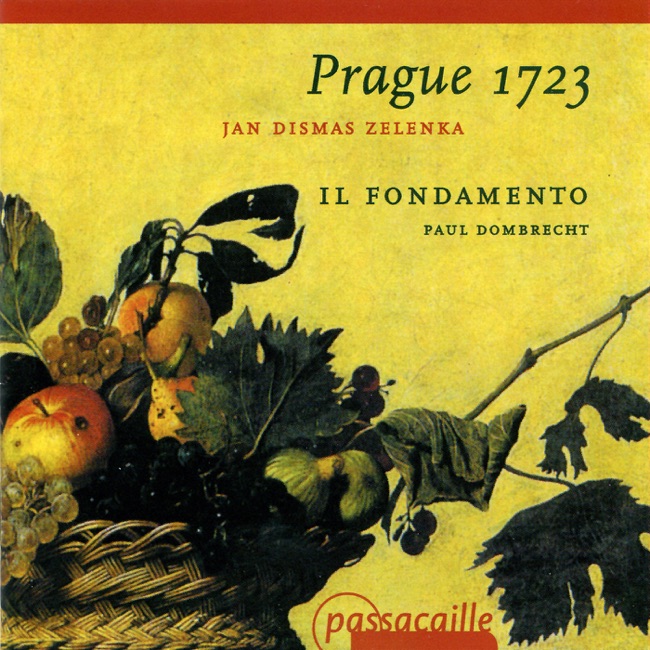 November 2, 2012
 -
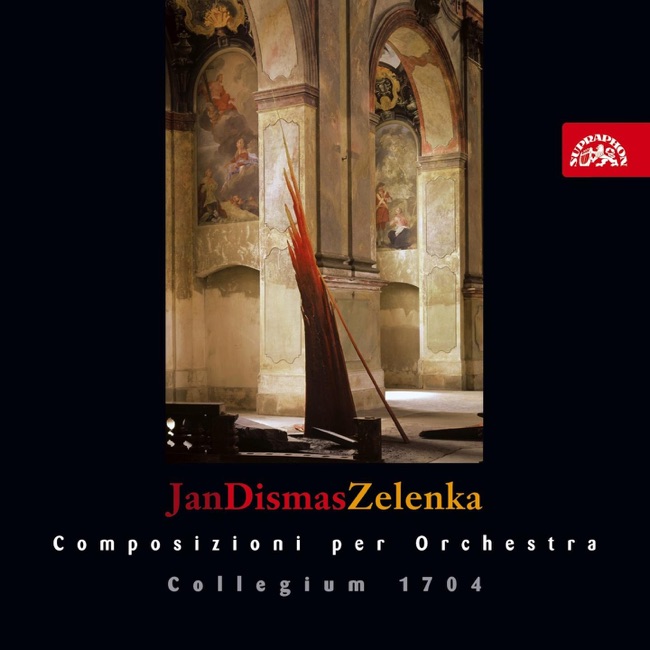 September 26, 2005
 -
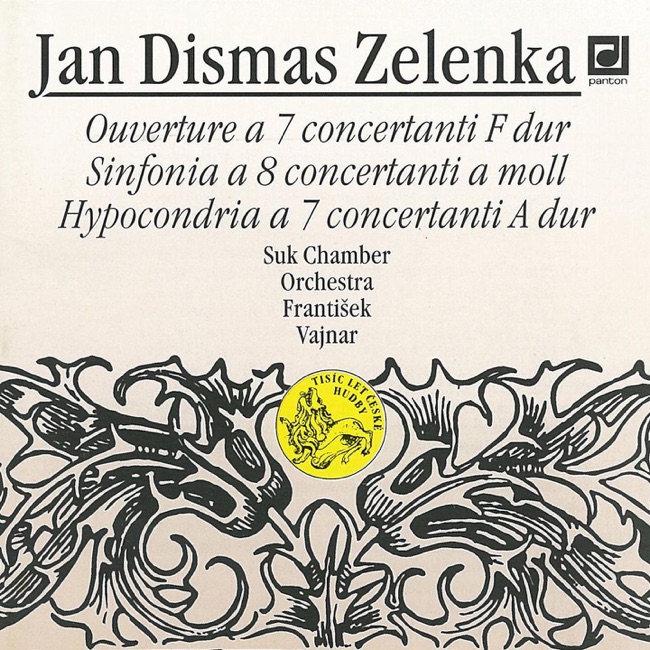 January 1, 1994
 -
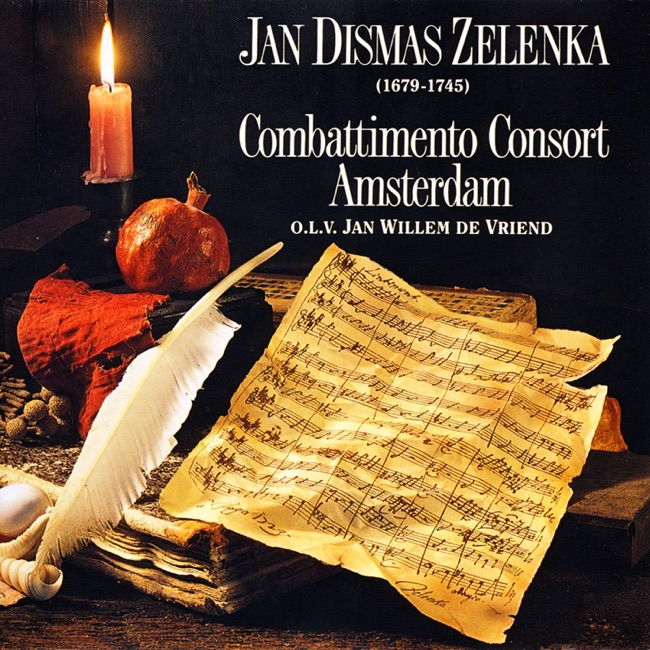 January 11, 1991
Artist Info
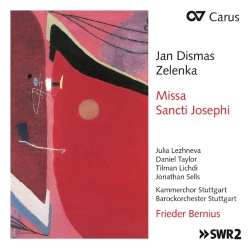
Role:ComposerCountry: Czech RepublicBirth:October 16, 1679 in Loucovice, Czech RepublicDeath:December 22, 1745 in Dresden, GermanyPeriod:BaroqueGenre:ChamberChoralOrchestralJan Dismas Zelenka was a Czech composer of the Baroque era, born on October 16, 1679, in Louňovice pod Blaníkem, a small town in the Czech Republic. He was the son of a schoolmaster and organist, and his father was his first music teacher. Zelenka showed an early talent for music, and by the age of 12, he was already playing the organ in his father's church. In 1694, Zelenka moved to Prague to study music at the Jesuit college. He continued his studies at the Charles University, where he studied philosophy and theology. During this time, he also studied music with Johann Joseph Fux, a prominent composer and music theorist of the time. After completing his studies, Zelenka worked as a musician in various churches in Prague. In 1710, he was appointed as a violone player in the court orchestra of the Elector of Saxony in Dresden. He remained in Dresden for the rest of his life, working as a composer and musician in the court orchestra. Zelenka's music was highly regarded by his contemporaries, including Johann Sebastian Bach, who owned several of Zelenka's scores. Despite this, Zelenka's music fell into obscurity after his death, and it was not until the 20th century that his music was rediscovered and appreciated. Zelenka's music is characterized by its complexity and originality. He was known for his use of unusual harmonies and rhythms, and his music often features unexpected twists and turns. His music is also notable for its use of counterpoint, a technique in which multiple melodies are played simultaneously. Zelenka's most famous works include his masses, which are considered some of the finest examples of Baroque choral music. His Missa Sancti Josephi, written in 1736, is particularly notable for its use of unusual harmonies and its complex choral writing. Zelenka also wrote a number of instrumental works, including sonatas and concertos. His Sonata No. 5 in F major for two oboes, bassoon, and continuo is a particularly fine example of his instrumental music. Despite his talent and the high regard in which he was held by his contemporaries, Zelenka struggled to gain recognition during his lifetime. He was often overlooked in favor of more famous composers such as Bach and Handel, and he was never able to secure a prestigious position in a major court or church. Zelenka died on December 23, 1745, in Dresden. He was buried in an unmarked grave, and it was not until the 20th century that his music began to be rediscovered and appreciated. Today, Zelenka is recognized as one of the most important composers of the Baroque era, and his music continues to be performed and recorded around the world.More....
Recent Artist Music
4
Trio Sonatas (6), ZWV 181
Sonata No. 1 in F major, for 2 oboes, bassoon & b.c.: Adagio ma non troppo
3:17
7
2:43
10
4:20

12
2:2
15
6:56
Recommend Playlist



Related Artists
Copyright Ⓒ 2013 Davinci Finger. All rights reseved
Service Terms & Policy