Jan Dismas Zelenka
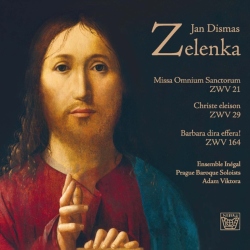
Christe eleison in E minor, ZWV 29
Released Album
Recent Album
-

-
-
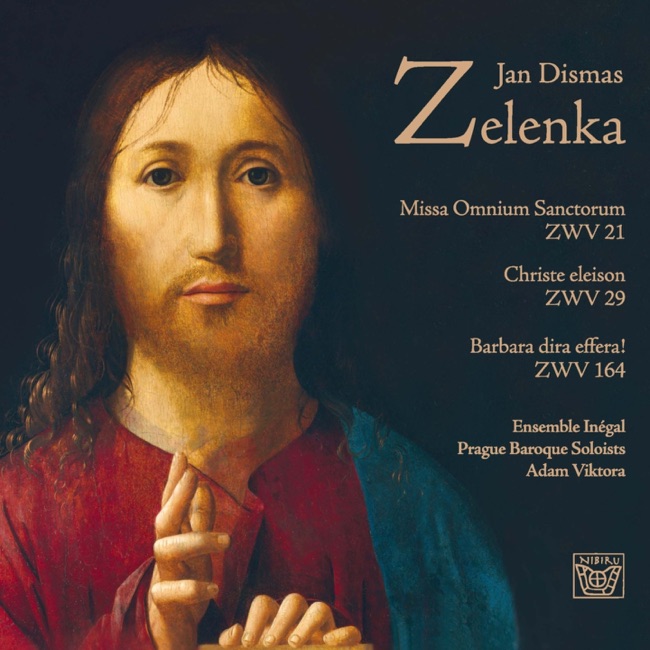 Inegal EnsembleDecember 1, 2011
Featured Album
Works Info
Composer:Jan Dismas ZelenkaGenre:ChoralCompose Date:ca. 1740Publication Date:1981Average_duration:5:59Jan Dismas Zelenka was a Czech composer of the Baroque era, known for his intricate and innovative compositions. One of his most notable works is the "Christe eleison in E minor, ZWV 29," which was composed in the early 1730s. The premiere of the "Christe eleison in E minor" is not well-documented, but it is believed to have been performed in Dresden, where Zelenka was employed as a composer and musician at the court of Augustus II the Strong. The work is a setting of the Kyrie eleison, a traditional part of the Catholic Mass, and is divided into three movements. The first movement, marked "Kyrie eleison," is a solemn and introspective piece that features a solo soprano voice accompanied by a small ensemble of strings and continuo. The melody is simple and plaintive, with the soprano voice soaring above the accompaniment in a series of long, sustained phrases. The second movement, marked "Christe eleison," is more lively and energetic, with a faster tempo and a more complex texture. The soprano voice is joined by a chorus of four-part harmony, and the instrumental accompaniment is expanded to include woodwinds and brass. The melody is more ornate and intricate, with the voices and instruments weaving in and out of each other in a complex interplay. The final movement, marked "Kyrie eleison," returns to the solemn and introspective mood of the first movement. The soprano voice is once again accompanied by a small ensemble of strings and continuo, and the melody is similar to that of the first movement, with long, sustained phrases and a simple, plaintive character. Overall, the "Christe eleison in E minor" is a masterful example of Zelenka's skill as a composer. The work is notable for its intricate and innovative harmonies, its complex interplay between voices and instruments, and its emotional depth and intensity. It remains a beloved and frequently-performed work in the repertoire of Baroque choral music.More....
Works Music
Released Music

3
4:54
Featured Music