


Johann Joseph Fux
Released Album
Chamber
-
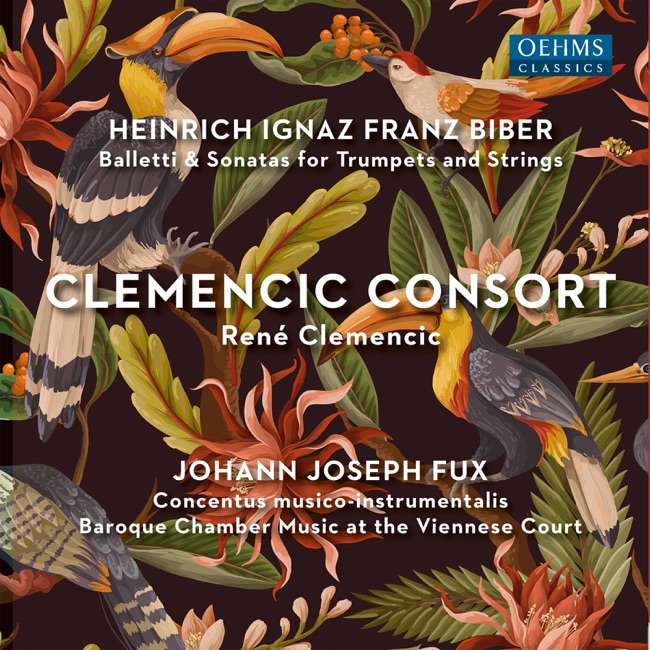
-
 January 12, 2018
 -
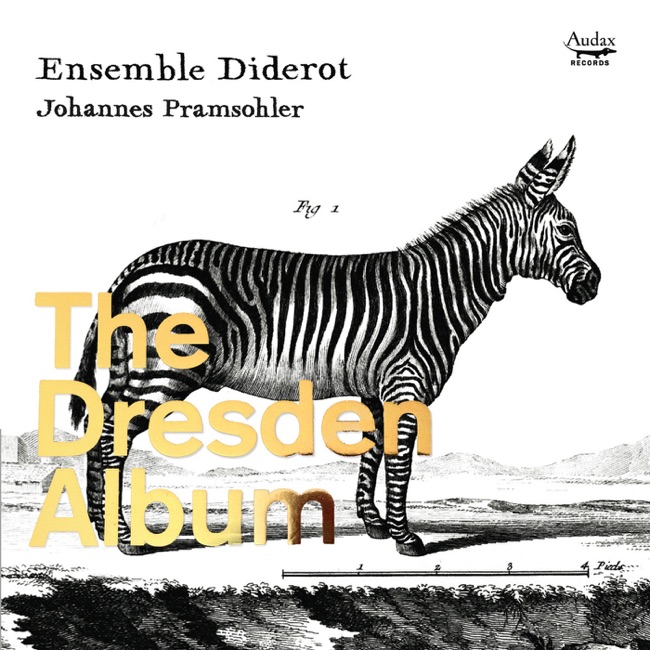 June 9, 2015
 -
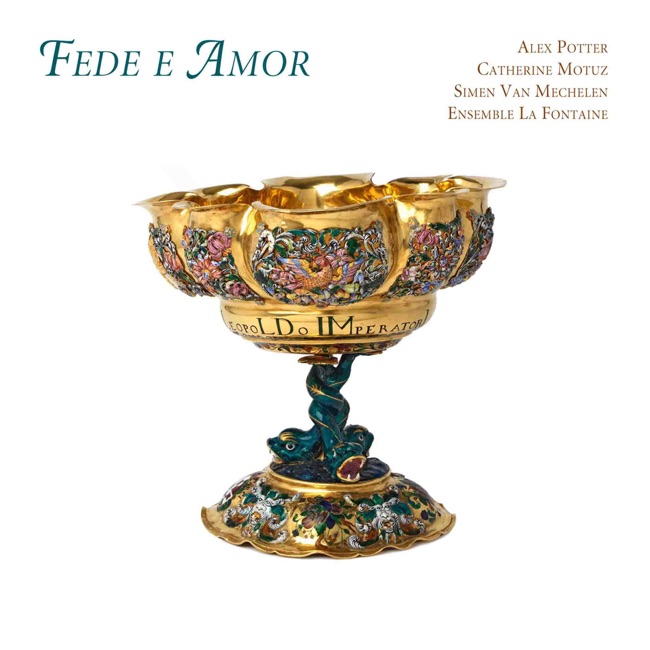 August 23, 2013
 -
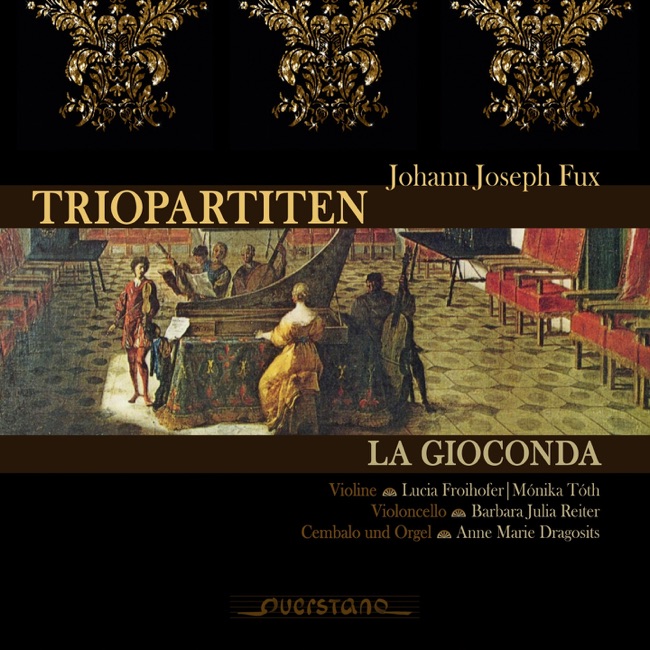 April 10, 2012
 -
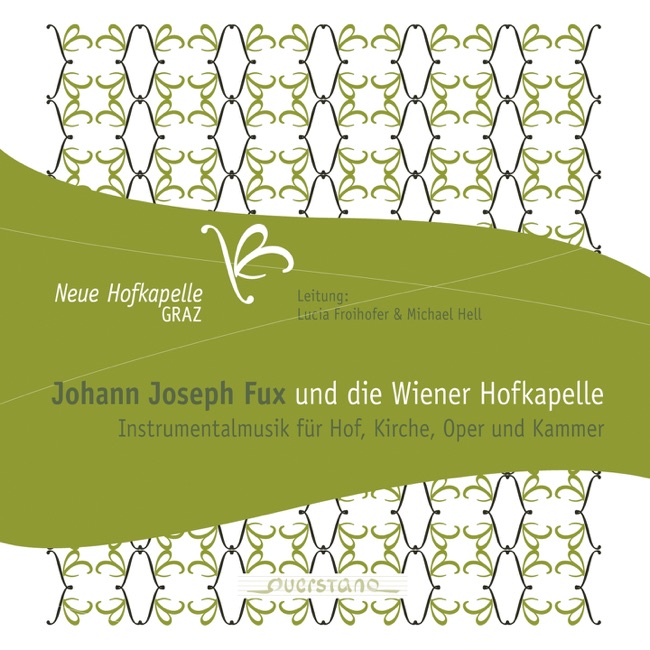 March 13, 2012
Choral
-
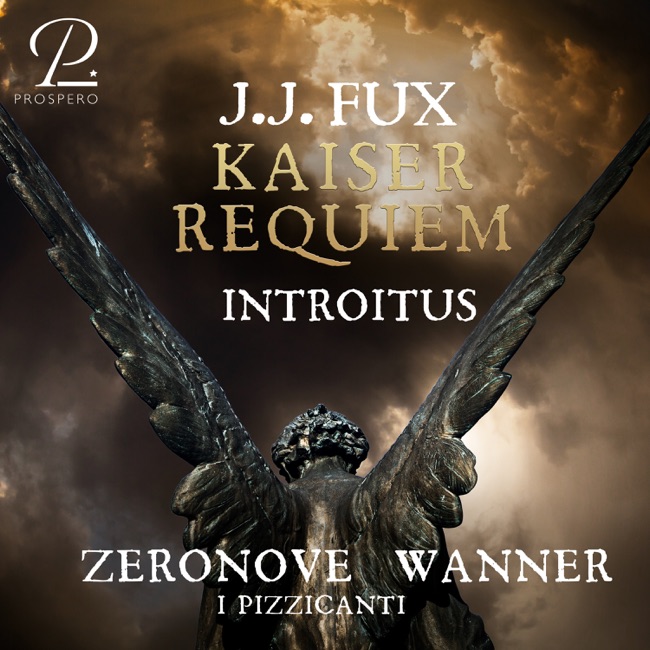 October 13, 2023
 -
 December 10, 2021
 -
 March 12, 2021
 -
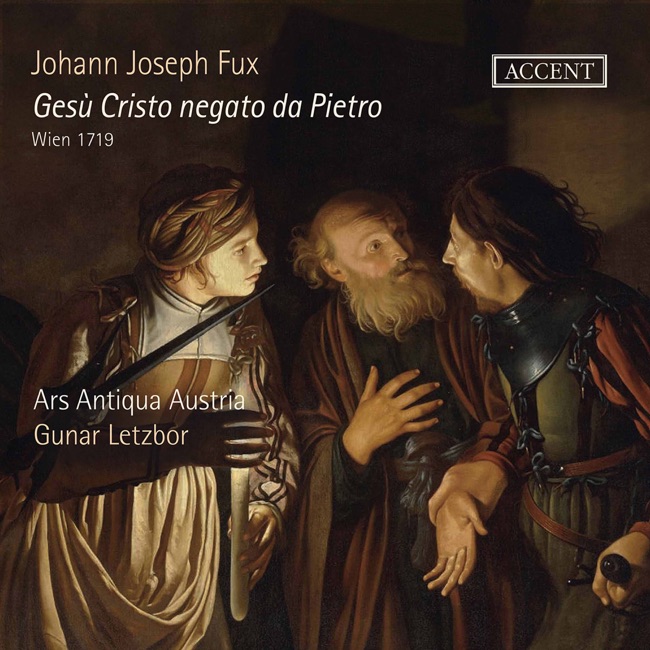 February 5, 2021
 -
 September 30, 2016
 -
Orchestral
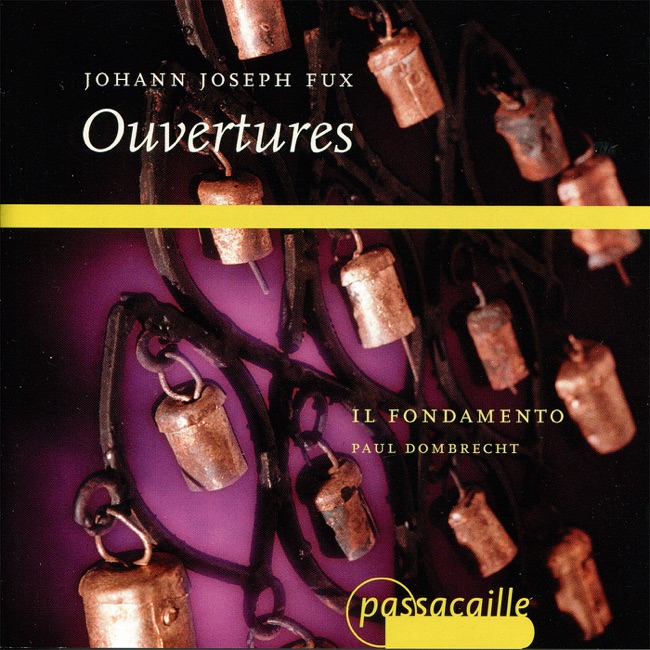
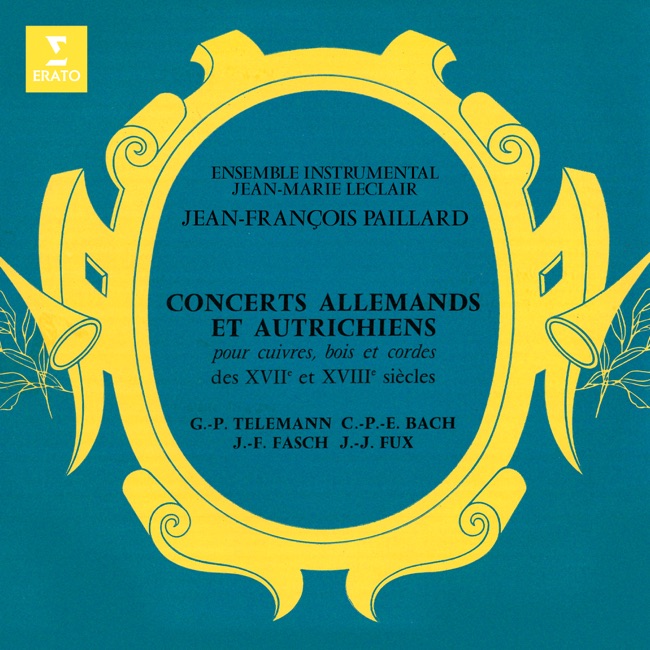
Opera
-
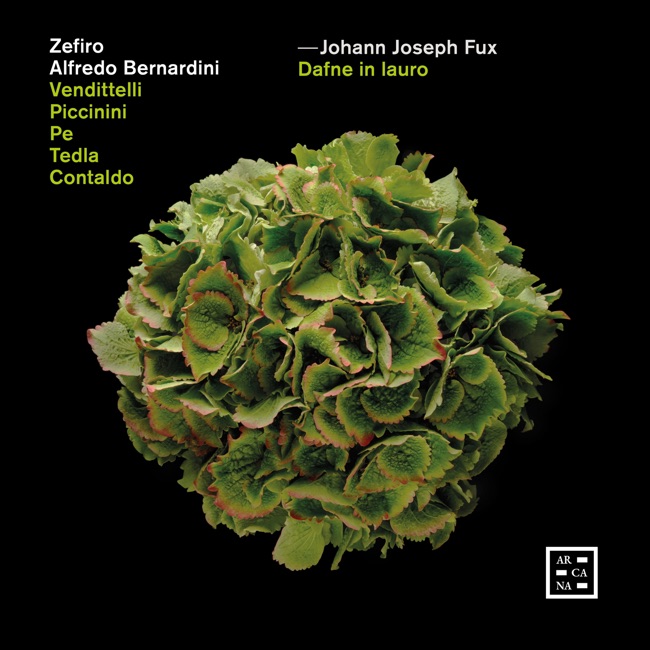 June 25, 2021
 -
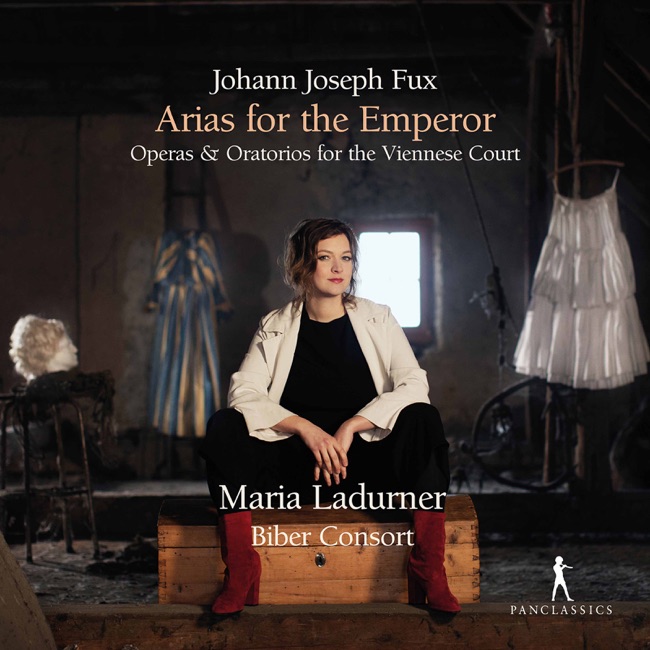 May 21, 2021
 -
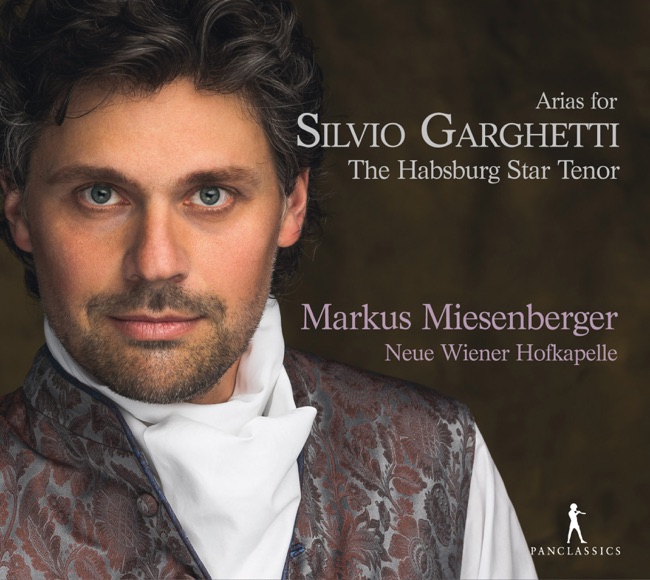 January 19, 2018
 -
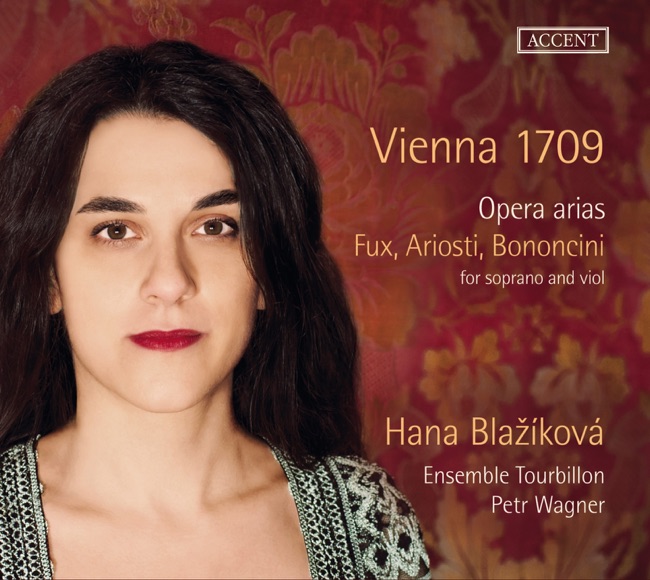 October 14, 2014
 -
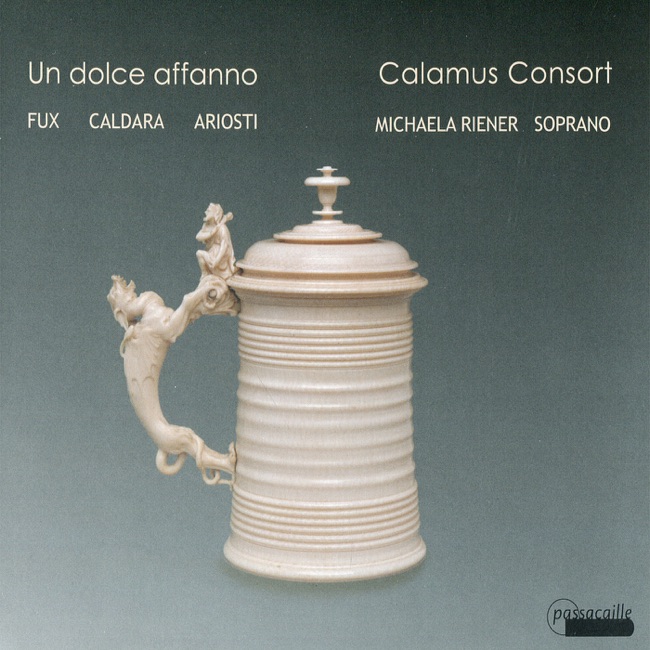 August 6, 2012
 -
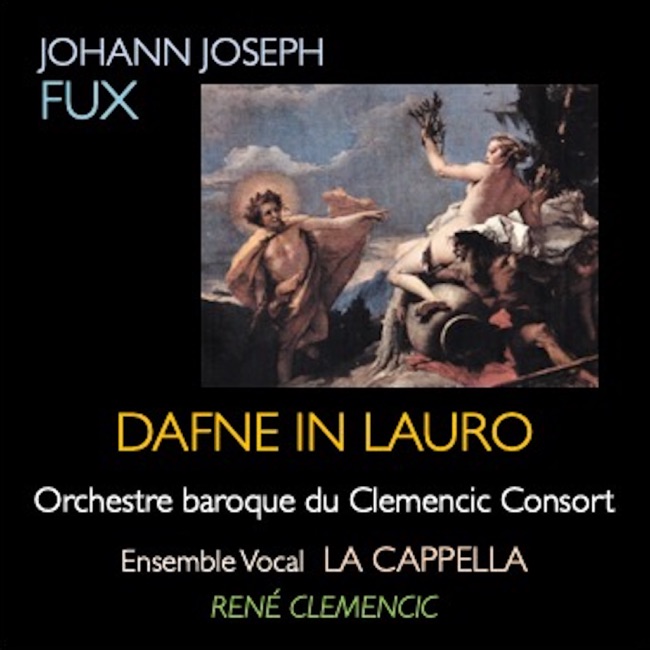 January 9, 2001
Artist Info
Role:ComposerCountry: AustriaBirth:1660 in Hirtenfeld, StyriaDeath:February 13, 1741 in Vienna, AustriaPeriod:BaroqueGenre:ChamberChoralOperaOrchestralJohann Joseph Fux was a prominent composer and music theorist of the Baroque era. He was born on February 15, 1660, in Hirtenfeld, Styria, Austria. Fux was the youngest of six children, and his father was a miller. His family was not musically inclined, but Fux showed an early interest in music and began singing in the local church choir at a young age. Fux's musical talent was recognized by the local nobleman, Count Johann Weikhart von Thun, who provided him with a scholarship to study music in Graz. Fux studied under the composer Johann Heinrich Schmelzer and the organist Johann Jakob Froberger. He also received a thorough education in Latin, which would later prove useful in his work as a music theorist. In 1680, Fux moved to Vienna, where he became a singer in the court chapel of Emperor Leopold I. He also studied composition with the court composer Johann Kaspar Kerll. Fux quickly gained a reputation as a talented composer and was appointed court composer in 1698. Fux's most famous work is his treatise Gradus ad Parnassum, which was published in 1725. The treatise is a comprehensive guide to counterpoint, the art of combining melodies in a harmonious way. It became a standard textbook for music students and was used by many famous composers, including Mozart and Beethoven. Fux's compositions include operas, oratorios, and instrumental music. His operas include Il Fonte della Salute (1700) and Costanza e Fortezza (1708). His oratorios include La Deposizione dalla Croce (1708) and Il Trionfo della Fede (1710). Fux's instrumental music includes sonatas, concertos, and chamber music. Fux's music is characterized by its contrapuntal complexity and its use of Baroque ornamentation. His compositions are often highly structured and follow strict rules of counterpoint. Fux was also known for his use of chromaticism, which was a relatively new technique in the Baroque era. Fux's influence on music theory and composition cannot be overstated. His treatise Gradus ad Parnassum was a groundbreaking work that codified the rules of counterpoint and provided a framework for composers to follow. His music was also highly influential, and many composers of the Baroque era and beyond were influenced by his style. Fux died on February 13, 1741, in Vienna. His legacy lives on through his music and his treatise, which continue to be studied and admired by musicians and music scholars around the world.More....
Recent Artist Music
6
7:20
7
2:19

10

54

12

2:59
13
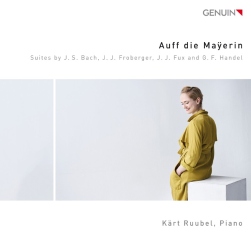
1:38
14

Symphony at 3 K 331
Turcaria Eine Musikalische Beschreibung Der Belagerung Wiens Durch Die Türken Anno 1683
1:46
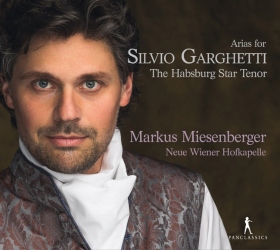
Copyright Ⓒ 2013 Davinci Finger. All rights reseved
Service Terms & Policy