Johann Joseph Fux
Partita for harpsichord No. 4 in G minor, E117
Released Album
Recent Album
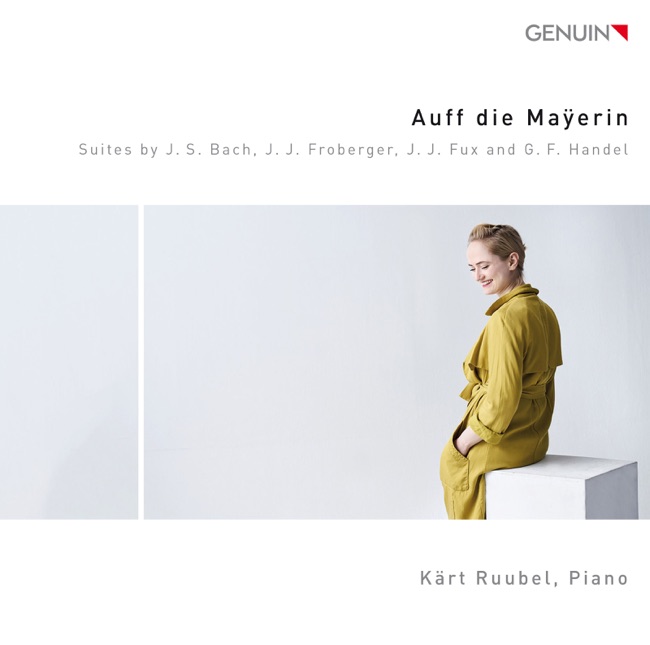

Works Info
Composer:Johann Joseph FuxGenre:KeyboardAverage_duration:14:56Movement_count:6Movement ....Johann Joseph Fux's Partita for harpsichord No. 4 in G minor, E117, is a Baroque keyboard work composed in the early 18th century. The exact date of composition is unknown, but it is believed to have been written around 1715. The Partita consists of six movements, each with its own unique character and style. The Partita opens with a lively and energetic Allemande, a dance in quadruple meter that originated in Germany. The second movement is a Courante, a French dance in triple meter that is characterized by its flowing and graceful melody. The third movement is a Sarabande, a slow and stately dance in triple meter that was popular in Spain and Latin America. The fourth movement is a Gigue, a lively dance in compound meter that originated in England and became popular throughout Europe. The fifth movement is a Menuet, a French dance in triple meter that is often used as a movement in Baroque suites. Fux's Menuet is elegant and refined, with a delicate melody that is accompanied by a simple and understated bass line. The final movement is a Gavotte, a French dance in quadruple meter that is characterized by its lively and playful melody. Fux's Partita for harpsichord No. 4 in G minor is a prime example of Baroque keyboard music. The work is characterized by its intricate and ornate melodies, its use of counterpoint and harmony, and its rhythmic complexity. The Partita showcases Fux's mastery of the keyboard and his ability to create music that is both technically challenging and musically satisfying.More....
Works Music