Johann Joseph Fux
Sonata à 3, trombone & continuo, E 68
Released Album
Recent Album
Works Info
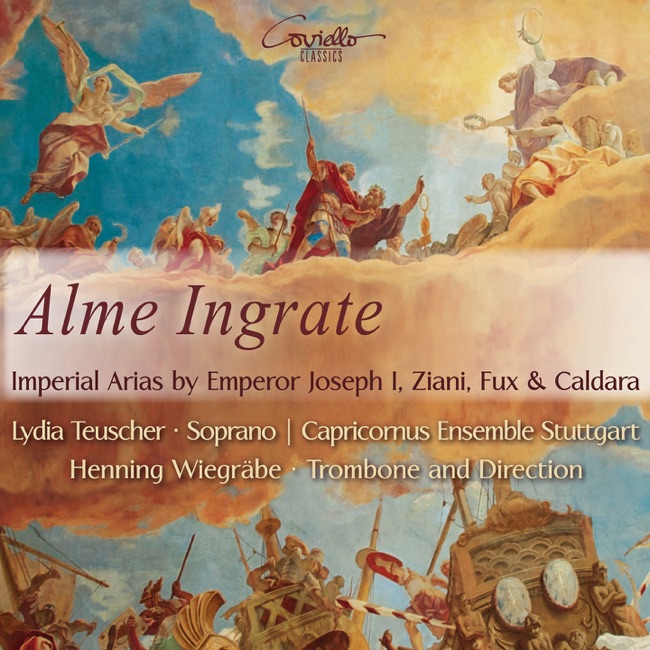
Composer:Johann Joseph FuxGenre:ChamberAverage_duration:6:05Johann Joseph Fux's 'Sonata à 3, trombone & continuo, E 68' is a Baroque chamber music piece composed in the early 18th century. The exact date of composition is unknown, but it is believed to have been written between 1700 and 1720. The piece was premiered in Vienna, Austria, where Fux served as the court composer for the Habsburgs. The 'Sonata à 3' is a three-movement work that features a solo trombone accompanied by a continuo consisting of a harpsichord or organ and a bass instrument such as a cello or bassoon. The first movement is marked Allegro and is in a binary form, with two contrasting sections that are repeated. The second movement is marked Adagio and is a slow, lyrical piece that showcases the trombone's expressive capabilities. The final movement is marked Allegro and is a lively dance-like piece that features virtuosic passages for the trombone. The 'Sonata à 3' is characteristic of the Baroque period in its use of counterpoint, ornamentation, and basso continuo. Fux's writing for the trombone is particularly noteworthy, as he was one of the first composers to write solo pieces for the instrument. The trombone's rich, sonorous tone is well-suited to the expressive melodies and virtuosic passages that Fux has written for it. Overall, the 'Sonata à 3, trombone & continuo, E 68' is a fine example of Baroque chamber music and a testament to Fux's skill as a composer. Its premiere in Vienna would have been a highlight of the court's musical calendar, and it remains a popular piece among trombonists and Baroque music enthusiasts today.More....