


Jan Dismas Zelenka
Trio Sonata for 2 oboes, bassoon & continuo No. 5 in F major, ZWV 181/5
Released Album
Recent Album
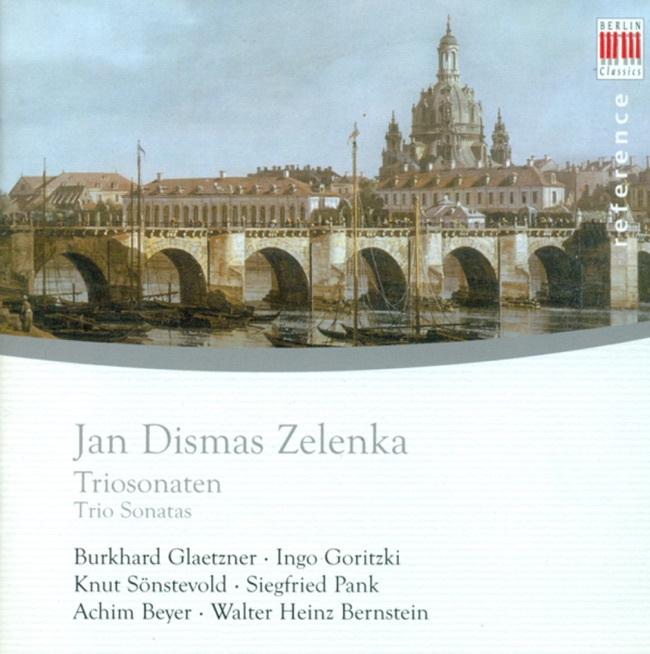
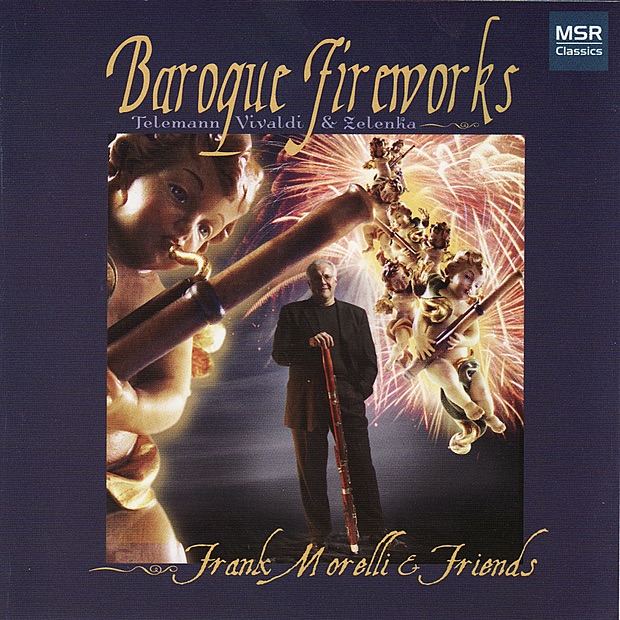
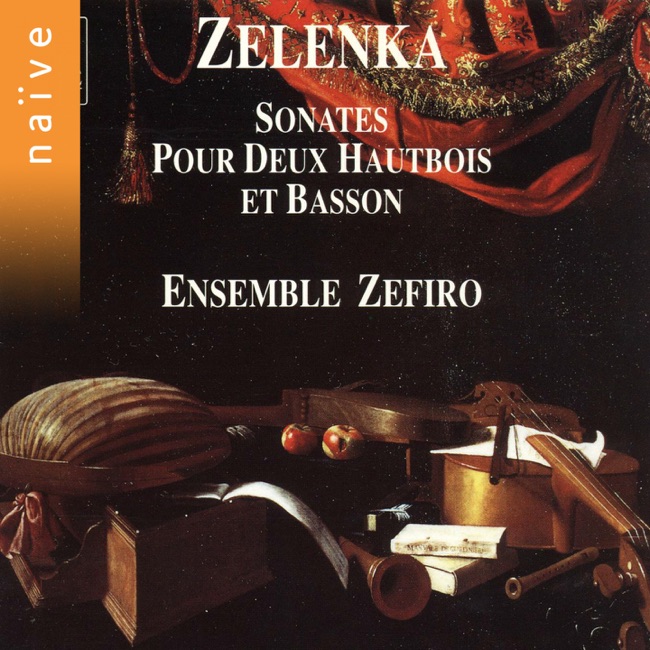
Featured Album
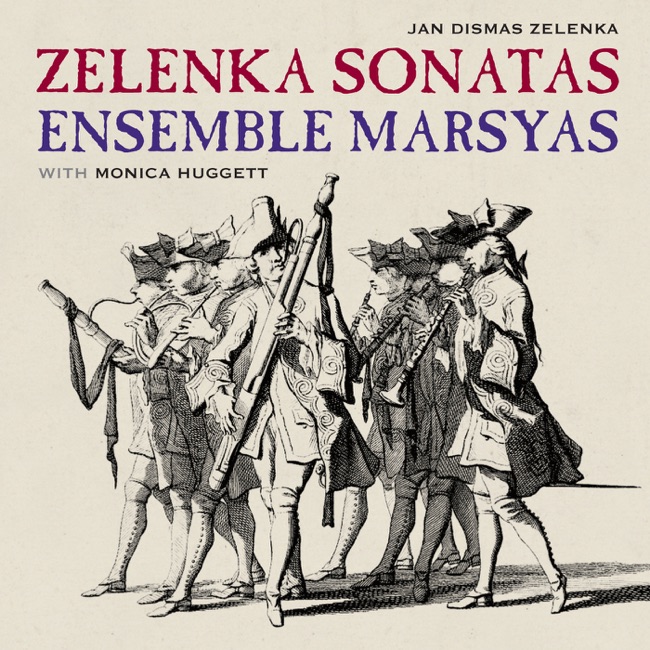
Works Info
Composer:Jan Dismas ZelenkaGenre:ChamberStyle:SonataCompose Date:ca. 1721 - 1722Publication Date:1955 - 1965Average_duration:16:31Movement_count:3Movement ....Jan Dismas Zelenka's Trio Sonata for 2 oboes, bassoon & continuo No. 5 in F major, ZWV 181/5, was composed in the early 18th century. The exact date of composition is unknown, but it is believed to have been written between 1715 and 1720. The piece was premiered in Dresden, where Zelenka was employed as a composer and musician in the court of Augustus II the Strong, Elector of Saxony and King of Poland. The Trio Sonata consists of four movements: Allegro, Adagio, Allegro, and Presto. The first movement, Allegro, is characterized by its lively and energetic tempo, with the two oboes and bassoon playing in unison and trading off melodic lines. The second movement, Adagio, is a slow and expressive piece, with the oboes and bassoon playing in a more contrapuntal style. The third movement, Allegro, returns to the lively tempo of the first movement, with the oboes and bassoon once again playing in unison and trading off melodic lines. The final movement, Presto, is a fast and virtuosic piece, with the oboes and bassoon playing in a more complex and intricate style. One of the key characteristics of Zelenka's Trio Sonata is its use of counterpoint, with the different instruments playing off each other in complex and intricate ways. This is particularly evident in the second and fourth movements, where the oboes and bassoon engage in a lively and intricate dialogue. Another characteristic of the piece is its use of ornamentation, with the oboes and bassoon adding flourishes and embellishments to the melodic lines. Overall, Zelenka's Trio Sonata for 2 oboes, bassoon & continuo No. 5 in F major, ZWV 181/5, is a lively and virtuosic piece that showcases the composer's skill in writing for multiple instruments. Its use of counterpoint and ornamentation make it a challenging and rewarding piece for performers, and its lively tempo and intricate melodies make it a joy to listen to.More....
Works Music
Released Music
1
6:56
2
6:38
3
7:10
4
6:58
5
6:58
6
6:47
7
6:53
Featured Music
1
6:50
2
3:6
3
6:24