


Jan Dismas Zelenka
Barbara dira effera in F major, ZWV 164
Released Album
Recent Album
-

-

-
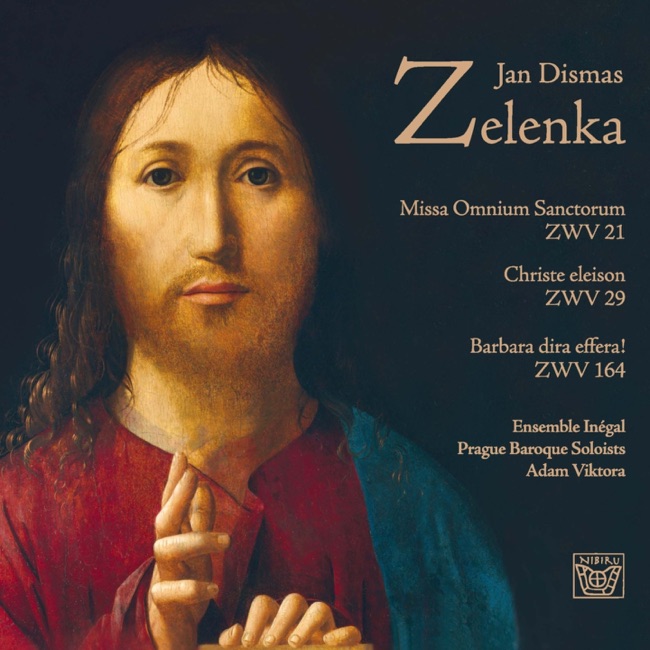 Inegal EnsembleDecember 1, 2011
Featured Album
Works Info
Composer:Jan Dismas ZelenkaGenre:ChoralCompose Date:ca. 1733Average_duration:17:44"Barbara dira effera in F major, ZWV 164" is a sacred vocal work composed by Jan Dismas Zelenka, a Czech composer of the Baroque era. The piece was composed in 1725 and premiered in Dresden, Germany, where Zelenka was employed as a court composer for the Elector of Saxony. The work is divided into six movements, each of which is based on a different text from the Catholic liturgy. The first movement is a choral setting of the text "Barbara dira effera," which is a hymn to St. Barbara, the patron saint of miners. The second movement is a duet for soprano and alto, based on the text "Quam olim Abrahae," which is a prayer for mercy. The third movement is a bass aria, based on the text "In te, Domine, speravi," which is a psalm of trust in God. The fourth movement is a duet for soprano and alto, based on the text "Ave, Regina coelorum," which is a hymn to the Virgin Mary. The fifth movement is a bass aria, based on the text "Laudate pueri Dominum," which is a psalm of praise. The final movement is a choral setting of the text "Salve Regina," which is another hymn to the Virgin Mary. The characteristics of "Barbara dira effera" reflect Zelenka's unique style, which was heavily influenced by the music of his contemporaries, such as Johann Sebastian Bach and Georg Philipp Telemann. The work features complex counterpoint, intricate harmonies, and a wide range of vocal and instrumental textures. Zelenka also employs a variety of musical forms, including fugues, arias, and chorales, to create a rich and varied musical landscape. Overall, "Barbara dira effera in F major, ZWV 164" is a masterful example of Zelenka's skill as a composer and his ability to create deeply expressive and spiritually uplifting music.More....
Works Music
Released Music


Featured Music
1
Barbara dira effera in F major, ZWV 164
Barbara, dira effera!, motetto pro Resurrectione Domini, ZWV 164
17:44