


Alexander Welitsch
Released Album
Opera
-
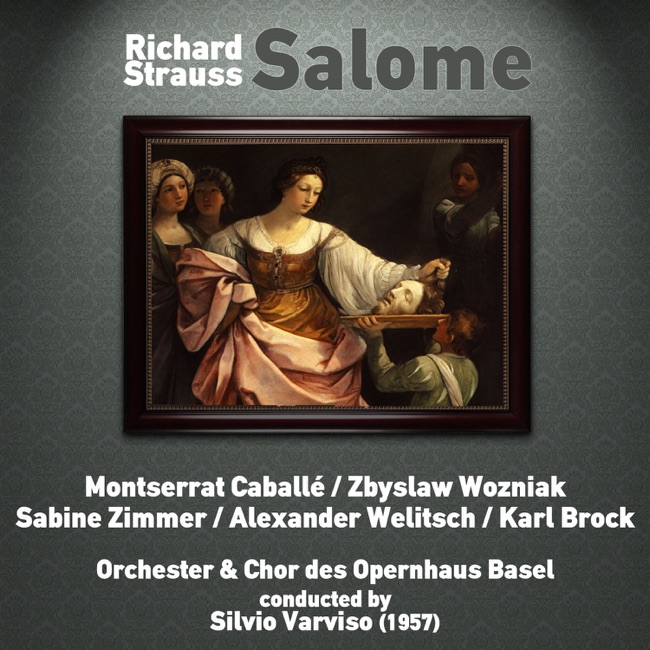 March 20, 2013
 -
 January 30, 2001
 -
 June 1, 2000
 -
 December 1, 1999
 -
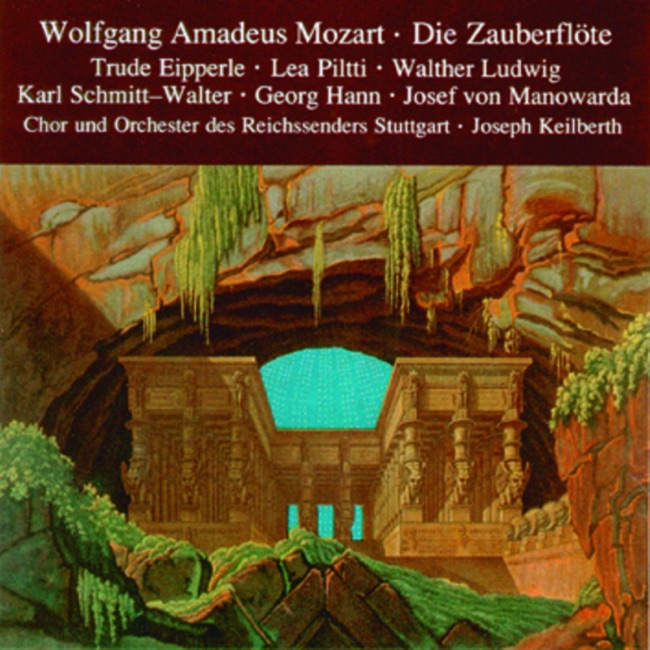 1999
1999 -
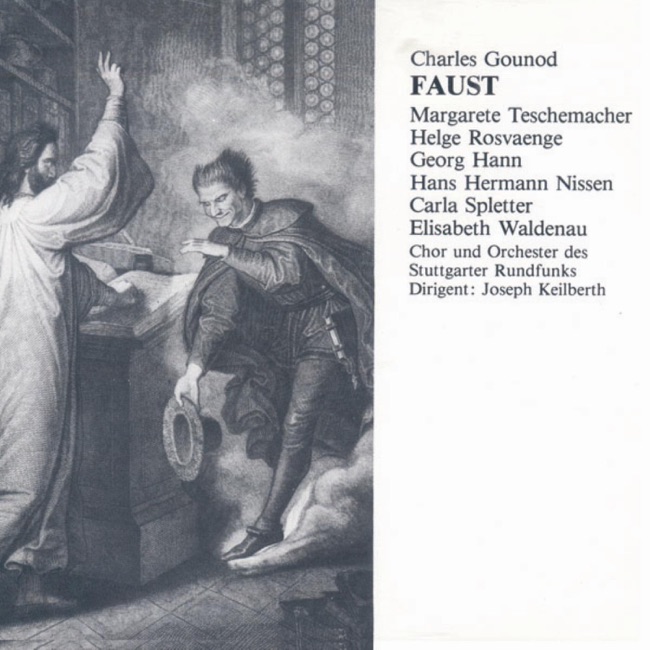 July 4, 1998
Artist Info
Period:ClassicalRomanticGenre:OperaAlexander Welitsch was a renowned Bulgarian baritone singer who made a significant contribution to the world of classical music. He was born on January 22, 1900, in Sofia, Bulgaria, to a family of musicians. His father, Ivan Welitsch, was a well-known opera singer, and his mother, Maria Welitsch, was a pianist. Alexander grew up in a musical environment and showed an early interest in singing. At the age of 18, Alexander began his formal music education at the Sofia Conservatory, where he studied under the guidance of Professor Georgi Zlatev-Cherkin. He made his debut as a soloist in 1922, performing in a concert of Bulgarian folk songs. His performance was well-received, and he soon became a popular singer in Bulgaria. In 1924, Alexander moved to Vienna, Austria, to further his music education. He studied at the Vienna Music Academy and the Vienna State Opera, where he received training in opera singing. He made his debut at the Vienna State Opera in 1926, performing the role of Silvio in the opera "Pagliacci" by Ruggero Leoncavallo. His performance was a huge success, and he was praised for his powerful voice and dramatic interpretation. Alexander's career took off after his debut at the Vienna State Opera. He became a regular performer at the opera house and performed in many leading roles, including Don Giovanni in Mozart's "Don Giovanni," Count Almaviva in Rossini's "The Barber of Seville," and Escamillo in Bizet's "Carmen." He also performed in other opera houses in Europe, including the Royal Opera House in London, the Paris Opera, and the Teatro alla Scala in Milan. One of Alexander's most memorable performances was his portrayal of Boris Godunov in Modest Mussorgsky's opera "Boris Godunov." He performed the role at the Vienna State Opera in 1937, and his performance was widely acclaimed. He was praised for his powerful voice, dramatic interpretation, and emotional depth. The performance was recorded and is still considered one of the best recordings of the opera. Alexander's career was interrupted by World War II. He returned to Bulgaria in 1941 and performed in concerts to raise morale during the war. He also taught at the Sofia Conservatory and helped to train a new generation of Bulgarian singers. After the war, Alexander resumed his international career. He performed in many leading roles in Europe and the United States, including the title role in Verdi's "Rigoletto" and Scarpia in Puccini's "Tosca." He also performed in concerts and recitals, showcasing his versatility as a singer. Alexander received many awards and honors throughout his career. In 1950, he was awarded the title of People's Artist of Bulgaria, the highest honor for an artist in Bulgaria. He was also awarded the Order of the Red Banner of Labor, the highest civilian award in the Soviet Union, for his contribution to the development of Soviet-Bulgarian cultural relations. Alexander retired from the stage in 1960 but continued to teach at the Sofia Conservatory until his death in 1965. He left behind a legacy as one of the greatest baritone singers of the 20th century. His powerful voice, dramatic interpretation, and emotional depth continue to inspire singers and audiences around the world.More....
Recent Artist Music

Copyright Ⓒ 2013 Davinci Finger. All rights reseved
Service Terms & Policy