


Franz Waxman
Released Album
Concerto
-
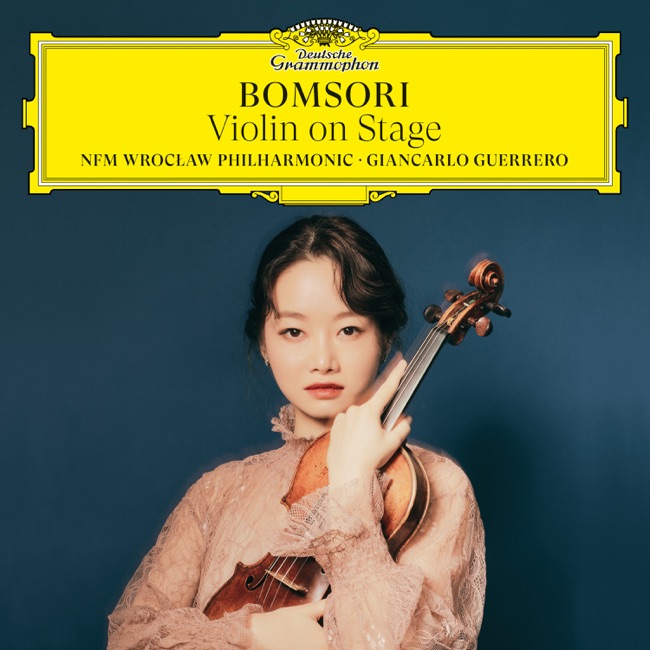 June 18, 2021
 -
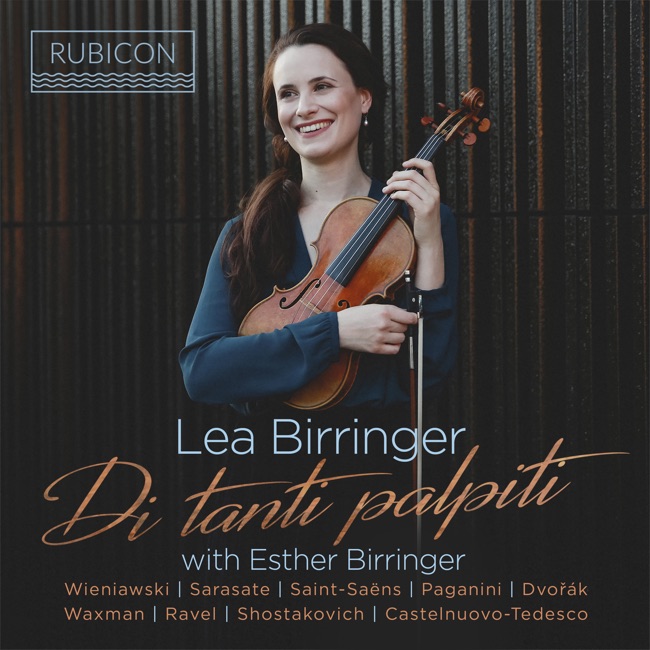 September 27, 2019
 -
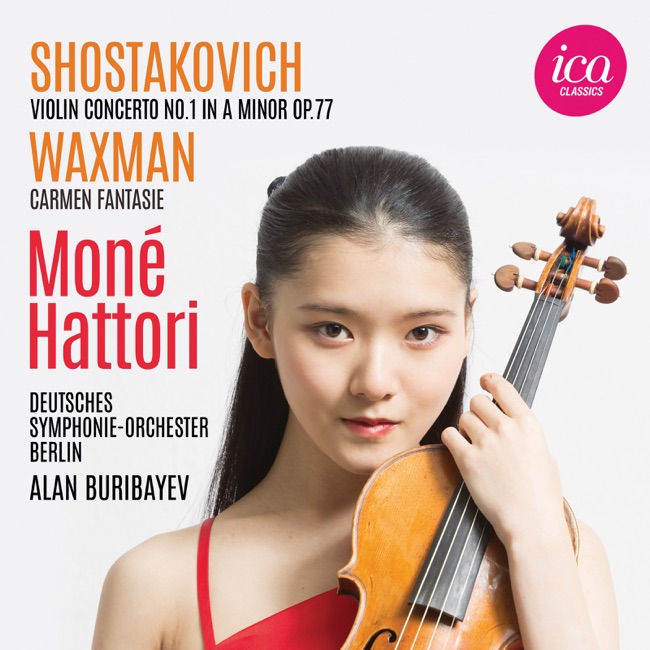
-
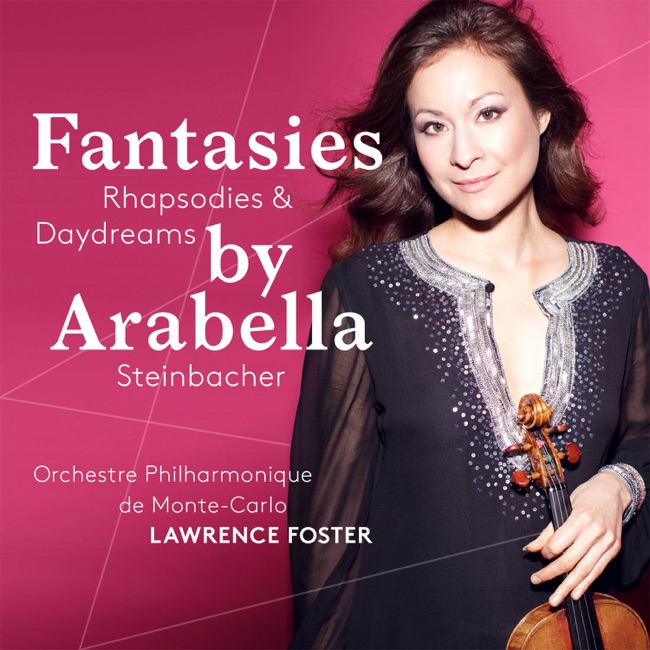 September 9, 2016
 -
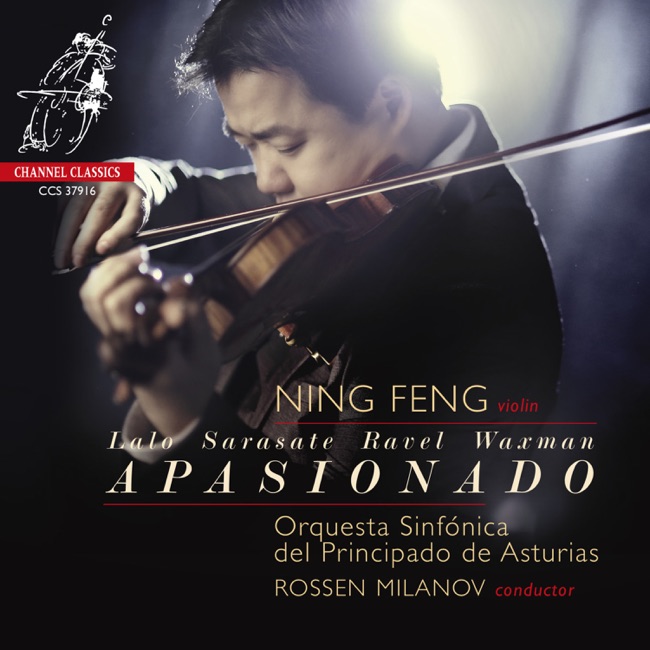 April 1, 2016
Film
-

-
 August 28, 2015
 -
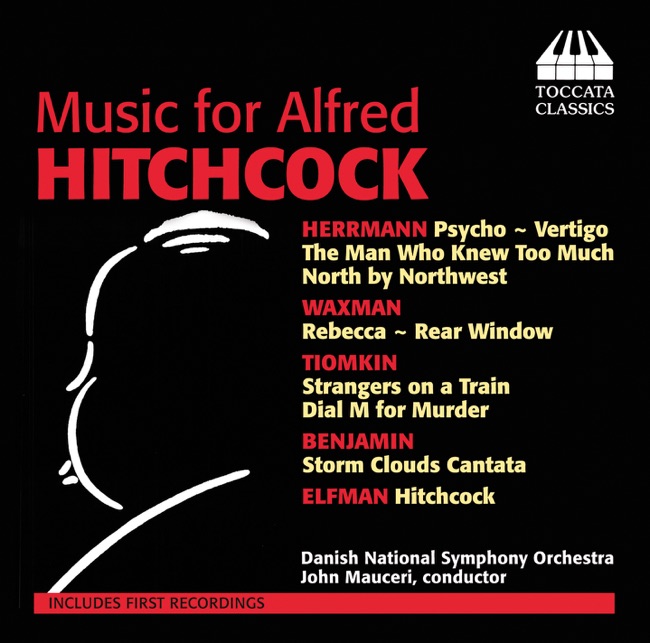 August 12, 2014
 -
 April 1, 2014
 -
 February 11, 2014
 -
 February 11, 2014
Orchestral
Chamber
-
 March 1, 2024
Artist Info
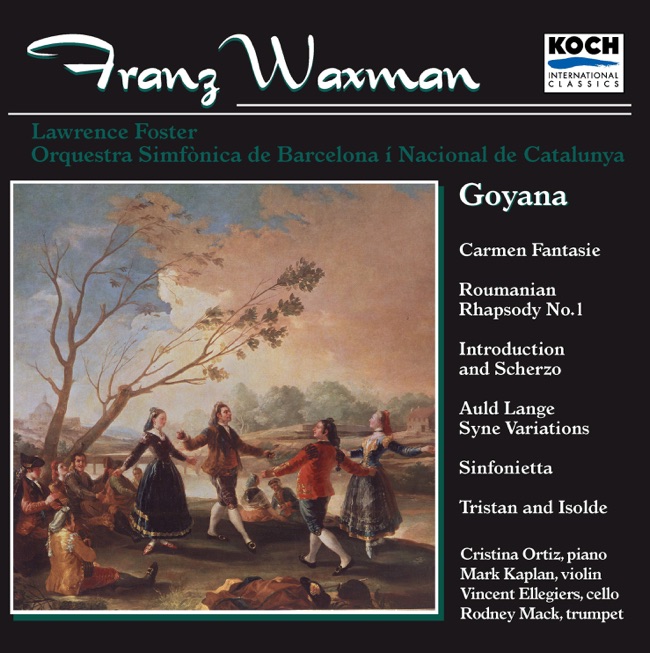
Role:Composer ConductorCountry: United States of AmericaBirth:December 24, 1906 in Königshütte, Upper Silesia, GermanyDeath:February 24, 1967 in Los Angeles, CAGenre:FilmOrchestralFranz Waxman was a German-American composer and conductor who was born on December 24, 1906, in Königshütte, Germany (now Chorzów, Poland). He was the son of a Jewish family, and his father was a successful industrialist. Waxman showed an early interest in music and began playing the piano at the age of six. He received his first formal music education at the Königshütte Conservatory, where he studied piano, violin, and composition. In 1923, Waxman moved to Berlin to study at the Berlin Hochschule für Musik. He studied composition with Philipp Jarnach and piano with Leonid Kreutzer. While in Berlin, Waxman became involved in the city's vibrant music scene and began working as a pianist and arranger for various cabarets and theaters. He also played in a jazz band and composed music for silent films. In 1933, Waxman fled Germany due to the rise of the Nazi party and moved to Paris. There, he continued to work as a film composer and conductor, and he also composed concert music. In 1935, he moved to Hollywood, where he quickly established himself as one of the leading film composers of his time. Waxman's early film scores included The Bride of Frankenstein (1935) and Dr. Jekyll and Mr. Hyde (1935). He also composed the music for the film adaptation of the musical The Philadelphia Story (1940), which starred Katharine Hepburn, Cary Grant, and James Stewart. The score for The Philadelphia Story earned Waxman his first Academy Award nomination. Waxman's most famous film score is perhaps the music he composed for the 1951 film adaptation of A Streetcar Named Desire, which starred Marlon Brando and Vivien Leigh. The score, which features a haunting trumpet solo, perfectly captures the mood and atmosphere of the film. Waxman won his first Academy Award for Best Original Score for A Streetcar Named Desire. Waxman continued to compose music for films throughout the 1950s and 1960s, including The Nun's Story (1959), The Longest Day (1962), and The Chapman Report (1962). He also composed the music for the television series Adventures in Paradise (1959-1962). In addition to his work in film and television, Waxman also composed concert music. His most famous concert work is perhaps his Carmen Fantasie, which is based on themes from Georges Bizet's opera Carmen. The piece, which was written for violin and orchestra, has become a staple of the violin repertoire and has been recorded by many of the world's leading violinists. Waxman's other concert works include his Symphony in D (1947), which was premiered by the Los Angeles Philharmonic, and his Sinfonietta for Strings and Timpani (1954), which was commissioned by the Louisville Orchestra. He also composed music for ballets, including The Pied Piper (1951) and Prince of the Pagodas (1957). Waxman was known for his ability to write music in a wide variety of styles, from lush romantic melodies to jazzy, modernist scores. He was also known for his skill as an orchestrator, and many of his film scores feature complex and innovative orchestrations. Waxman died on February 24, 1967, in Los Angeles, California, at the age of 60. He left behind a legacy of memorable film scores and concert works that continue to be performed and recorded today.More....
Recent Artist Music

Related Artists
Copyright Ⓒ 2013 Davinci Finger. All rights reseved
Service Terms & Policy