


Leevi Madetoja
Released Album
Vocal
-
 November 11, 2016
 -
 April 27, 2010
 -
 October 28, 2008
 -
 May 27, 2008
 -
 January 1, 2006
 -
 October 7, 2004
Orchestral
-
 November 5, 2021
 -
 January 24, 2012
 -
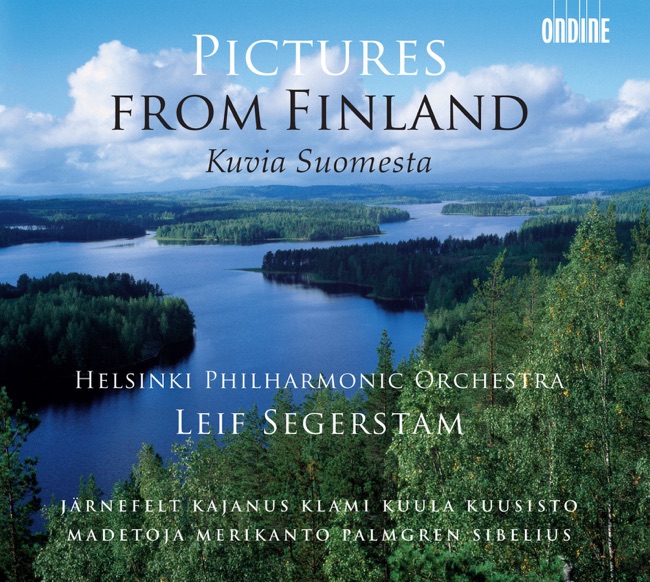 January 1, 2007
 -
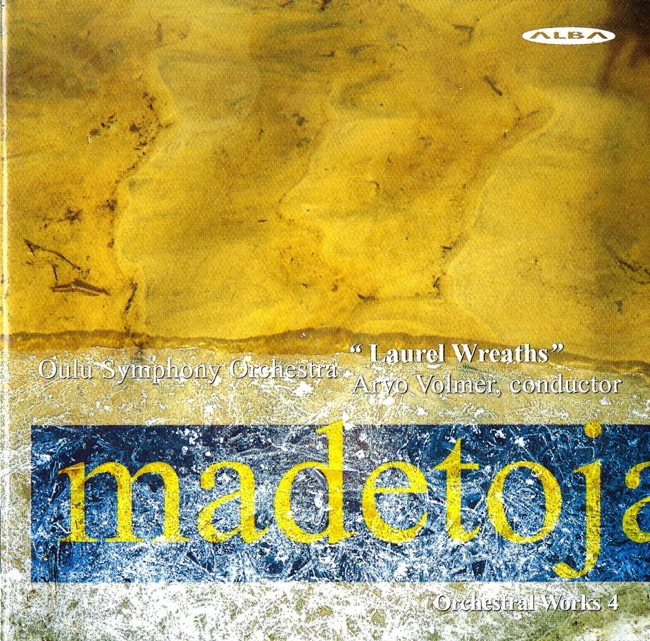 April 30, 2002
 -
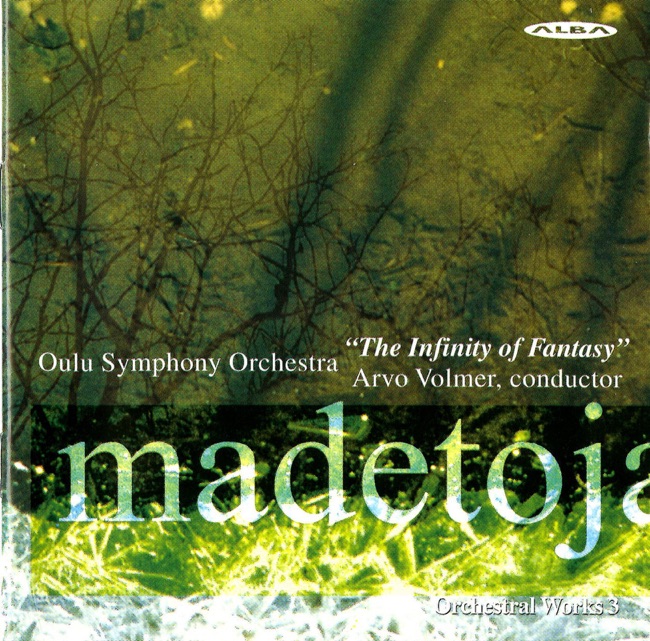 November 27, 2001
 -
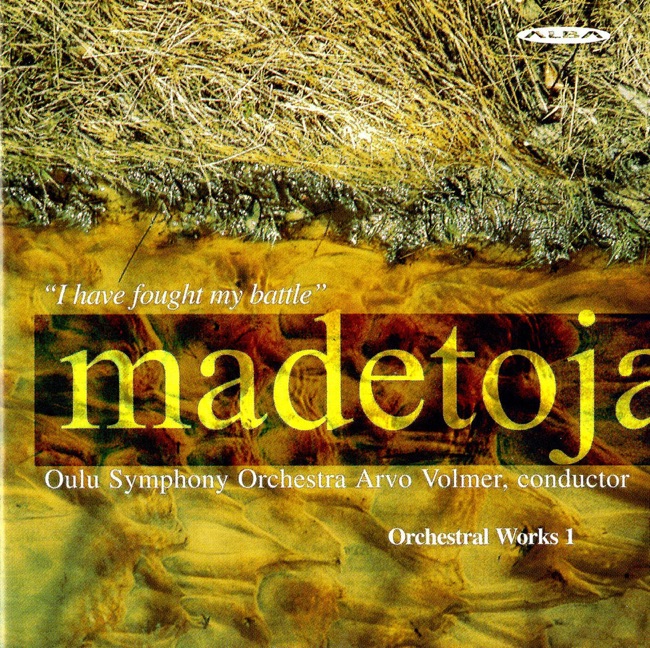 September 26, 2000
Symphony
-
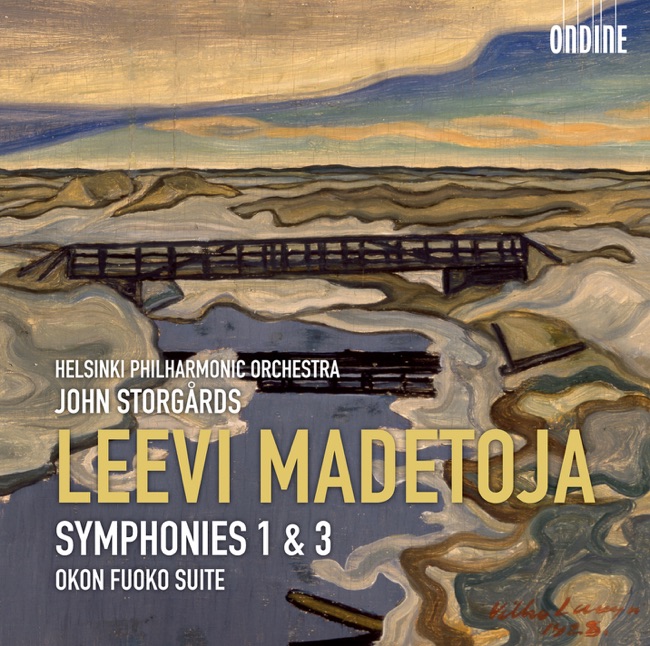 January 28, 2014
 -
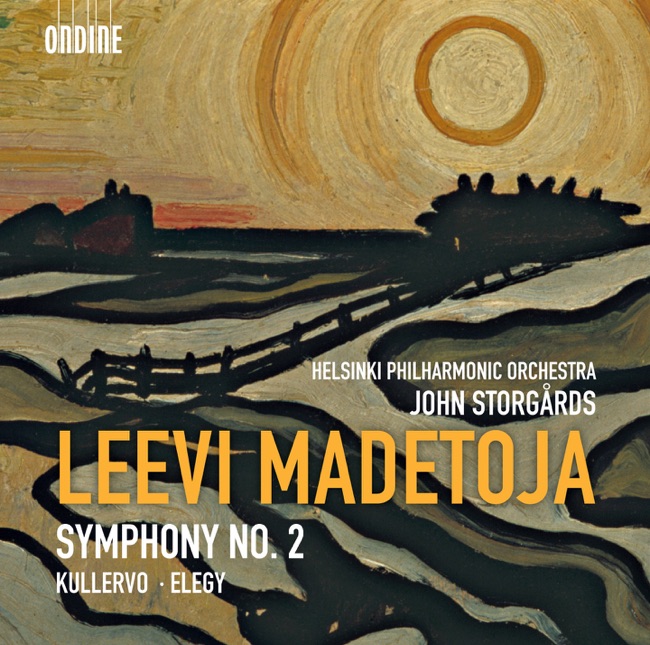 January 29, 2013
Choral
-
 February 12, 2013
 -
 November 2, 2012
 -
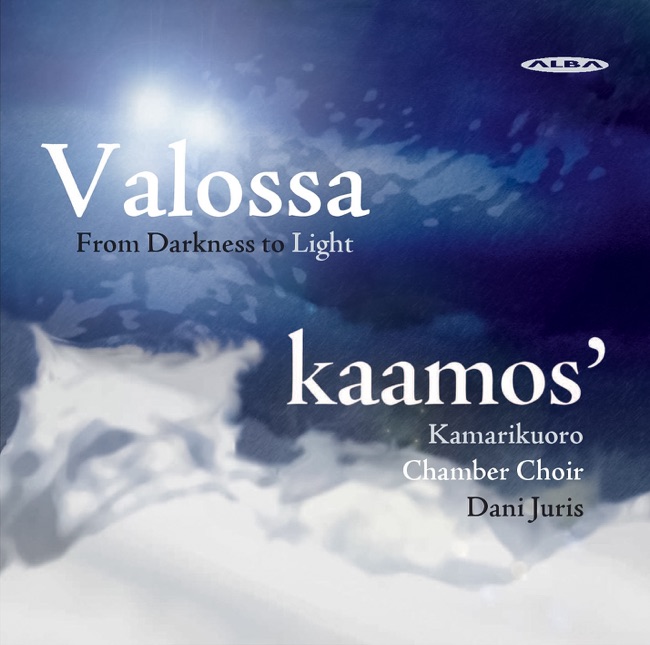 October 15, 2012
 -
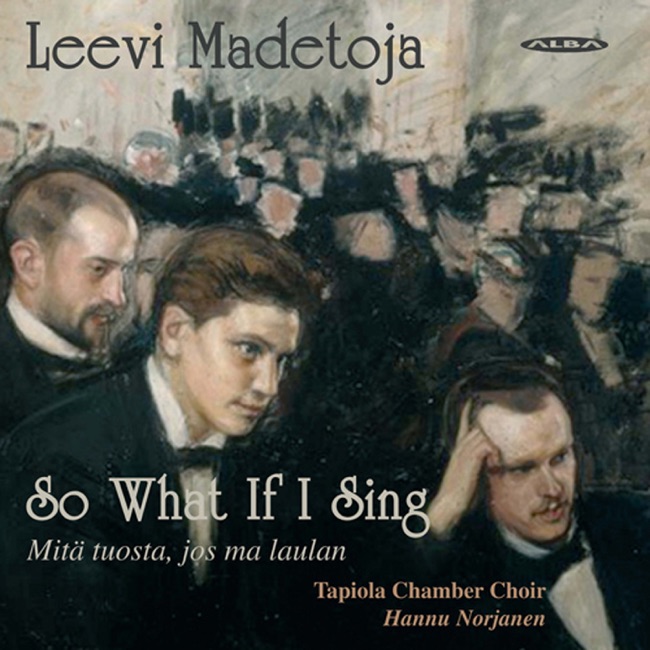 January 11, 2011
 -
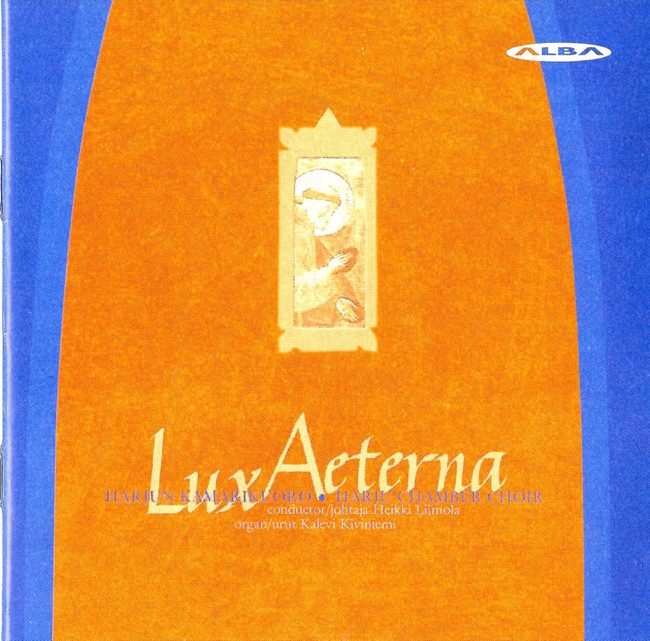 August 26, 2003
Artist Info
Role:ComposerCountry: FinlandBirth:February 17, 1887 in Oulu, FinlandDeath:October 6, 1947 in Helsinki, FinlandPeriod:ContemporaryModernGenre:ChoralSymphonyVocalLeevi Madetoja was a Finnish composer born on February 17, 1887, in Oulu, Finland. He was the son of a church musician and grew up in a musical family. Madetoja began his musical studies at a young age, learning to play the piano and violin. He later studied at the Helsinki Music Institute, where he was taught by the renowned composer Jean Sibelius. Madetoja's early works were heavily influenced by Sibelius, and he was often compared to his teacher. However, Madetoja soon developed his own unique style, which was characterized by a strong sense of melody and a deep emotional intensity. His music was often described as being both lyrical and dramatic, with a strong sense of Finnish national identity. Madetoja's first major work was his Symphony No. 1, which he composed in 1916. The symphony was well-received and helped establish Madetoja as one of Finland's leading composers. He went on to compose several more symphonies, including his Symphony No. 2, which is considered one of his greatest works. In addition to his symphonies, Madetoja also composed a number of operas, including The Ostrobothnians, which is based on a play by the Finnish writer Aleksis Kivi. The opera premiered in 1924 and was a great success, cementing Madetoja's reputation as a major composer. Madetoja's other notable works include his Violin Concerto, which was composed in 1926 and is considered one of the finest Finnish concertos of the 20th century. He also composed a number of choral works, including his Cantata No. 2, which was written in honor of the 10th anniversary of Finnish independence. Madetoja's music was deeply rooted in Finnish culture and often drew inspiration from Finnish folk music. He was also influenced by the natural beauty of his homeland, and his music often evokes the rugged landscapes of Finland. Madetoja's career was cut short by his untimely death in 1947 at the age of 60. However, his music continues to be celebrated in Finland and around the world. His works are regularly performed by orchestras and choirs, and he is considered one of Finland's greatest composers. In conclusion, Leevi Madetoja was a Finnish composer who made significant contributions to classical music in the 20th century. His music was characterized by a strong sense of melody and emotional intensity, and he drew inspiration from Finnish folk music and the natural beauty of his homeland. Despite his untimely death, Madetoja's music continues to be celebrated and performed today.More....
Recent Artist Music
2
4:17
3
2:53

10
As I set off one summer's night, Op. 57/1
Läksin minä kesäyönä käymään (I went on a summer night), Op. 57/1
2:30

Related Artists
Copyright Ⓒ 2013 Davinci Finger. All rights reseved
Service Terms & Policy