


Allan Wicks
Released Album
Choral
-
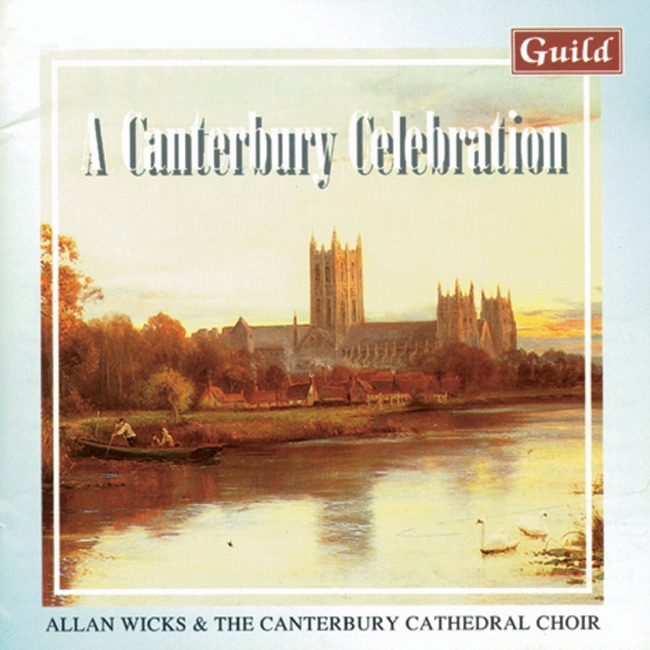 February 20, 1996
Keyboard
-
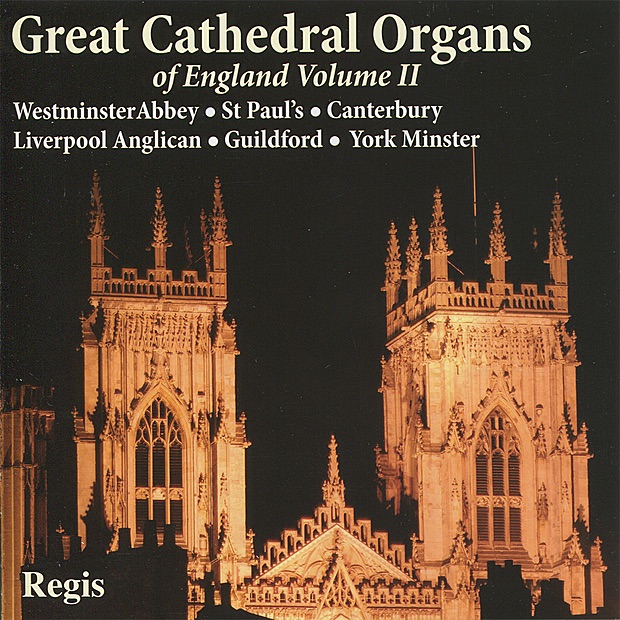 August 31, 2010
 -
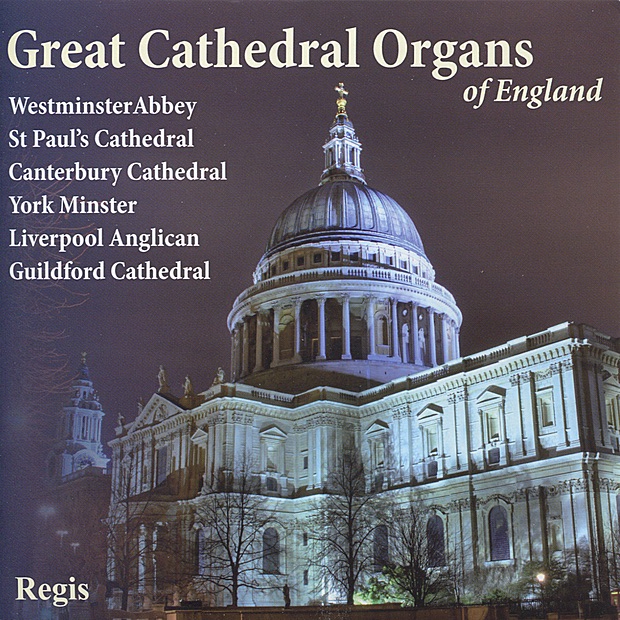 June 30, 2009
Artist Info
Role:ConductorBirth:June 6, 1923Death:February 4, 2010Period:RenaissanceRomanticGenre:ChoralAllan Wicks was a renowned classical music artist who made significant contributions to the world of music as an organist, conductor, and composer. Born on 8th March 1923 in Bristol, England, Wicks showed an early interest in music and began playing the piano at the age of six. He later switched to the organ and became a chorister at Bristol Cathedral, where he received his early musical training. Wicks continued his musical education at the Royal College of Music in London, where he studied under the tutelage of Ralph Vaughan Williams, Harold Darke, and Herbert Howells. He also studied with the famous French organist Marcel Dupré in Paris, where he honed his skills as an organist and composer. After completing his studies, Wicks began his career as an organist and conductor, performing in various churches and cathedrals across the UK. He was appointed as the organist and master of the choristers at Canterbury Cathedral in 1951, where he served for 23 years. During his tenure at Canterbury, Wicks established himself as one of the leading organists of his time, and his performances were highly acclaimed by critics and audiences alike. Wicks was also a prolific composer, and his works were performed by leading orchestras and choirs around the world. His compositions were known for their intricate harmonies and rich textures, and he was particularly renowned for his choral music. Some of his most famous works include "Magnificat and Nunc Dimittis," "Ave Verum Corpus," and "Te Deum." In addition to his work as an organist and composer, Wicks was also a respected conductor. He conducted numerous orchestras and choirs, including the London Philharmonic Orchestra, the Royal Philharmonic Orchestra, and the BBC Symphony Orchestra. He was also the conductor of the Canterbury Cathedral Choir, which under his leadership, became one of the most renowned choirs in the world. Wicks received numerous awards and accolades throughout his career, including the Order of the British Empire (OBE) in 1971 and the Queen's Silver Jubilee Medal in 1977. He was also awarded honorary doctorates from several universities, including the University of Kent and the University of Bristol. One of the highlights of Wicks' career was his performance at the coronation of Queen Elizabeth II in 1953. He played the organ during the ceremony at Westminster Abbey, which was broadcast to millions of people around the world. The performance was widely praised, and it cemented Wicks' reputation as one of the leading organists of his time. Another notable performance by Wicks was his rendition of Bach's "Passacaglia and Fugue in C minor" at the Royal Festival Hall in London in 1965. The performance was recorded and released on LP, and it became one of the best-selling classical recordings of the time. Wicks retired from his position at Canterbury Cathedral in 1974, but he continued to perform and compose music until his death in 2010. He was remembered as a pioneering musician who made significant contributions to the world of classical music, and his legacy continues to inspire generations of musicians and music lovers around the world.More....
Recent Artist Music
4
9:12

7
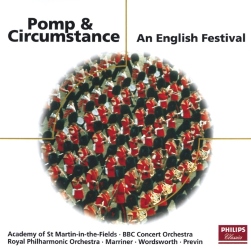
6:21
Copyright Ⓒ 2013 Davinci Finger. All rights reseved
Service Terms & Policy