


Otto Gerdes
Released Album
Opera
-
 January 1, 2014
 -
 March 18, 2013
 -
 March 4, 2013
 -
-
 January 1, 2005
 -
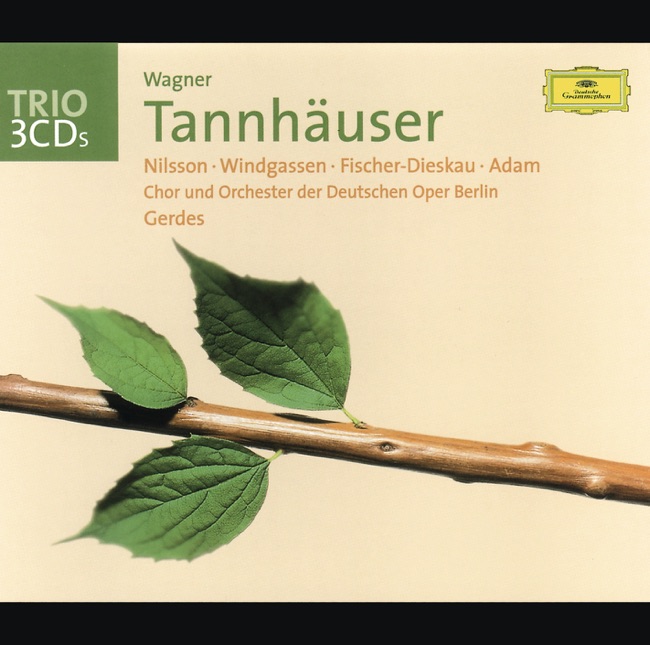 September 10, 2002
Vocal
-
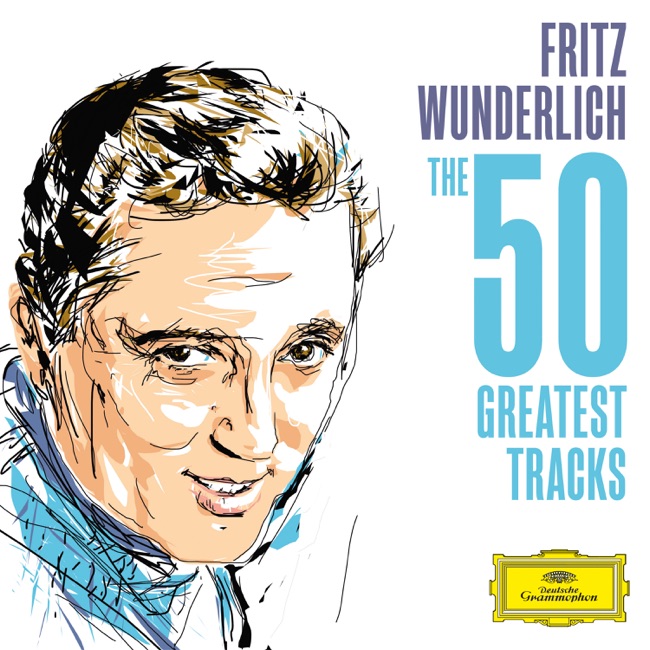 September 30, 2016
 -
 August 8, 2006
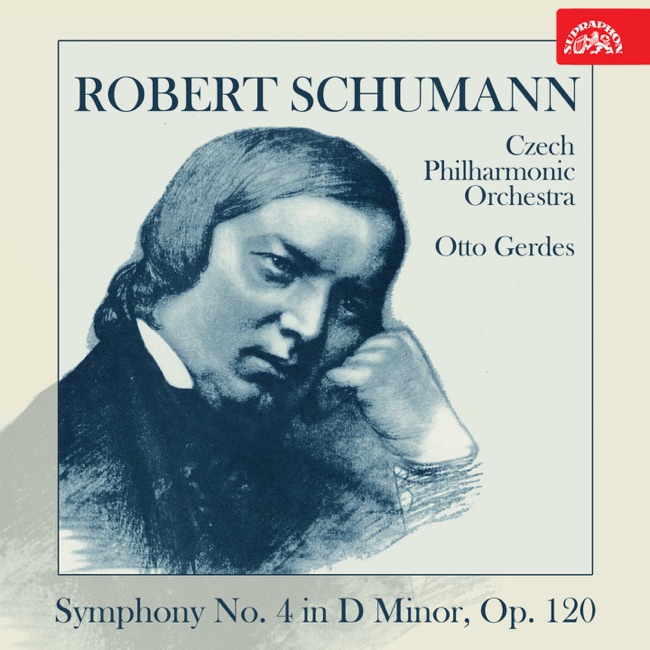
Symphony
Artist Info
Role:ConductorPeriod:ClassicalRomanticGenre:ConcertoSymphonyOtto Gerdes was a renowned classical music artist who made significant contributions to the world of music. He was born on August 22, 1920, in Hamburg, Germany. Gerdes was the son of a music teacher, and he grew up in a musical family. His father recognized his son's talent for music at an early age and encouraged him to pursue a career in music. Gerdes began his musical education at the age of six when he started taking piano lessons. He showed exceptional talent and quickly progressed in his studies. At the age of ten, he started playing the violin and soon became proficient in both instruments. Gerdes continued his musical education at the Hamburg Conservatory, where he studied under the guidance of renowned musicians such as Carl Flesch and Edwin Fischer. In 1938, Gerdes made his debut as a soloist with the Hamburg Philharmonic Orchestra, performing Mozart's Piano Concerto No. 20 in D minor. The performance was a huge success, and Gerdes received critical acclaim for his exceptional talent. He continued to perform with various orchestras in Germany and other European countries, establishing himself as one of the most promising young musicians of his time. In 1941, Gerdes was drafted into the German army and was sent to the Eastern Front. He continued to play music during his service, performing for his fellow soldiers and officers. However, his time in the army was cut short when he was wounded in battle and was sent back to Germany for medical treatment. After the war, Gerdes resumed his musical career and quickly established himself as one of the leading musicians of his generation. He performed with some of the most prestigious orchestras in Europe, including the Berlin Philharmonic, the Vienna Philharmonic, and the London Symphony Orchestra. He also collaborated with some of the most renowned conductors of his time, such as Herbert von Karajan, Wilhelm Furtwängler, and Leonard Bernstein. Gerdes was known for his exceptional technique and musicality, and his performances were always highly praised by critics and audiences alike. He was particularly renowned for his interpretations of the works of Mozart, Beethoven, and Brahms, and his recordings of these composers' works are still considered some of the best ever made. In addition to his career as a performer, Gerdes was also a respected music educator. He taught at various music schools and conservatories in Germany and other European countries, and his students included some of the most promising young musicians of the time. Gerdes received numerous awards and honors throughout his career, including the Order of Merit of the Federal Republic of Germany, the Grand Cross of the Order of Merit of the Republic of Austria, and the Order of the British Empire. He was also awarded the Brahms Prize in 1978 for his outstanding contributions to the interpretation of Brahms' music. Gerdes continued to perform and teach until his death on December 28, 1995, in Hamburg, Germany. He left behind a legacy as one of the greatest classical musicians of the 20th century, and his recordings and performances continue to inspire and influence musicians and music lovers around the world.More....
Recent Artist Music


7
6:27
11
Perpetuum Mobile (after Weber's Piano Sonata No. 1, Op. 24), TH 181
'Ein jeder kennt die Lieb' auf Erden'
6:12


Copyright Ⓒ 2013 Davinci Finger. All rights reseved
Service Terms & Policy