


Matthew Locke
Suite, for 3-part consort & continuo No. 7 in G minor/G major
Released Album
Recent Album

Works Info
Composer:Matthew LockeGenre:ChamberStyle:Chamber MusicCompose Date:1651Publication Date:1656Matthew Locke's Suite for 3-part consort and continuo No. 7 in G minor/G major is a Baroque composition that was composed in the mid-17th century. The exact date of composition is unknown, but it is believed to have been written between 1650 and 1670. The suite consists of six movements, each with its own unique characteristics and style. The suite opens with a Prelude in G minor, which is a slow and stately piece that sets the tone for the rest of the suite. The second movement is a lively and energetic Allemande in G major, which features intricate counterpoint and a lively dance rhythm. The third movement is a Sarabande in G minor, which is a slow and melancholic piece that showcases Locke's skill at creating beautiful and expressive melodies. The fourth movement is a lively and playful Gavotte in G major, which features a catchy melody and a lively dance rhythm. The fifth movement is a slow and expressive Chaconne in G minor, which is one of the most beautiful and memorable pieces in the suite. The final movement is a lively and energetic Jig in G major, which features a fast and lively dance rhythm and intricate counterpoint. Overall, Locke's Suite for 3-part consort and continuo No. 7 in G minor/G major is a beautiful and expressive Baroque composition that showcases Locke's skill at creating intricate and expressive melodies. The suite is characterized by its lively dance rhythms, intricate counterpoint, and beautiful melodies, and it remains a popular and beloved piece of Baroque music to this day.More....
Works Music
Released Music
1
3:0
2
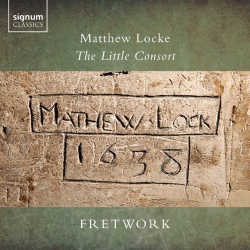
3:39
3
1:26
4

6:35
Main Perform Artists
Harpsichord
Viola da Gamba
Percussion
Baroque Violin
Soprano (Vocal)
Baroque Violin
Harp
Viola da Gamba
Cittern