


Matthew Locke
Released Album
Chamber
-
 October 11, 2024
 -
 January 26, 2024
 -
 November 11, 2022
 -
 February 4, 2022
 -
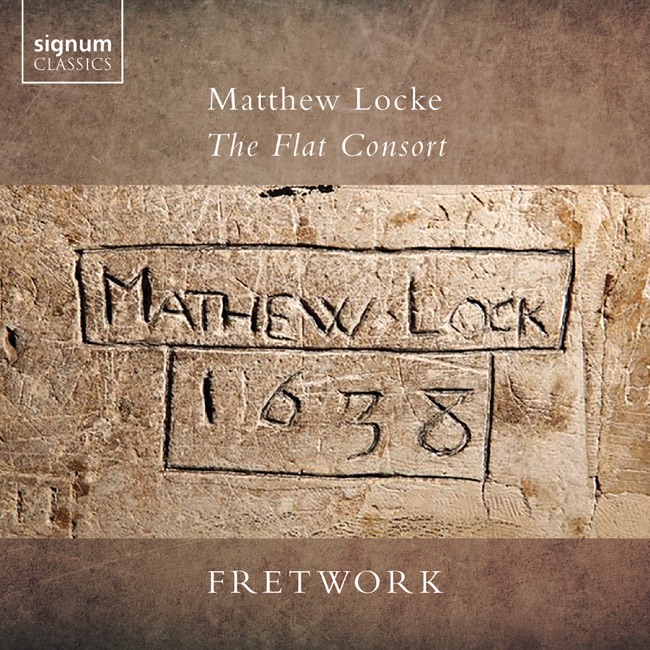 January 14, 2022
 -
 November 12, 2021
Orchestral
-
 January 8, 2016
 -
 February 24, 2015
 -
 June 29, 2004
Keyboard
-
 January 11, 2019
 -
-
 August 21, 2007
 -
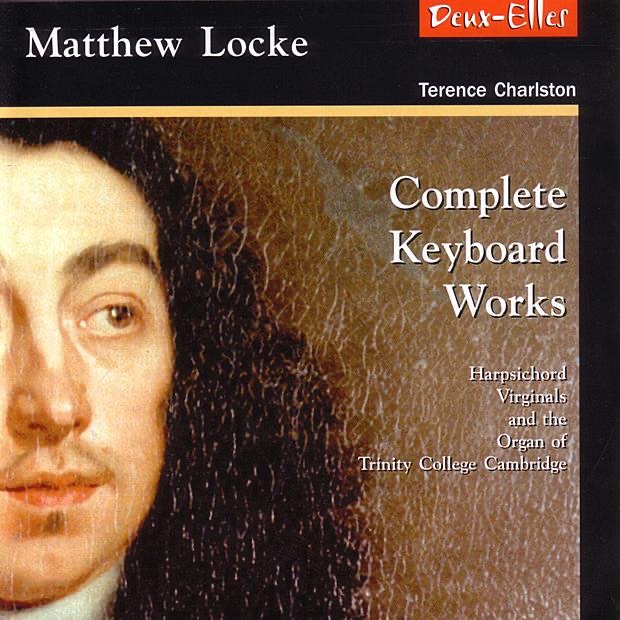 February 24, 2004
 -
 January 12, 1999
 -
 January 12, 1992
Vocal
-
 May 29, 2007
Artist Info
Role:ComposerCountry: United KingdomBirth:ca. 1621 in Exeter, Devon, EnglandDeath:August, 1677 in London, EnglandPeriod:BaroqueGenre:ChamberMatthew Locke was a prominent English composer of the Baroque era, known for his contributions to the development of English opera and instrumental music. He was born in Exeter, Devon, England in 1621, and little is known about his early life and musical training. However, it is believed that he received his education at the University of Oxford, where he may have studied with the renowned composer William Lawes. Locke's career as a musician began in the 1640s, when he was appointed as a musician in the court of Charles I. He served as a composer and performer in the royal court until the outbreak of the English Civil War in 1642, which forced him to flee to the Netherlands. During his time in exile, Locke continued to compose music and became associated with the English exiled court in The Hague. After the restoration of the monarchy in 1660, Locke returned to England and resumed his position as a court musician, this time under the patronage of Charles II. He was appointed as a composer for the King's Musick, a prestigious position that he held until his death in 1677. Locke's contributions to English music were significant, particularly in the development of English opera. He composed music for several operas, including "Psyche" (1675), which is considered to be the first English opera. The opera was a collaboration with playwright Thomas Shadwell, and was based on the myth of Cupid and Psyche. The music for "Psyche" was highly praised for its beauty and originality, and helped to establish Locke as a leading composer of his time. In addition to his work in opera, Locke was also known for his instrumental music. He composed several suites for string instruments, including the "Consort of Fower Parts" (1660), which is considered to be one of his most important works. The suite consists of six movements, each of which is based on a different dance form. The music is characterized by its lively rhythms, intricate counterpoint, and expressive melodies. Locke's other notable works include the "Music for His Majesty's Sackbuts and Cornetts" (1661), which was composed for the King's Musick, and the "Little Consort" (1656), a collection of pieces for violins, viols, and other instruments. He also composed music for several plays, including "The Tempest" (1667) and "Macbeth" (1673). Despite his contributions to English music, Locke's legacy was somewhat overshadowed by the rise of Italian opera in the late 17th century. However, his influence can still be seen in the works of later English composers, such as Henry Purcell and George Frideric Handel. In conclusion, Matthew Locke was a significant figure in the development of English music during the Baroque era. His contributions to English opera and instrumental music helped to establish him as one of the leading composers of his time, and his influence can still be felt in the works of later composers. Despite his relatively short life, Locke's legacy continues to be celebrated by musicians and music lovers around the world.More....
Recent Artist Music
1
9:44
2
9:26

7
2:33
8
4:23
9
40
10
4:16
12
3:6

15
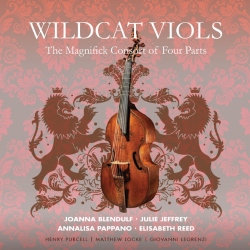
4:30






Related Artists
Copyright Ⓒ 2013 Davinci Finger. All rights reseved
Service Terms & Policy