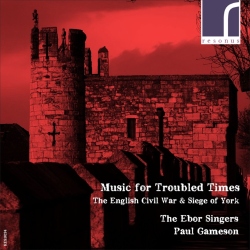
Matthew Locke
How Doth the City Sit Solitary
Released Album
Recent Album
Featured Album
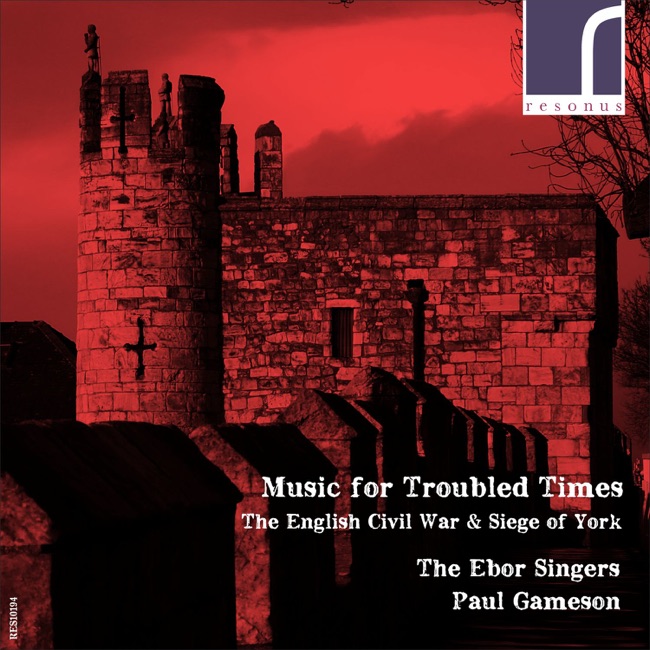
Works Info
Composer:Matthew LockeGenre:ChoralStyle:Part SongCompose Date:before 1678Publication Date:1976Average_duration:8:58Matthew Locke's "How Doth the City Sit Solitary" is a sacred choral work that was composed in the mid-17th century. The piece was first performed in 1677 at the Chapel Royal in London, England. It is a multi-movement work that is characterized by its use of polyphony, intricate harmonies, and expressive text painting. The piece is divided into five movements, each of which sets a different section of the biblical text from the Book of Lamentations. The first movement, "How Doth the City Sit Solitary," sets the opening verses of the text and features a somber, mournful melody that is sung by the choir in unison. The second movement, "She Weepeth Bitterly in the Night," is a more complex piece that features intricate harmonies and a more varied texture. The third movement, "Judah is Gone into Captivity," is a slower, more contemplative piece that features a solo voice singing the text over a simple, chordal accompaniment. The fourth movement, "All Her Gates are Desolate," is a more dramatic piece that features a faster tempo and more complex harmonies. The final movement, "Jerusalem, Jerusalem, Return Unto the Lord," is a triumphant piece that features a joyful melody and a more celebratory tone. Overall, "How Doth the City Sit Solitary" is a powerful and expressive work that showcases Locke's skill as a composer. The piece is notable for its use of polyphony and intricate harmonies, as well as its expressive text painting and use of contrasting textures. It remains a popular work in the choral repertoire to this day.More....
Works Music
Released Music
Featured Music