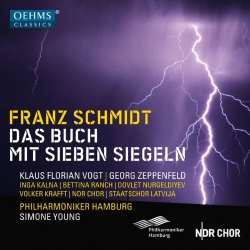
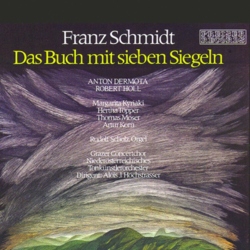
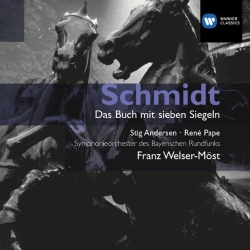
Franz Schmidt
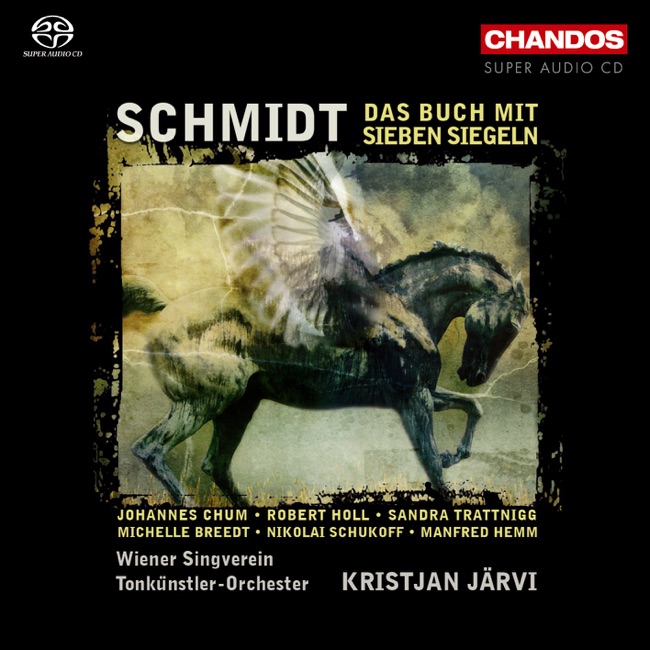
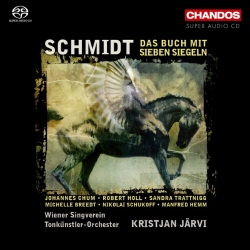
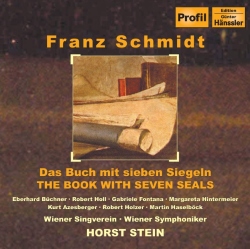
Das Buch mit sieben Siegeln
Released Album
Recent Album
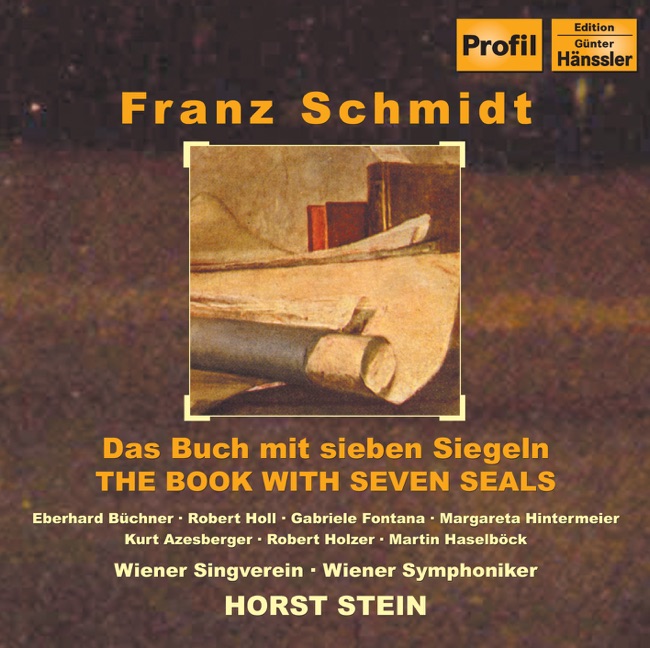
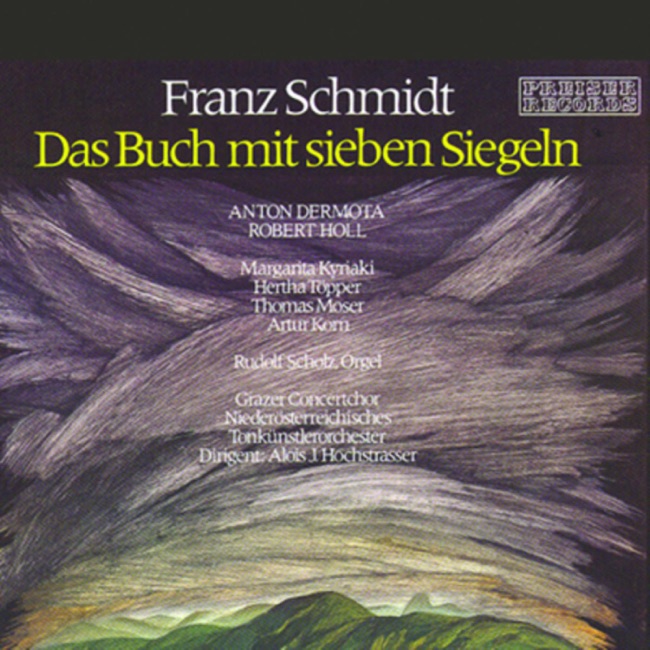
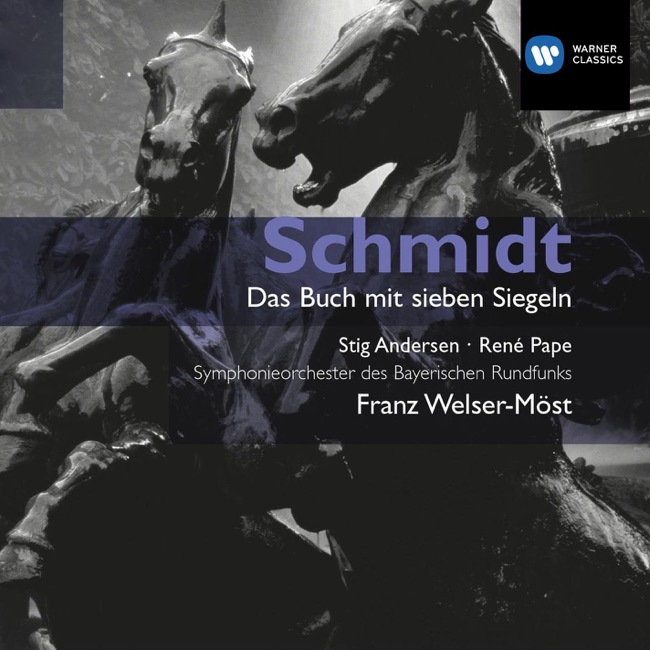
Featured Album
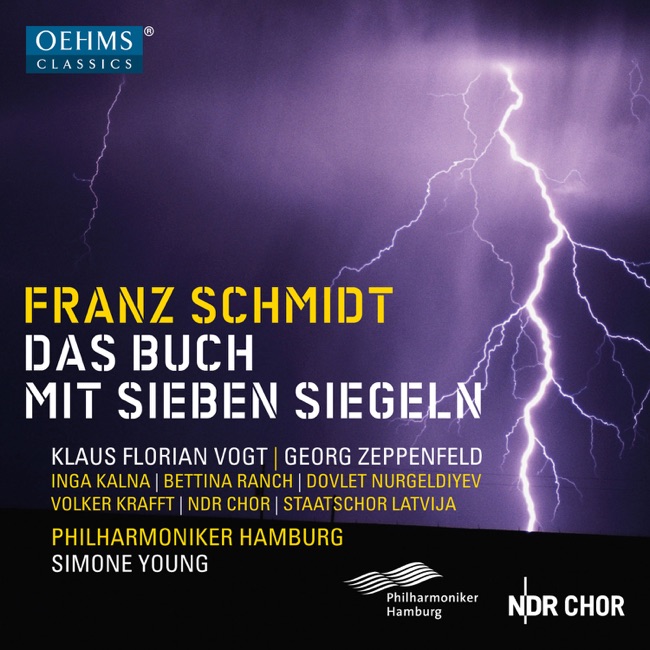
Works Info
Composer:Franz SchmidtGenre:ChoralStyle:OratorioAverage_duration:111:44Movement_count:24Movement ....Das Buch mit sieben Siegeln (The Book with Seven Seals) is an oratorio composed by Franz Schmidt between 1935 and 1937. The work is based on the biblical Book of Revelation and is considered one of the composer's most significant works. It premiered on June 15, 1938, in Vienna, Austria, with the Vienna Philharmonic Orchestra and the Vienna State Opera Chorus under the direction of Felix Weingartner. The oratorio is divided into three parts, each with several movements. The first part depicts the opening of the seven seals and the appearance of the four horsemen of the apocalypse. The second part focuses on the struggle between good and evil, with the portrayal of the woman clothed with the sun and the dragon. The final part describes the triumph of the Lamb and the establishment of the new Jerusalem. Schmidt's music is characterized by its rich harmonies, complex counterpoint, and use of leitmotifs. The work features a large orchestra, including a large percussion section, and a chorus. The soloists include a soprano, alto, tenor, and bass. The opening movement, "Das Gericht," sets the tone for the entire work with its ominous and foreboding atmosphere. The second movement, "Der Tag des Zorns," features the four horsemen of the apocalypse, each represented by a different instrument. The third movement, "Das Weltgericht," is a powerful depiction of the final judgment, with the chorus singing of the "great white throne" and the "books that were opened." The second part of the oratorio begins with the movement "Die Frau und der Drache," which features a solo soprano singing of the woman clothed with the sun and the dragon. The movement is followed by "Der Kampf Michaels," which depicts the struggle between good and evil. The final movement of the second part, "Das Lamm auf dem Berge Zion," is a beautiful and serene depiction of the Lamb on Mount Zion. The final part of the oratorio begins with "Die neue Welt," which describes the establishment of the new Jerusalem. The movement is followed by "Die himmlische Stadt," which features a solo soprano singing of the beauty of the heavenly city. The final movement, "Das grosse Halleluja," is a triumphant and joyful celebration of the Lamb's victory over evil. Overall, Das Buch mit sieben Siegeln is a powerful and moving work that showcases Schmidt's mastery of orchestration and choral writing. Its themes of judgment, redemption, and the triumph of good over evil continue to resonate with audiences today.More....
Works Music
Released Music
Featured Music