Heinrich Schütz
Fili Mi, Absalon, SWV 269 (Op. 6/13)
Released Album
Recent Album




Works Info
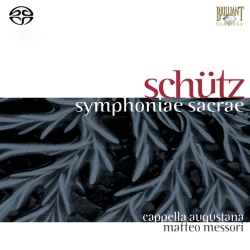
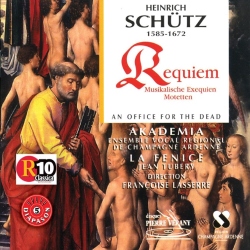
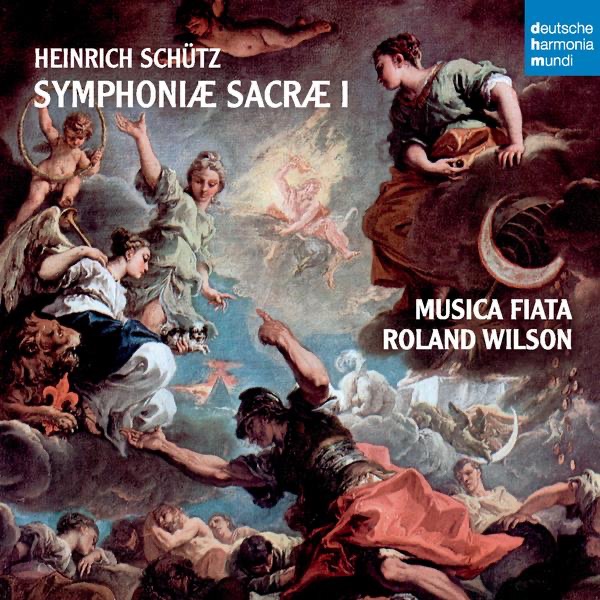
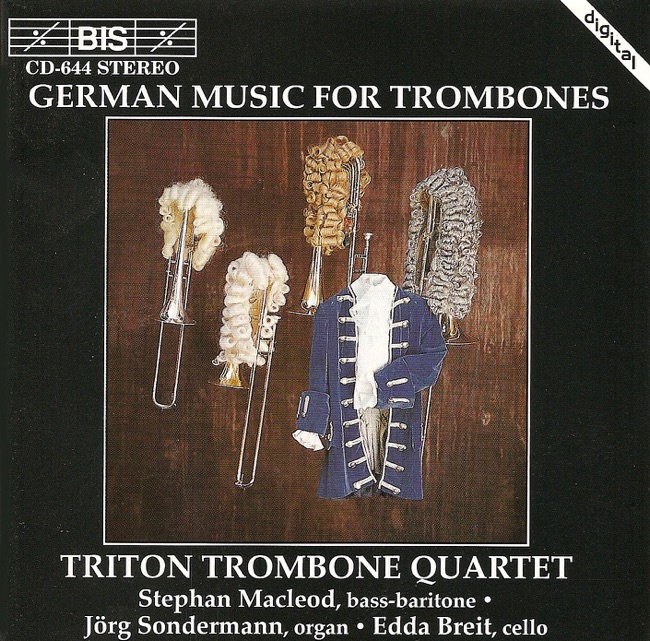
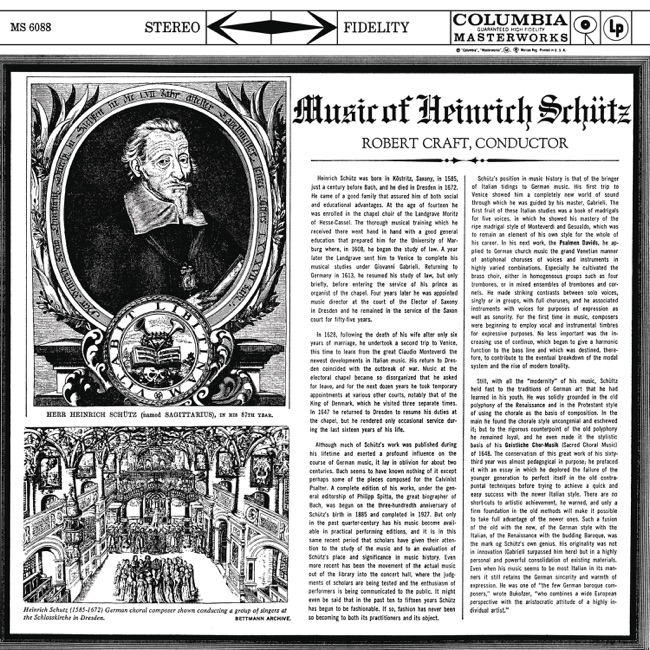
Composer:Heinrich SchützGenre:ChoralStyle:MotetPublication Date:1629Average_duration:6:34Heinrich Schütz's 'Fili Mi, Absalon, SWV 269 (Op. 6/13)' is a sacred choral work composed in the early 17th century. The piece is part of Schütz's 'Symphoniae Sacrae', a collection of sacred works that he composed during his time as Kapellmeister in Dresden. 'Fili Mi, Absalon' is a setting of Psalm 3, which tells the story of King David's flight from his son Absalom, who had rebelled against him. The piece is divided into three movements, each of which reflects a different aspect of the psalm. The first movement is a mournful lament, with the choir singing in a slow and somber manner. The music is characterized by its use of dissonance and chromaticism, which create a sense of tension and unease. The text of the psalm is set in a homophonic style, with the choir singing in unison for much of the movement. The second movement is more upbeat, with the choir singing in a lively and rhythmic manner. The music is characterized by its use of syncopation and polyphony, which create a sense of energy and movement. The text of the psalm is set in a more complex and varied manner, with the choir singing in different parts and with different rhythms. The third movement is a triumphant declaration of faith, with the choir singing in a bold and confident manner. The music is characterized by its use of fanfare-like motifs and homophonic textures, which create a sense of grandeur and majesty. The text of the psalm is set in a simple and straightforward manner, with the choir singing in unison for much of the movement. 'Fili Mi, Absalon' was premiered in Dresden in the early 17th century, and has since become one of Schütz's most famous and beloved works. The piece is notable for its use of chromaticism, polyphony, and homophony, which reflect Schütz's innovative approach to sacred music.More....
Works Music
Released Music
1
5:51