Ottorino Respighi
E se un giorno tornasse, P. 96
Released Album
Recent Album

Works Info
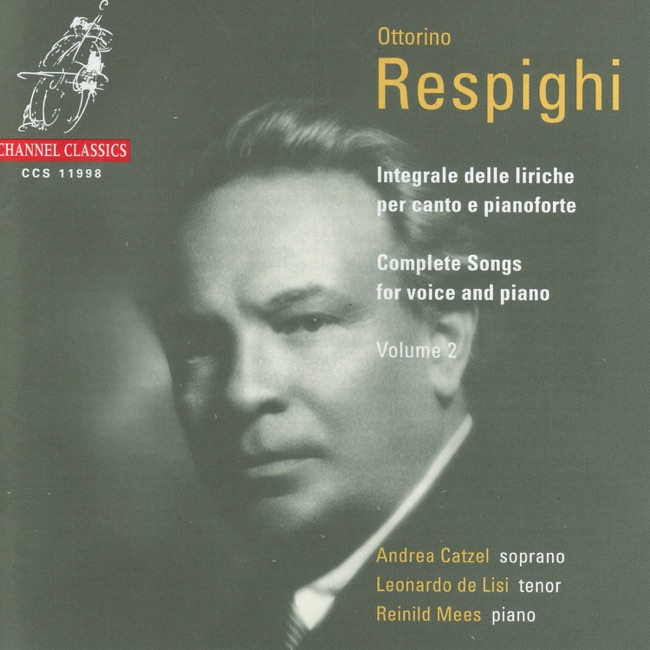
Composer:Ottorino RespighiGenre:VocalStyle:Vocal MusicCompose Date:1911Average_duration:2:26"E se un giorno tornasse, P. 96" is a composition by Italian composer Ottorino Respighi. It was composed in 1917 and premiered on March 10, 1918, in Rome, Italy. The piece is a song cycle consisting of three movements, each with its own distinct characteristics. The first movement, "E se un giorno tornasse," is a slow and melancholic piece that features a solo voice accompanied by piano. The lyrics, written by Italian poet Gabriele D'Annunzio, tell the story of a lover who longs for the return of their beloved. The music is characterized by its use of chromaticism and dissonance, which create a sense of tension and longing. The second movement, "L'ultima canzone," is a more upbeat and lively piece that features a solo voice accompanied by a small orchestra. The lyrics, also written by D'Annunzio, tell the story of a lover who is saying goodbye to their beloved. The music is characterized by its use of folk-like melodies and dance rhythms, which create a sense of joy and celebration. The third and final movement, "Nevicata," is a slow and atmospheric piece that features a solo voice accompanied by piano. The lyrics, written by Italian poet Ada Negri, describe a snowstorm and the feelings of isolation and loneliness that it brings. The music is characterized by its use of impressionistic harmonies and textures, which create a sense of mystery and wonder. Overall, "E se un giorno tornasse, P. 96" is a beautiful and evocative song cycle that showcases Respighi's skill as a composer. The piece is notable for its use of poetry as a source of inspiration and its ability to capture the emotions and moods of the text through music.More....
Works Music
Released Music