


Claude Debussy
Chansons de Bilitis, L. 96
Released Album
Recent Album

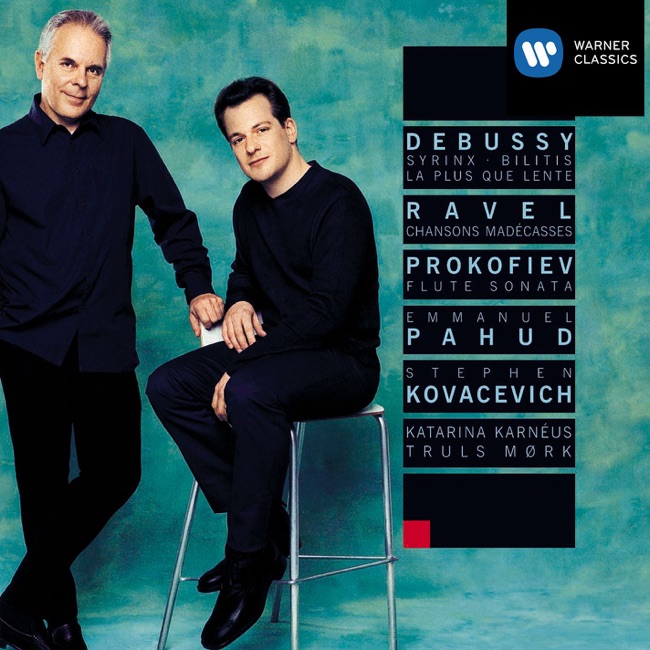
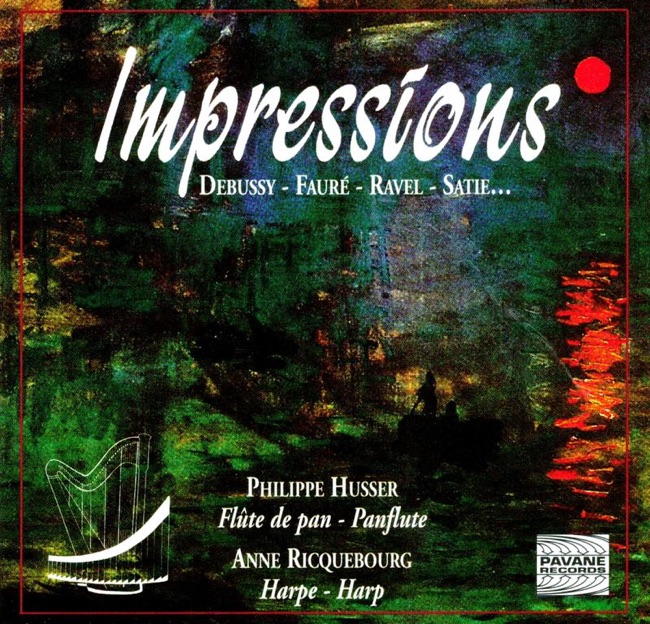
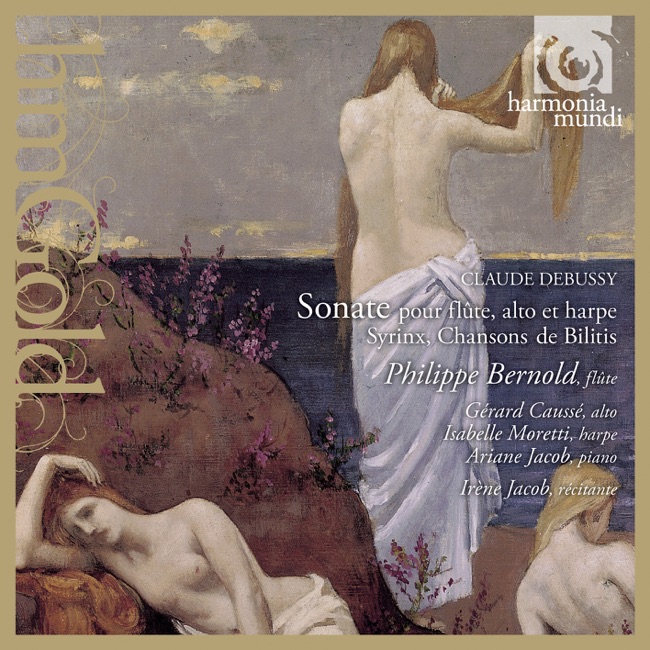
Featured Album
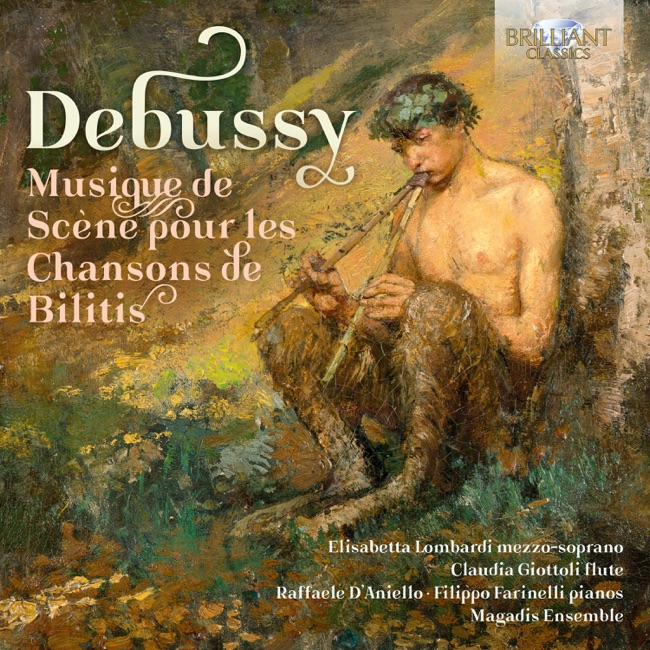
Works Info
Composer:Claude DebussyGenre:OrchestralStyle:OrchestralCompose Date:1900 - 1901Average_duration:17:04Movement_count:12Movement ....Chansons de Bilitis, L. 96 is a song cycle composed by Claude Debussy in 1897. The cycle is based on a collection of prose poems by Pierre Louÿs, which were presented as translations of ancient Greek poems by a woman named Bilitis. The poems were actually a fabrication by Louÿs, but they were widely believed to be authentic at the time. The premiere of Chansons de Bilitis took place on January 22, 1900, at the Salle Érard in Paris. The cycle consists of three songs, each of which is divided into several sections. The first song, "La flûte de Pan," is divided into five sections, while the second song, "La chevelure," is divided into six sections. The final song, "Le tombeau des naïades," is divided into four sections. The first song, "La flûte de Pan," is characterized by its use of pentatonic scales and modal harmonies, which give it a distinctly exotic flavor. The song is also notable for its use of extended techniques, such as flutter-tonguing and harmonics, on the flute part. The second song, "La chevelure," is more lyrical and romantic in character, with a flowing melody and lush harmonies. The final song, "Le tombeau des naïades," is more introspective and melancholy, with a haunting melody and sparse, impressionistic harmonies. Overall, Chansons de Bilitis is a prime example of Debussy's musical style, which was characterized by its use of exotic scales and harmonies, impressionistic textures, and innovative use of instrumental color. The cycle is also notable for its use of poetry as a source of inspiration, which was a departure from the traditional approach to songwriting at the time.More....
Works Music
Released Music


10
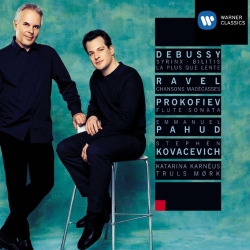
Songs of Bilitis, L. 96
I, Pour invoquer Pan, dieu vent d'été (For the invocation of Pan, god
2:28
Featured Music
4
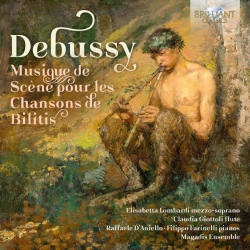
2:11
6
1:39