


Jean Sibelius
Kuolema (I), Op. 44
Released Album
Recent Album






Featured Album
Works Info
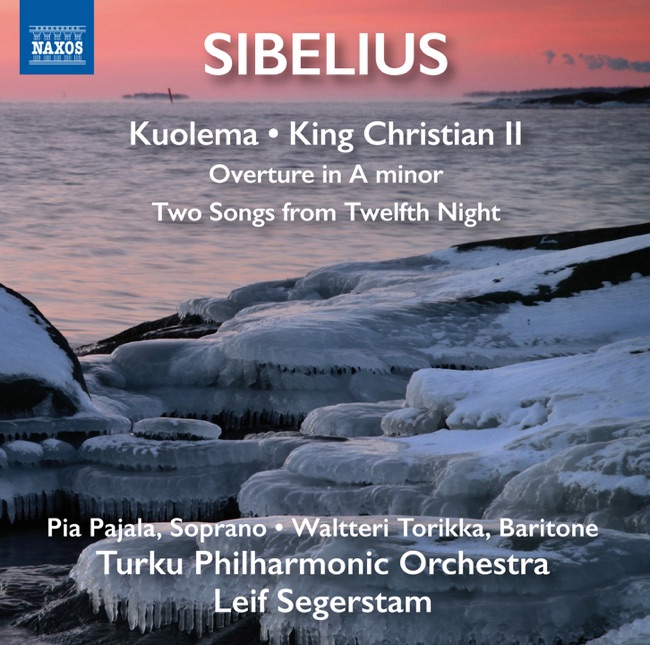
Composer:Jean SibeliusGenre:OrchestralStyle:Incidental MusicCompose Date:1903Average_duration:20:12Movement_count:6Movement ....Kuolema (I), Op. 44 is a composition by the Finnish composer Jean Sibelius. It was composed in 1903 and premiered on December 2, 1903, in Helsinki, Finland. The piece consists of four movements and has a total duration of approximately 20 minutes. The first movement, titled "Valse triste," is perhaps the most well-known of the four. It is a hauntingly beautiful waltz that is characterized by its melancholic melody and delicate orchestration. The piece begins with a soft, mournful melody played by the strings, which is then joined by the woodwinds and eventually the full orchestra. The waltz gradually builds in intensity before fading away into a quiet, somber conclusion. The second movement, "Scene with Cranes," is a more subdued piece that features a solo cello accompanied by the orchestra. The music is meant to evoke the image of cranes flying over a misty landscape, and the cello's mournful melody perfectly captures the sense of longing and melancholy that this image conveys. The third movement, "The Death of Melisande," is a dramatic and intense piece that features a full orchestra. The music is meant to accompany a scene from the play "Pelleas and Melisande" by Maurice Maeterlinck, in which Melisande dies. The music is characterized by its dark, brooding atmosphere and its use of dissonant harmonies. The final movement, "Valse romantique," is a lively and upbeat waltz that provides a stark contrast to the previous movement. The music is characterized by its playful melody and its use of syncopated rhythms. The piece ends with a triumphant flourish, bringing the composition to a satisfying conclusion. Overall, Kuolema (I), Op. 44 is a masterful composition that showcases Sibelius's skill as a composer. The piece is characterized by its haunting melodies, lush orchestration, and evocative imagery, and it remains a beloved work in the classical repertoire to this day.More....
Works Music
Released Music







Featured Music

Main Perform Artists