


Dietrich Buxtehude
Praeludium for organ in the Phrygian Mode, BuxWV 152
Released Album
Recent Album

Works Info
Composer:Dietrich BuxtehudeGenre:KeyboardStyle:PreludeAverage_duration:4:27Dietrich Buxtehude's 'Praeludium for organ in the Phrygian Mode, BuxWV 152' is a stunning example of Baroque organ music. The piece was composed in the late 17th century, around 1690, and was likely premiered in Buxtehude's home city of Lübeck, Germany. The 'Praeludium' is a single-movement work that is characterized by its use of the Phrygian mode, a musical mode that was popular in the Baroque era for its exotic and mysterious sound. The piece begins with a slow, solemn introduction that sets the mood for the rest of the work. The main body of the piece is a series of virtuosic passages that showcase the capabilities of the organ. One of the most striking features of the 'Praeludium' is its use of dissonance. Buxtehude was known for his bold and experimental approach to harmony, and this piece is no exception. The dissonant chords and unexpected harmonic shifts create a sense of tension and drama that is characteristic of Baroque music. Another notable aspect of the 'Praeludium' is its use of pedal points. A pedal point is a sustained note in the bass that provides a foundation for the rest of the music. Buxtehude uses pedal points throughout the piece to create a sense of stability and grounding amidst the complex harmonies and virtuosic passages. Overall, Buxtehude's 'Praeludium for organ in the Phrygian Mode, BuxWV 152' is a masterpiece of Baroque organ music. Its use of the Phrygian mode, dissonance, and pedal points create a sense of drama and tension that is both thrilling and awe-inspiring.More....
Works Music
Released Music
1
4:17
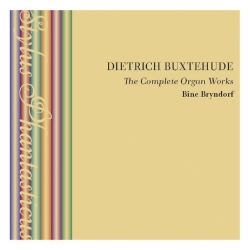
3
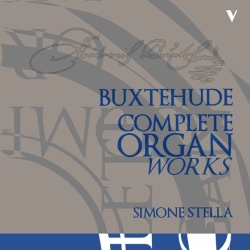
4:46
4
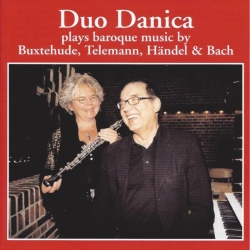
1:12
5

4:46
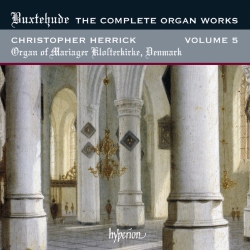
7
3:34
9
4:16
10
1:16