


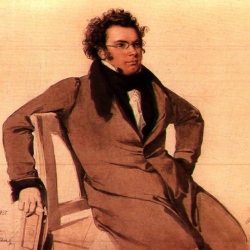
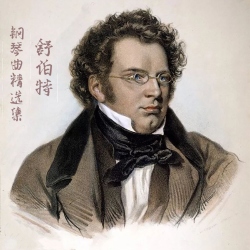
Franz Schubert
Gesang, D. 891, Op. 106/4
Released Album
Recent Album


Featured Album
Works Info
Composer:Franz SchubertGenre:VocalStyle:SongCompose Date:1826Average_duration:3:00Gesang, D. 891, Op. 106/4 is a Lied composed by Franz Schubert in 1828, just a few months before his death. The piece is also known as "Der Tod und das Mädchen" (Death and the Maiden) and is one of Schubert's most famous and haunting compositions. The piece premiered on February 1, 1829, at a private concert in Vienna, where it was performed by the baritone singer Johann Michael Vogl and Schubert himself on the piano. The song is set to a poem by Matthias Claudius, which tells the story of a young maiden who is visited by Death and pleads with him to spare her life. The piece is composed in four movements, each of which is characterized by its own unique mood and style. The first movement is slow and mournful, with a simple and repetitive piano accompaniment that sets the tone for the rest of the piece. The second movement is more lively and upbeat, with a faster tempo and a more complex piano part that reflects the maiden's fear and desperation as she pleads with Death. The third movement is slower and more contemplative, with a haunting melody that captures the maiden's resignation to her fate. The final movement is the most dramatic and intense, with a powerful piano accompaniment that builds to a climactic ending as Death claims the maiden's soul. Overall, Gesang, D. 891, Op. 106/4 is a masterpiece of Schubert's late period, showcasing his ability to capture complex emotions and tell a powerful story through music. The piece has been widely performed and recorded by many of the world's greatest singers and pianists, and remains a beloved and iconic work of the classical repertoire.More....
Works Music
Released Music


5
3:5
6
3:5
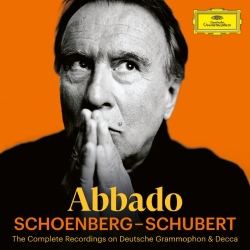
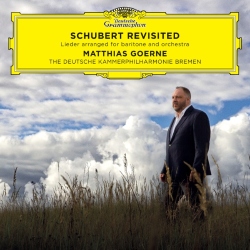
Featured Music
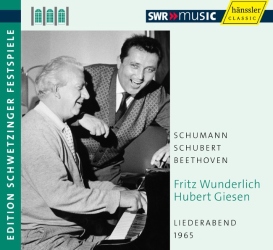




Main Perform Artists
Soprano Vocal
Piano
Piano
Baritone Vocal
Tenor Vocal
Vocals
Piano
Piano
Piano
Piano
Piano
Mezzo-Soprano Vocal
Baritone (Vocal)
Piano
Soprano Vocal