


Johann Sebastian Bach
Cantata No. 12 "Weinen, Klagen, Sorgen, Zagen", BWV 12
Released Album
Recent Album
Featured Album
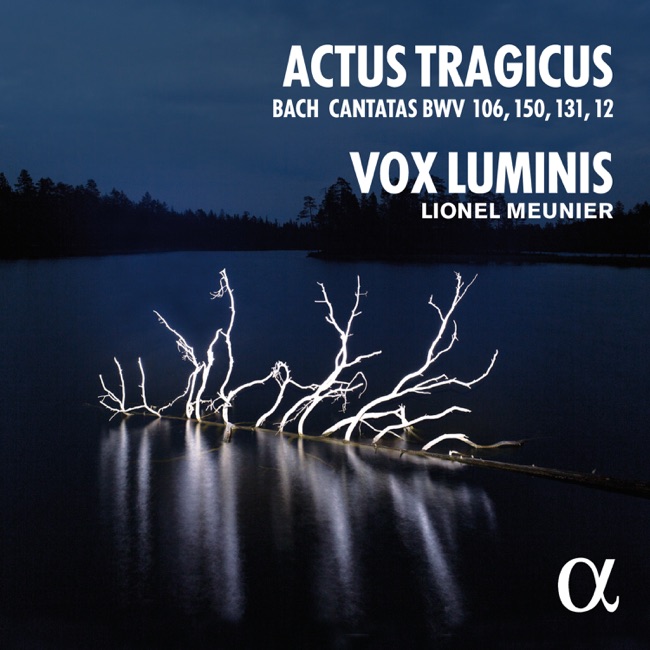
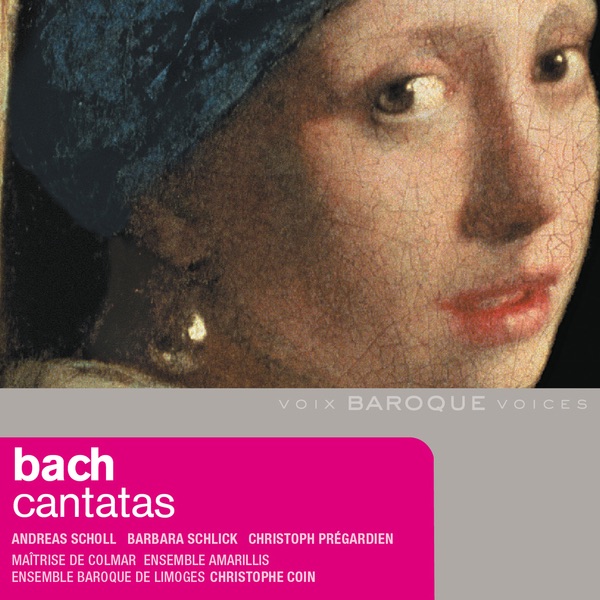
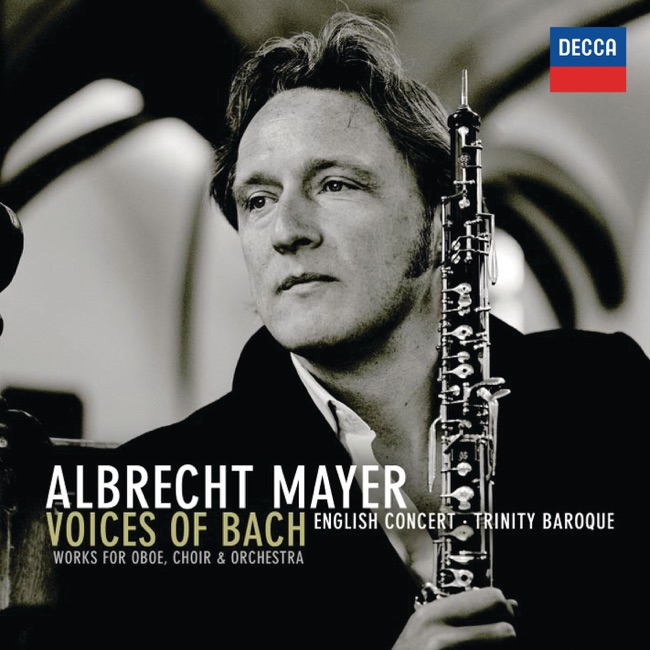
Works Info
Composer:Johann Sebastian BachGenre:ChoralStyle:CantataCompose Date:Apr 22, 1714Publication Date:1852First Performance:Apr 22, 1714Average_duration:23:40Movement_count:7Movement ....Johann Sebastian Bach composed Cantata No. 12, Weinen, Klagen, Sorgen, Zagen, BWV 12, in 1714 during his tenure as the court musician in Weimar. The cantata premiered on Jubilate Sunday, the third Sunday after Easter, on April 22, 1714, at the court chapel in Weimar. The cantata consists of seven movements, including an opening sinfonia, four arias, a recitative, and a closing chorale. The text is based on a hymn by Johann Jakob Rambach, which reflects on the suffering and sorrow of Christ's followers and their hope for salvation. The opening sinfonia is a somber and mournful instrumental piece, featuring a descending chromatic melody that sets the tone for the entire cantata. The first aria, "Weinen, Klagen, Sorgen, Zagen" (Weeping, lamenting, worrying, fearing), is a powerful and emotional piece for alto soloist, accompanied by a mournful oboe melody. The second aria, "Kreuz und Krone sind verbunden" (Cross and crown are united), is a duet for soprano and tenor, featuring a joyful and uplifting melody that contrasts with the previous aria. The third aria, "Ich folge Christo nach" (I follow Christ), is a solo for bass, accompanied by a lively and energetic violin melody. The fourth aria, "Sei getreu, alle Pein" (Be faithful, all pain), is a duet for alto and tenor, featuring a beautiful and serene melody that expresses the hope and comfort of faith. The recitative, "Wir haben hier keine bleibende Statt" (We have no lasting home here), is a spoken section that reflects on the transience of life and the hope of eternal salvation. The closing chorale, "Jesu, deine Passion ist mir lauter Freude" (Jesus, your passion is pure joy to me), is a joyful and triumphant hymn that celebrates the victory of Christ over death and sin. Overall, Cantata No. 12 is a powerful and emotional work that reflects on the suffering and hope of Christ's followers. The cantata features a wide range of musical styles and emotions, from mournful and somber to joyful and triumphant, and showcases Bach's mastery of vocal and instrumental composition.More....
Works Music
Released Music
1
4:36
2
14:38
3
2:49
5

2:33
6
2:48
7
Cantata no. 12 "crying, lamenting, worrying, hesitating", BWV 12
'Was Gott tut, das ist wohlgetan'
1:26
8
2:33
9
2:16
10
Cantata no. 12 "crying, lamenting, worrying, hesitating", BWV 12
'Kreuz und Kronen sind verbunden'
5:9
Featured Music
1
Cantata no. 12 "crying, lamenting, worrying, hesitating", BWV 12
(Coro.) Weinen, Klagen, Sorgen, Zagen
6:2
4
Cantata no. 12 "crying, lamenting, worrying, hesitating", BWV 12
Was Gott tut, das ist wohlgetan
1:25
5
2:47
6
2:27
7
Cantata no. 12 "crying, lamenting, worrying, hesitating", BWV 12
II. Chorus Weinen, Klagen, Sorgen, Zagen
7:
8
Cantata no. 12 "crying, lamenting, worrying, hesitating", BWV 12
III. Recitative Wir Müssen Durch Viel Trübsal
41
9
Cantata no. 12 "crying, lamenting, worrying, hesitating", BWV 12
IV. Aria Kreuz Und Kronen Sind Verbunden
6:53
10
Cantata no. 12 "crying, lamenting, worrying, hesitating", BWV 12
V. Aria Ich Folge Christo Nach
2:18
11
Cantata no. 12 "crying, lamenting, worrying, hesitating", BWV 12
VI. Aria Sei Getreu, Alle Pein, VII. Chorale Was Gott Tut, Das Ist Wohlgetan
5:13
12
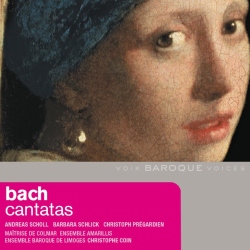
Cantata no. 12 "crying, lamenting, worrying, hesitating", BWV 12
Aria "Kreuz und Krone sind verbunden" alto, hautbois et basse continue
4:39

Main Perform Artists
Alto (Vocals)
Bass (Vocal)
Tenor (Vocal)
Counter Tenor Vocal