


Béla Bartók
Music for Strings, Sz. 106
Released Album
Recent Album




Featured Album

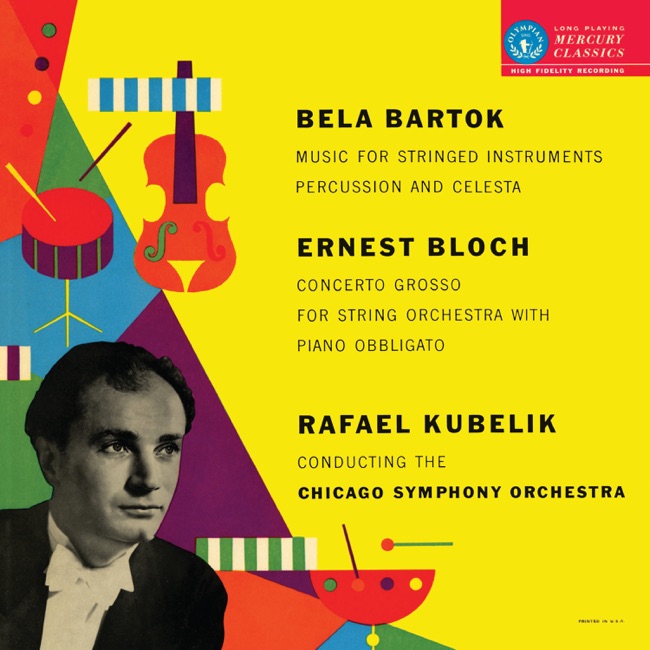
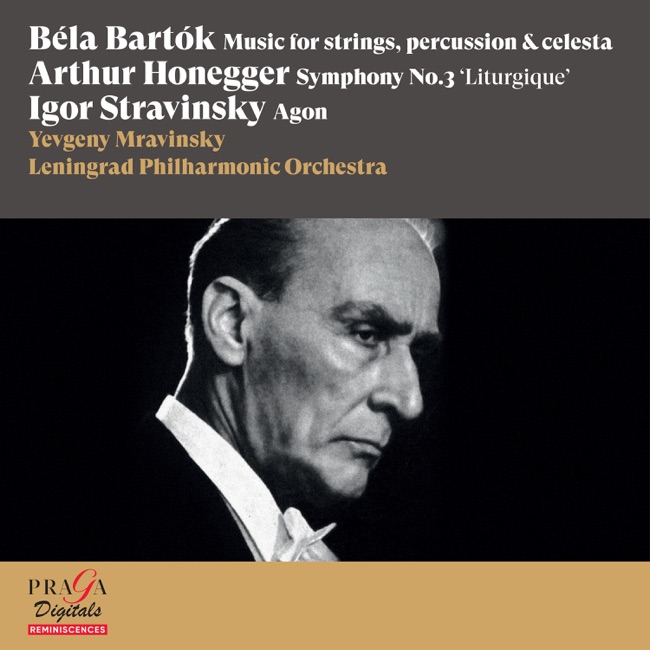
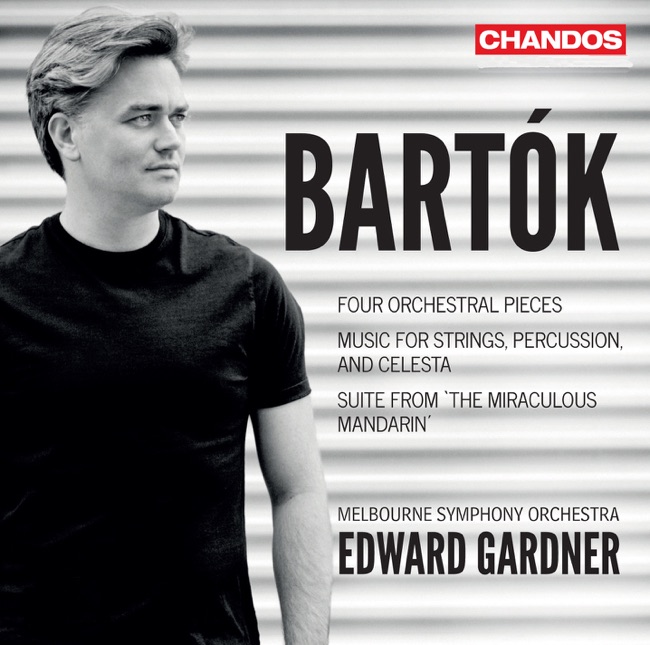

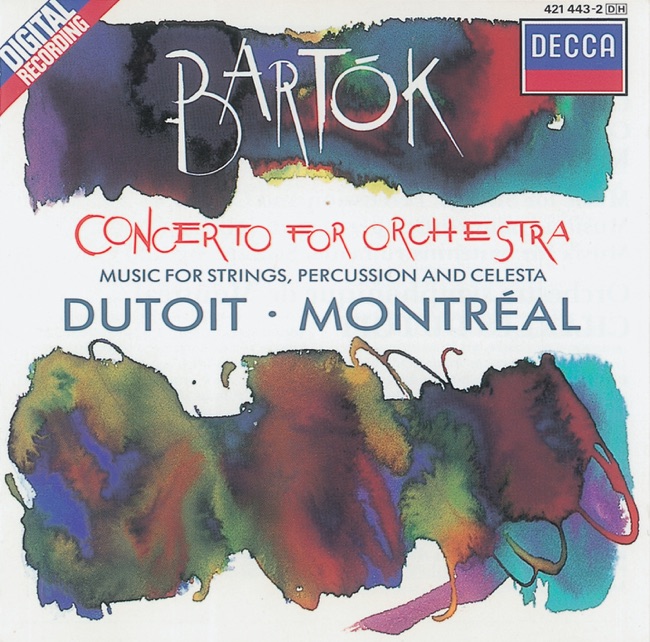



Works Info
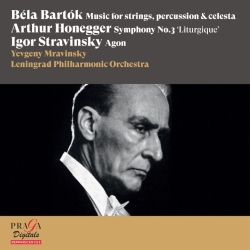
Composer:Béla BartókGenre:OrchestralStyle:OrchestralCompose Date:1936Average_duration:29:58Movement_count:4Movement ....Béla Bartók's "Music for Strings, Percussion and Celesta," also known as "Music for Strings, Sz. 106," is a four-movement composition that premiered on January 19, 1937, in Basel, Switzerland. The piece was commissioned by the Swiss conductor Paul Sacher, who was a great admirer of Bartók's work. The first movement, marked "Andante tranquillo," begins with a hauntingly beautiful melody played by the violins. The music gradually builds in intensity, with the other strings joining in and the tempo increasing. The movement ends with a return to the peaceful opening theme. The second movement, marked "Allegro," is a lively and rhythmic dance. The percussion section is featured prominently in this movement, with the xylophone and timpani adding a playful and exotic flavor to the music. The third movement, marked "Adagio," is the emotional heart of the piece. It begins with a mournful melody played by the cellos and basses, which is then taken up by the violins. The music builds to a powerful climax before subsiding into a quiet and reflective coda. The final movement, marked "Allegro molto," is a frenzied and energetic dance. The music is characterized by its driving rhythms and complex polyphony, with the different sections of the orchestra weaving in and out of each other. One of the most striking features of "Music for Strings, Sz. 106" is its use of tonality. Bartók was known for his use of folk melodies and unconventional harmonies, and this piece is no exception. The music is often dissonant and unpredictable, with sudden shifts in key and unexpected chord progressions. Another notable aspect of the piece is its use of percussion. Bartók was fascinated by the rhythms and sounds of traditional folk music, and he incorporated these elements into his compositions. In "Music for Strings, Sz. 106," the percussion section is given a prominent role, with the xylophone, timpani, and other instruments adding color and texture to the music. Overall, "Music for Strings, Sz. 106" is a masterpiece of 20th-century music. Its innovative use of tonality and percussion, combined with its emotional depth and technical brilliance, make it a landmark work in the history of classical music.More....
Works Music
Released Music

Featured Music







Main Perform Artists
Percussion
Tympani [Timpani]
Piano