


Jean Sibelius
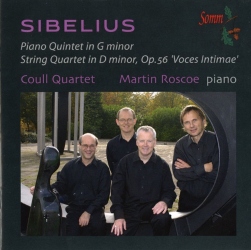
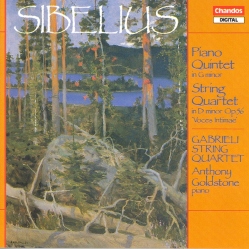
Piano Quintet in G minor, JS 159
Released Album
Recent Album
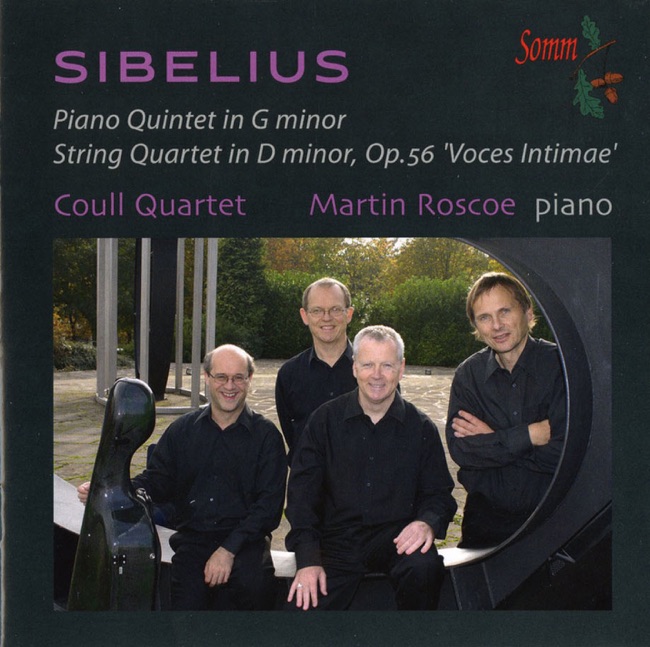
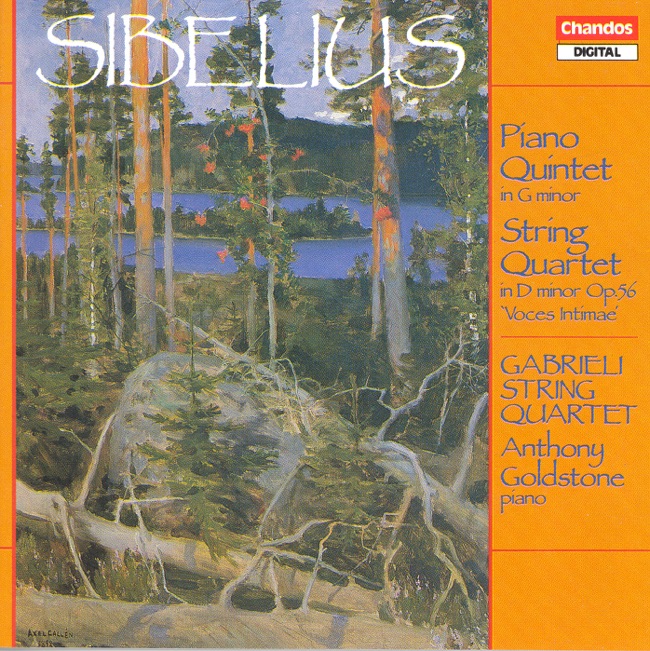
Works Info
Composer:Jean SibeliusGenre:ChamberStyle:QuartetCompose Date:1890First Performance:May 5, 1890Average_duration:38:13Movement_count:5Movement ....Jean Sibelius composed his Piano Quintet in G minor, JS 159, in 1884-85, when he was still a student at the Helsinki Music Institute. The work was premiered in Helsinki in 1885, with Sibelius himself playing the piano part. The quintet is in four movements and has a total duration of approximately 35 minutes. The first movement, marked Allegro, begins with a dramatic and intense piano introduction, followed by the entrance of the strings. The main theme is presented by the violin, and is characterized by its melancholic and lyrical quality. The development section explores the themes in a more contrapuntal and complex way, leading to a powerful and emotional climax. The movement ends with a recapitulation of the main theme, followed by a coda that brings the movement to a close. The second movement, marked Andante, is a lyrical and introspective piece, featuring a beautiful melody played by the cello. The piano provides a delicate accompaniment, while the strings add subtle harmonies and counterpoint. The middle section of the movement features a more agitated and passionate theme, which is developed and transformed before returning to the main melody. The third movement, marked Scherzo, is a lively and playful piece, featuring a rhythmic and syncopated theme played by the piano. The strings provide a pizzicato accompaniment, adding to the light and humorous character of the movement. The trio section features a more lyrical and expressive theme, played by the violin and cello, before returning to the scherzo theme. The final movement, marked Finale, is a powerful and dramatic piece, featuring a driving and energetic theme played by the piano. The strings provide a rich and complex accompaniment, adding to the intensity and emotional depth of the movement. The middle section of the movement features a more lyrical and introspective theme, which is developed and transformed before returning to the main theme. The movement ends with a powerful and triumphant coda, bringing the quintet to a thrilling conclusion. Overall, Sibelius's Piano Quintet in G minor is a powerful and emotional work, showcasing the composer's skill in writing for both piano and strings. The work is characterized by its lyrical melodies, complex harmonies, and dramatic contrasts, making it a significant contribution to the chamber music repertoire.More....
Works Music
Released Music
Main Perform Artists
Piano
Viola
Cello
Violin
Violin