


Pyotr Il'yich Tchaikovsky (Pyotr Ilyich Tchaikovsky)
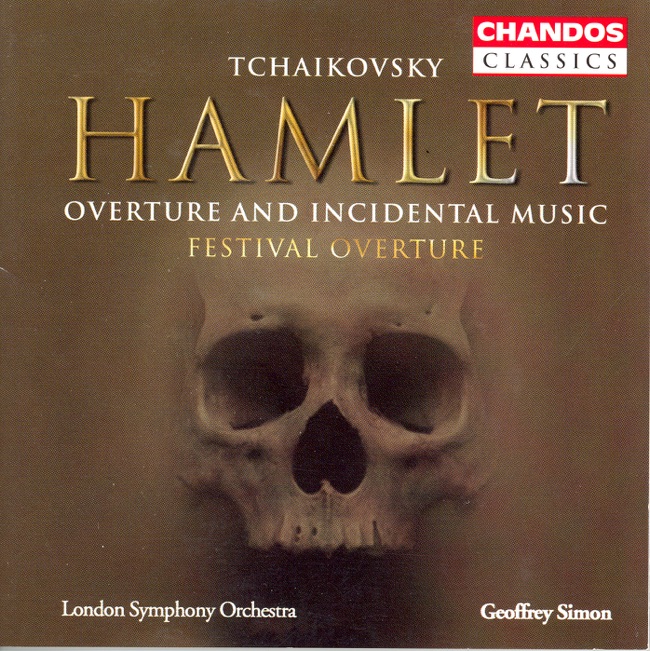
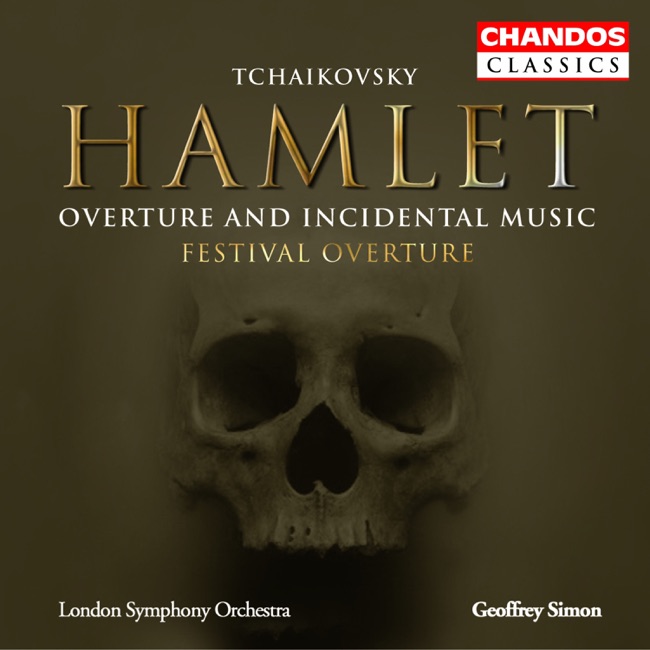
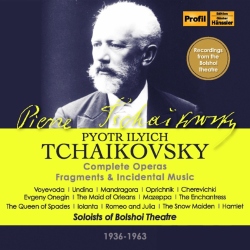
Hamle, Op. 67a
Released Album
Recent Album
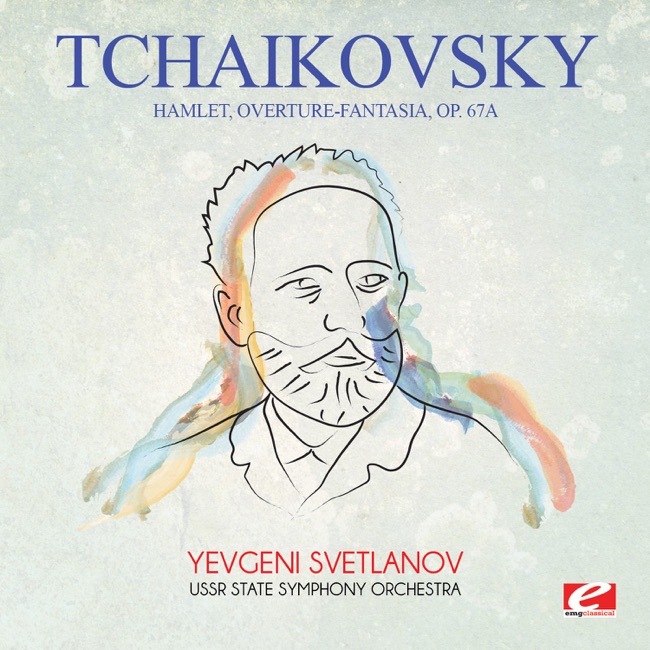
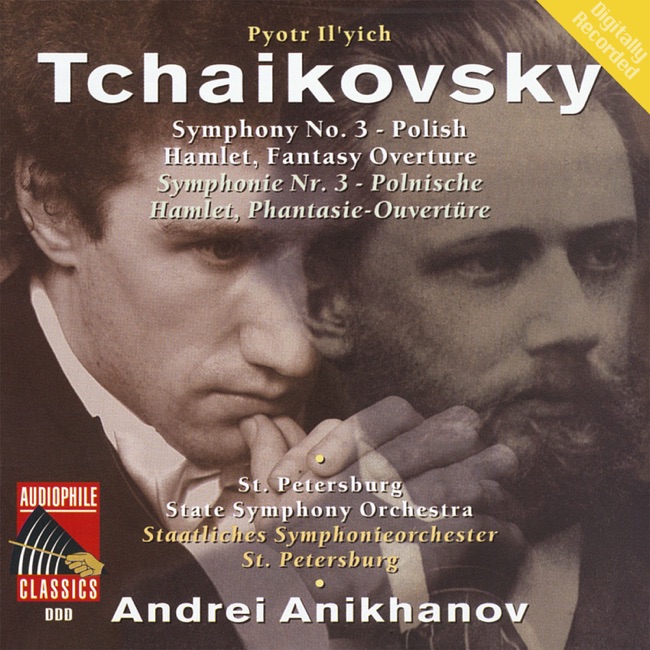
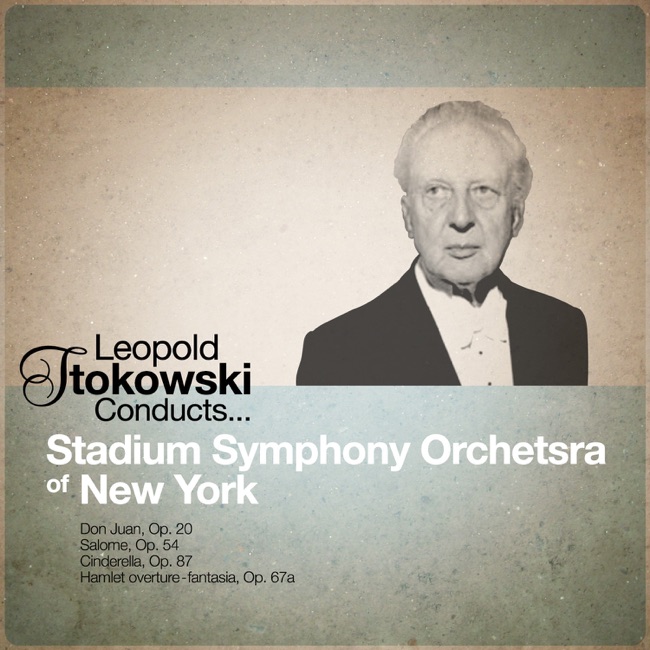
Featured Album
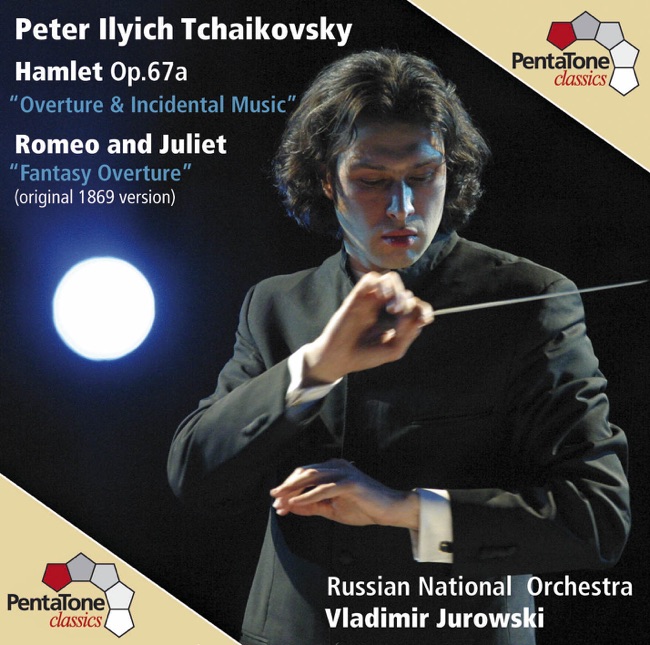
Works Info
Composer:Pyotr Il'yich TchaikovskyGenre:OrchestralStyle:Incidental MusicCompose Date:1891Average_duration:37:56Hamlet, Op. 67a is a symphonic poem composed by Pyotr Il'yich Tchaikovsky in 1888. The piece was inspired by William Shakespeare's play Hamlet and was premiered on March 20, 1891, in Moscow. The symphonic poem is divided into four movements, each representing a different aspect of the play. The first movement, titled "Hamlet's Theme," is a somber and melancholic introduction that sets the tone for the entire piece. The second movement, "Ophelia's Theme," is a delicate and haunting melody that represents the tragic character of Ophelia. The third movement, "The Hunt," is a lively and energetic scherzo that represents the chase scene in the play. The final movement, "Finale," is a dramatic and intense conclusion that represents the final showdown between Hamlet and his enemies. Tchaikovsky's Hamlet is characterized by its use of leitmotifs, or recurring musical themes, to represent the different characters and themes in the play. The use of leitmotifs is a technique that Tchaikovsky borrowed from Richard Wagner, and it adds a layer of depth and complexity to the music. The symphonic poem is also notable for its use of orchestration. Tchaikovsky employs a wide range of instruments, including the harp, celesta, and bass clarinet, to create a rich and varied sound. The use of these instruments, along with Tchaikovsky's skillful orchestration, creates a vivid and evocative musical landscape that captures the mood and atmosphere of Shakespeare's play. Overall, Hamlet, Op. 67a is a masterful work of music that showcases Tchaikovsky's skill as a composer. The piece is a testament to his ability to capture the essence of a literary work and translate it into a powerful and moving musical composition.More....
Works Music
Released Music
1
3:44
5
16:47
6
17:20
7
18:47
Featured Music
5

Hamle, Op.67a
Act 1. No. 4 Mélodrame. Allegro giusto ed agitato. Scene 4. The Ghost tells Hamlet of his father's
3:25
6
Hamle, Op.67a
Act 2. No. 5 Entr'acte. Allegro semplice. Prelude to Scene 1 and first appearance in the play of Op
2:55
9
Hamle, Op.67a
Act 3. No. 7 Entr'acte. Andante quasi allegretto. Prelude to Scene 1 which features Hamlet's solilo
3:4
10
Hamle, Op.67a
Act 3. No. 8. Mélodrame. Allegro giusto ad agitato. Scene 2. The players enact the Scene of the Poi
2:21
11
Hamle, Op.67a
Act 4. No. 9 Entr'acte. Andante non troppo. Prelude to Scene 1 - A Room in the Castle
7:38
12
Hamle, Op.67a
Act 4. No. 10 Scène d'Ophélie. Andantino. Scene 5. Elsinore - Ophélia's Mad Scene
2:19

Main Perform Artists
Soprano Vocal
Baritone Vocal
Piano
Soprano Vocal