


Johann Sebastian Bach
Cantata No. 123, "Liebster Immanuel, Herzog der Frommen", BWV 123
Released Album
Recent Album
Works Info
Composer:Johann Sebastian BachGenre:ChoralStyle:CantataCompose Date:Jan 6, 1725Publication Date:1878First Performance:Jan 6, 1725Average_duration:19:21Movement_count:6Movement ....Johann Sebastian Bach composed Cantata No. 123, Liebster Immanuel, Herzog der Frommen, BWV 123, in Leipzig in 1724. The cantata was premiered on December 26, 1724, which was the second day of Christmas. The cantata consists of six movements and is scored for four vocal soloists, a four-part choir, and a Baroque orchestra consisting of two oboes, two violins, viola, and basso continuo. The first movement is a chorale fantasia based on the hymn "Liebster Immanuel, Herzog der Frommen." The choir sings the chorale melody in long notes while the orchestra plays a complex and virtuosic accompaniment. The second movement is a recitative for the bass soloist, who sings about the joy and peace that Jesus brings to the world. The third movement is an aria for the soprano soloist, who sings about the comfort and protection that Jesus provides. The aria is accompanied by a solo violin, which plays a virtuosic and expressive melody. The fourth movement is a duet for the alto and tenor soloists, who sing about the love and mercy of Jesus. The duet is accompanied by the oboes, which play a lively and dance-like melody. The fifth movement is a recitative for the tenor soloist, who sings about the suffering and sacrifice of Jesus. The recitative is accompanied by the basso continuo, which provides a simple and understated accompaniment. The final movement is a chorale, in which the choir sings the hymn "Liebster Immanuel, Herzog der Frommen" in four-part harmony. The orchestra provides a simple and elegant accompaniment. Overall, Cantata No. 123 is a beautiful and expressive work that showcases Bach's mastery of Baroque music. The cantata is characterized by its complex and virtuosic orchestration, its expressive and emotional vocal writing, and its use of chorale melodies and texts. It is a testament to Bach's skill as a composer and his deep faith in God.More....
Works Music
Released Music
1
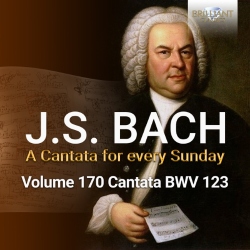
Cantata no. 123, "Beloved Immanuel, Duke of the Pious", BWV 123
V. Aria. Lass, o Welt, mich aus Verachtung
6:57
2
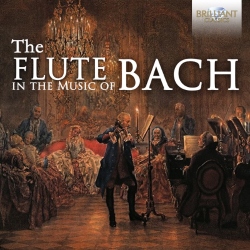
Cantata no. 123, "Beloved Immanuel, Duke of the Pious", BWV 123
V. Aria. Laß, o Welt, mich aus verachtung
6:57
3
1:49
4
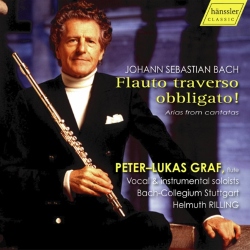
Cantata no. 123, "Beloved Immanuel, Duke of the Pious", BWV 123
5. Aria - Laß, o Welt, mich aus Verachtung
6:14
6
Cantata no. 123, "Beloved Immanuel, Duke of the Pious", BWV 123
Liebster Immanuel, Herzog der Frommen
1:56
7
Cantata no. 123, "Beloved Immanuel, Duke of the Pious", BWV 123
Notebook For Anna Magdalena No. 11 in D major Marche
56
8
Cantata no. 123, "Beloved Immanuel, Duke of the Pious", BWV 123
Notebook For Anna Magdalena No. 11 in D major: Marche
56
9
Cantata no. 123, "Beloved Immanuel, Duke of the Pious", BWV 123
Liebster Immanuel, Herzog der Frommen
1:58
Main Perform Artists
Bass (Vocal)
Alto Vocals
Tenor Vocal
Cello
Tenor Vocal
Baritone Vocal
Harpsichord
Alto Vocals
Bass Vocal
Flute