Franz Joseph Haydn
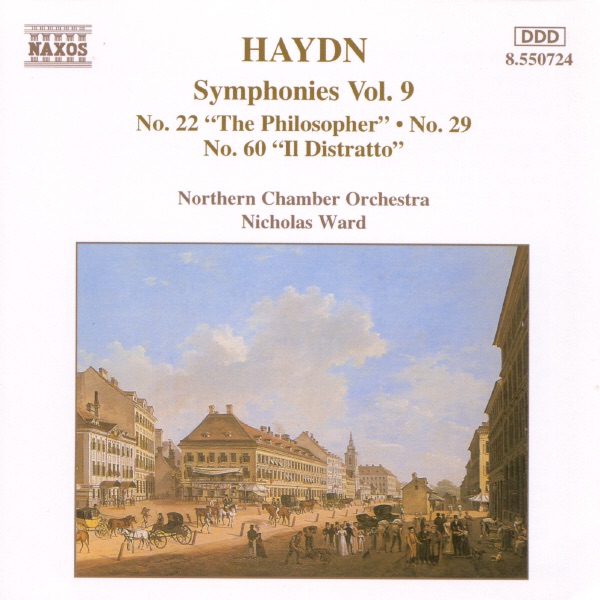
Symphony No. 29 in E major, H. 1/29
Released Album
Recent Album
Works Info
Composer:Franz Joseph HaydnGenre:SymphonyStyle:SymphonyCompose Date:1765Average_duration:18:15Movement_count:4Movement ....Symphony No. 29 in E major, H. 1/29, is a classical symphony composed by Franz Joseph Haydn. It was composed in 1765, during his early years as Kapellmeister for the Esterházy family. The symphony premiered in Eisenstadt, Austria, in the same year. The symphony consists of four movements. The first movement, marked Allegro, is in sonata form and begins with a lively and energetic theme played by the strings. The second movement, marked Andante, is a slow and lyrical piece featuring a beautiful melody played by the woodwinds. The third movement, marked Menuetto, is a minuet and trio in triple meter, featuring a playful and dance-like melody. The final movement, marked Presto, is a fast and lively piece that brings the symphony to a thrilling conclusion. One of the characteristics of this symphony is its use of the Mannheim rocket, a musical technique that involves a rapid ascending arpeggio played by the strings. This technique was popularized by the Mannheim school of composers, of which Haydn was a part. The use of the Mannheim rocket in the first movement of the symphony adds to its energetic and lively character. Another characteristic of the symphony is its use of dynamic contrasts. Haydn employs sudden changes in volume throughout the piece, creating a sense of drama and tension. This is particularly evident in the first movement, where the music alternates between loud and soft passages. Overall, Symphony No. 29 in E major is a prime example of Haydn's early symphonic style. It showcases his mastery of classical forms and his ability to create music that is both lively and expressive.More....
Works Music
Released Music