


Franz Schubert
Mass in F major, D. 105
Released Album
Recent Album
Works Info
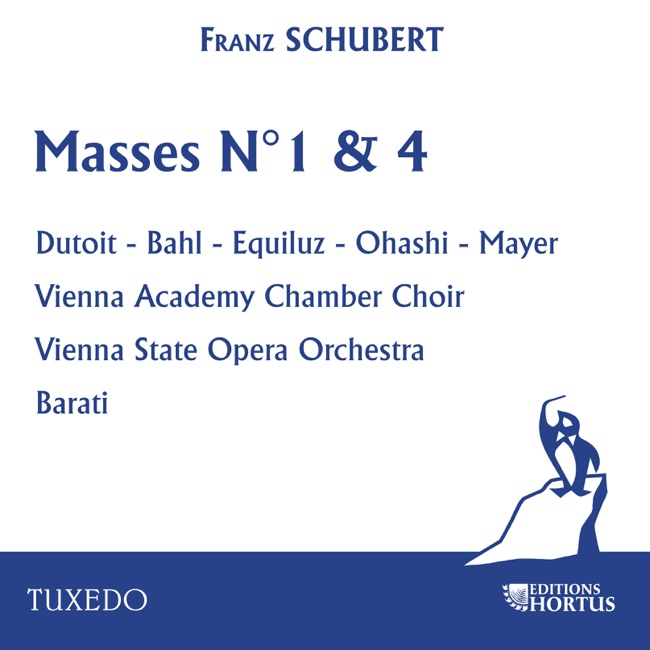
Composer:Franz SchubertGenre:ChoralStyle:MassCompose Date:1814Average_duration:41:20Movement_count:11Movement ....Franz Schubert's Mass in F major, D. 105, also known as the "German Mass," was composed in 1814 when Schubert was just 17 years old. The piece was premiered in the same year at the Lichtental Church in Vienna. The Mass in F major consists of six movements: Kyrie, Gloria, Credo, Sanctus, Benedictus, and Agnus Dei. The piece is scored for SATB choir, soloists, and orchestra, with the addition of organ in the Benedictus movement. The Mass in F major is characterized by its simplicity and clarity, which is typical of Schubert's early works. The piece is written in a traditional style, with clear homophonic textures and straightforward harmonies. The use of soloists in the Gloria and Credo movements adds a sense of drama and contrast to the piece. The Kyrie movement begins with a simple choral melody that is repeated throughout the movement. The Gloria movement is more complex, with a lively and joyful choral section followed by a series of solos and duets. The Credo movement is the longest of the six, with a variety of choral and solo sections that express the various beliefs of the Catholic Church. The Sanctus movement is characterized by its soaring choral melodies and the use of trumpets and timpani. The Benedictus movement is a duet for soprano and tenor, accompanied by organ, that is both peaceful and contemplative. The final Agnus Dei movement is a prayer for peace, with a simple choral melody that gradually builds in intensity. Overall, the Mass in F major is a beautiful and accessible work that showcases Schubert's early talent as a composer. Despite its simplicity, the piece is full of emotion and expression, making it a beloved work in the choral repertoire.More....
Works Music
Released Music
Main Perform Artists
Mezzo-Soprano Vocal
Bass Vocal
Soprano Vocal
Tenor Vocal