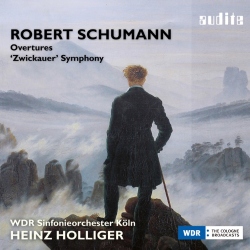
Robert Schumann
Symphony in G minor "Zwickau", WoO 29
Released Album
Recent Album
Featured Album
Works Info
Composer:Robert SchumannGenre:SymphonyStyle:SymphonyCompose Date:1832 - 1833Average_duration:15:31Robert Schumann's Symphony in G minor Zwickau, WoO 29, was composed in 1832 and premiered on February 4, 1833, in Zwickau, Germany. The symphony consists of four movements and is considered one of Schumann's earliest works. The first movement, marked "Ziemlich schnell" (quite fast), begins with a dramatic and intense introduction featuring the full orchestra. The main theme is then introduced by the strings, which is followed by a lyrical second theme played by the woodwinds. The development section is characterized by a sense of restlessness and tension, with the themes being developed and transformed. The movement ends with a powerful coda that brings the music to a dramatic close. The second movement, marked "Romanze: Ziemlich langsam" (romance: quite slow), is a lyrical and expressive piece featuring the strings and woodwinds. The main theme is introduced by the violins and is then passed on to the other instruments. The middle section features a more agitated theme played by the oboe, which is then developed and transformed. The movement ends with a return to the main theme, played by the strings. The third movement, marked "Scherzo: Sehr rasch" (scherzo: very fast), is a lively and energetic piece featuring the full orchestra. The main theme is introduced by the strings and is then passed on to the woodwinds. The middle section features a more lyrical theme played by the horns, which is then developed and transformed. The movement ends with a return to the main theme, played by the full orchestra. The fourth and final movement, marked "Finale: Allegro molto vivace" (finale: very lively), is a fast and energetic piece featuring the full orchestra. The main theme is introduced by the strings and is then passed on to the woodwinds. The middle section features a more lyrical theme played by the horns, which is then developed and transformed. The movement ends with a powerful coda that brings the symphony to a thrilling close. Overall, Schumann's Symphony in G minor Zwickau, WoO 29, is characterized by its dramatic and intense musical language, as well as its use of lyrical and expressive themes. The symphony is considered an important early work in Schumann's oeuvre and is still performed and admired today.More....
Works Music
Released Music
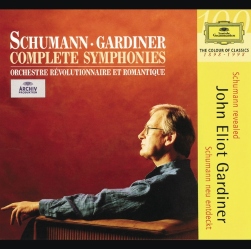
Featured Music
2
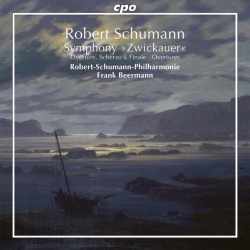
Symphony in G minor "Zwickau", WoO 29
Andante quasi Allegretto - Intermezzo quasi Scherzo: Allegro assai
7:5