Dietrich Buxtehude
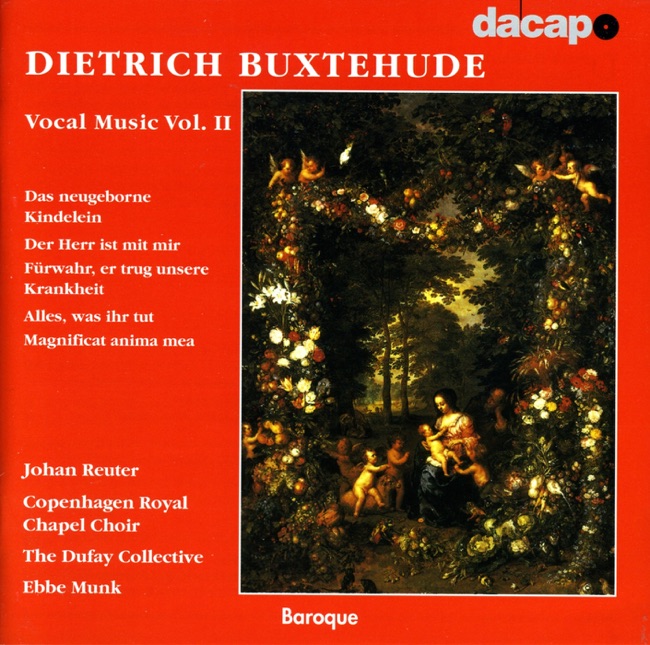
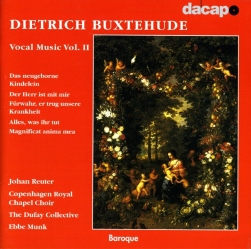
Fürwahr, er trug unsere Krankheit
Released Album
Recent Album
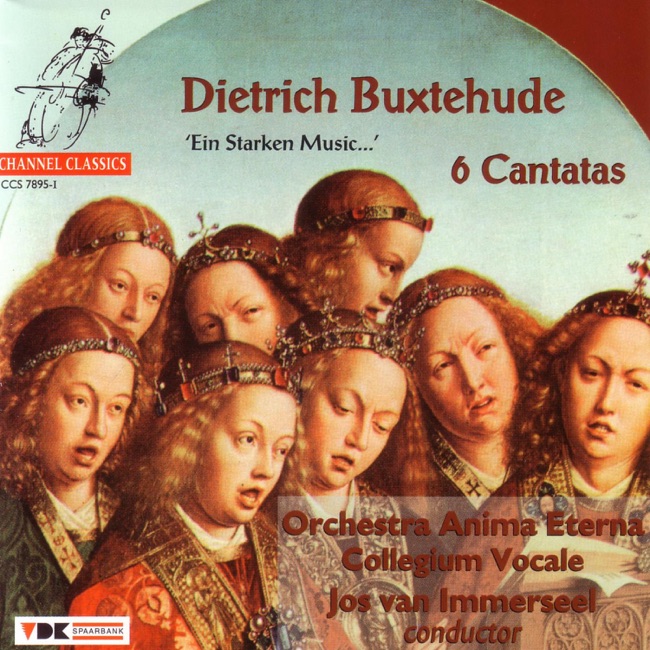
Featured Album
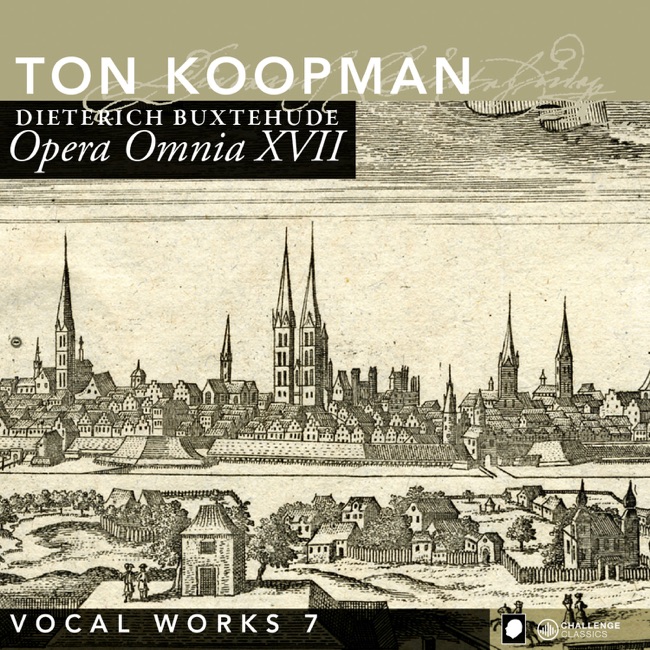
Works Info
Composer:Dietrich BuxtehudeGenre:ChoralStyle:ChoralCompose Date:1680Average_duration:11:04Movement_count:9Movement ....'Fürwahr, er trug unsere Krankheit' is a sacred vocal work composed by Dietrich Buxtehude, a Danish-German composer and organist of the Baroque era. The work is a cantata for solo voice, violins, viola da gamba, and basso continuo. It was composed in the late 17th century, and its exact date of composition is unknown. The work was premiered in the Marienkirche in Lübeck, where Buxtehude was the organist and music director. The cantata consists of three movements, each of which is based on a biblical text. The first movement is a setting of Isaiah 53:4-5, which speaks of the suffering servant who bears the sins of the people. The second movement is a setting of Psalm 38:4, which speaks of the pain and suffering of the psalmist. The third movement is a setting of 1 Peter 2:24, which speaks of Christ's sacrifice on the cross for the sins of humanity. The work is characterized by its expressive and emotional music, which reflects the text of the biblical passages. The first movement is marked by its use of dissonance and chromaticism, which convey the pain and suffering of the servant. The second movement is marked by its use of descending chromatic lines, which convey the psalmist's sense of despair. The third movement is marked by its use of a descending bass line, which conveys the weight of Christ's sacrifice. Overall, 'Fürwahr, er trug unsere Krankheit' is a powerful and moving work that reflects Buxtehude's skill as a composer and his deep faith. Its use of expressive music to convey the meaning of the biblical text is a hallmark of Baroque sacred music, and it continues to be performed and appreciated by audiences today.More....
Works Music
Released Music
Featured Music