


Dietrich Buxtehude
Chorale prelude for organ in Phrygian mode, BuxWV 206, "Mensch, willt du leben seliglich"
Released Album
Recent Album
-
 Leonardo CarrieriAugust 22, 2020
 -
-
-

-
-
-
-
-
-
-
-
Works Info
Composer:Dietrich BuxtehudeGenre:KeyboardStyle:Chorale PreludeAverage_duration:2:32Dietrich Buxtehude's Chorale prelude for organ in Phrygian mode, BuxWV 206, Mensch, willt du leben seliglich, is a piece of music that was composed in the late 17th century. The piece is a chorale prelude, which is a type of composition that is based on a hymn or chorale melody. The chorale melody that Buxtehude used for this piece is "Mensch, willt du leben seliglich," which translates to "Man, if you want to live happily." The piece is believed to have been composed in the 1680s or 1690s, during Buxtehude's time as the organist at the Marienkirche in Lübeck, Germany. The piece was likely composed for use in church services, as chorale preludes were often used as preludes or postludes to hymns. The Chorale prelude for organ in Phrygian mode, BuxWV 206, is divided into four movements. The first movement is a prelude, which sets the stage for the rest of the piece. The second movement is a fugue, which is a type of composition in which a melody is introduced and then repeated and developed by different voices. The third movement is a trio, which is a type of composition that features three voices or instruments. The final movement is a chorale, which is a type of composition that is based on a hymn or chorale melody. One of the characteristics of Buxtehude's Chorale prelude for organ in Phrygian mode, BuxWV 206, is its use of the Phrygian mode. The Phrygian mode is a musical mode that was commonly used in the Middle Ages and Renaissance, but had fallen out of favor by the time Buxtehude composed this piece. The use of the Phrygian mode gives the piece a unique and somewhat exotic sound. Another characteristic of the piece is its use of counterpoint. Counterpoint is a technique in which two or more melodies are played simultaneously, creating a complex and harmonically rich sound. Buxtehude was known for his skill in counterpoint, and this piece is a prime example of his mastery of the technique. Overall, Buxtehude's Chorale prelude for organ in Phrygian mode, BuxWV 206, is a beautiful and complex piece of music that showcases the composer's skill in counterpoint and his use of the Phrygian mode. Its use of different movements and its connection to a hymn melody make it a perfect piece for use in church services.More....
Works Music
Released Music
1
2:5
2
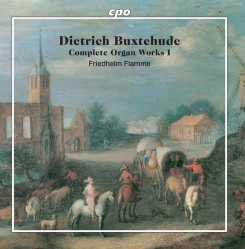
Chorale prelude for organ in Phrygian mode, BuxWV 206, "Man, will you live happily"
Mensch, willst du leben seliglich BuxWV 206
2:41
3
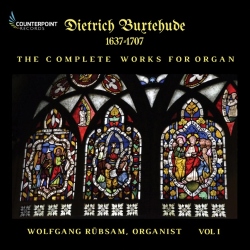
2:6
4

Chorale prelude for organ in Phrygian mode, BuxWV 206, "Man, will you live happily"
Mensch, willst du leben seliglich BuxWV 206
2:59
5
Chorale prelude for organ in Phrygian mode, BuxWV 206, "Man, will you live happily"
Mensch, willt du leben seliglich, BuxWV 206
2:17
6
2:33
7
2:33
8
2:33
9
2:14
10
2:6