


Johann Sebastian Bach
Cantata No. 62, "Nun komm, der Heiden Heiland", BWV 62
Released Album
Recent Album
-
-
-
-
-
-
-
-
-
 Shinji IshiharaDecember 7, 2016
 -
-

-
Featured Album
Works Info
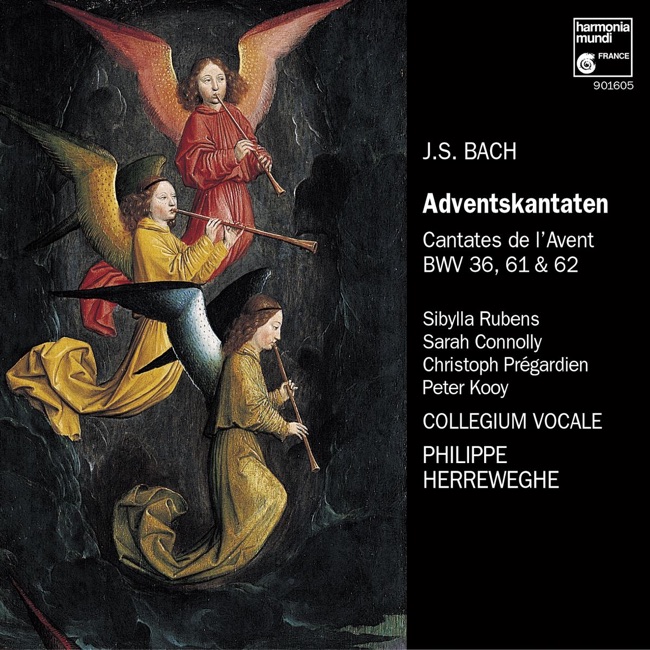
Composer:Johann Sebastian BachGenre:ChoralStyle:CantataCompose Date:Dec 3, 1724Publication Date:1868First Performance:Dec 3, 1724Average_duration:18:45Movement_count:6Movement ....Johann Sebastian Bach composed Cantata No. 62, Nun komm, der Heiden Heiland, BWV 62, in 1724 for the first Sunday in Advent. The cantata is based on Martin Luther's hymn of the same name, which is a paraphrase of the Latin hymn "Veni, redemptor gentium." The cantata is scored for four vocal soloists, a four-part choir, and a small orchestra consisting of two oboes, two violins, viola, and continuo. The cantata is divided into six movements. The first movement is a chorus that sets the tone for the entire work. It begins with a striking instrumental introduction that features a descending chromatic scale in the violins and oboes, which is then imitated by the other instruments. The choir enters with the first line of the hymn, "Nun komm, der Heiden Heiland" (Now come, Savior of the Gentiles), and the music is characterized by a sense of anticipation and longing. The second movement is a duet for soprano and bass that reflects on the coming of Christ. The soprano sings a joyful melody that is accompanied by a lively violin part, while the bass provides a more contemplative counterpoint. The third movement is a recitative for tenor that describes the darkness and sinfulness of the world before the coming of Christ. The music is somber and reflective, with the tenor accompanied by a simple continuo line. The fourth movement is a chorale that features the full choir singing the hymn tune in four-part harmony. The music is simple and straightforward, with the choir accompanied by the orchestra playing a simple, repetitive melody. The fifth movement is a duet for alto and tenor that reflects on the joy and hope that comes with the coming of Christ. The music is lively and energetic, with the two voices intertwining in a playful and joyful manner. The final movement is a chorale that brings the cantata to a close. The choir sings the final verse of the hymn, "Lob sei Gott, dem Vater, g'ton" (Praise be to God the Father), with the orchestra providing a simple accompaniment. Overall, Cantata No. 62 is characterized by its sense of anticipation and longing for the coming of Christ, as well as its joyful celebration of his arrival. The music is characterized by Bach's masterful use of counterpoint and harmony, as well as his ability to convey a wide range of emotions through his music.More....
Works Music
Released Music
1
Cantata no. 62, "Now come, the savior of the heathen", BWV 62
I. Coro. Nun komm, der Heiden Heiland
5:27
4
Cantata no. 62, "Now come, the savior of the heathen", BWV 62
Bewundert, o Menschen, dies große Geheimnis
5:49
8
Cantata no. 62, "Now come, the savior of the heathen", BWV 62
I. Coro. Nun Komm, der Heiden Heiland
5:27
9
4:46
Featured Music
1
5:9
2
Cantata no. 62, "Now come, the savior of the heathen", BWV 62
6, Lob sei Gott, dem Vater, g'tan
35
3
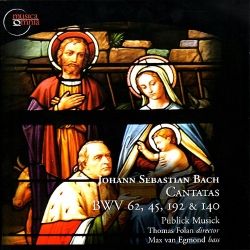
Cantata no. 62, "Now come, the savior of the heathen", BWV 62
Choral: Nun komm, der Heiden Heiland
4:48
5
Cantata no. 62, "Now come, the savior of the heathen", BWV 62
Recit.: So geht aus Gottes Herrlichkeit
45
6
Cantata no. 62, "Now come, the savior of the heathen", BWV 62
Aria: Streite, siege, starker Held!
5:40
7
Cantata no. 62, "Now come, the savior of the heathen", BWV 62
Recit.: Wir ehren diese Herrlichkeit
55
8
Cantata no. 62, "Now come, the savior of the heathen", BWV 62
Choral: Lob sei Gott, dem Vater ton
46
9
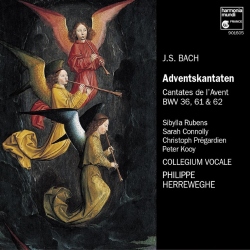
Cantata no. 62, "Now come, the savior of the heathen", BWV 62
1. Choral. Nun komm, der Heiden Heiland
4:42
10
Cantata no. 62, "Now come, the savior of the heathen", BWV 62
2. Aria. Bewundert, o Menschen, dies große Geheimnis:
6:51
Recommend Playlist



Main Perform Artists
Bass Vocal
Tenor Vocal
Bass Vocal