


Domenico Cimarosa
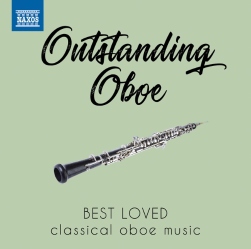
Oboe Concerto in C major/C minor
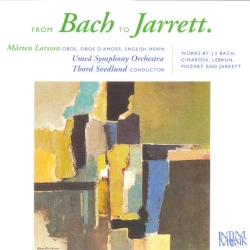
Released Album
Recent Album
-
-

-

-

-
-
-
-
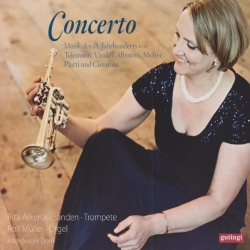
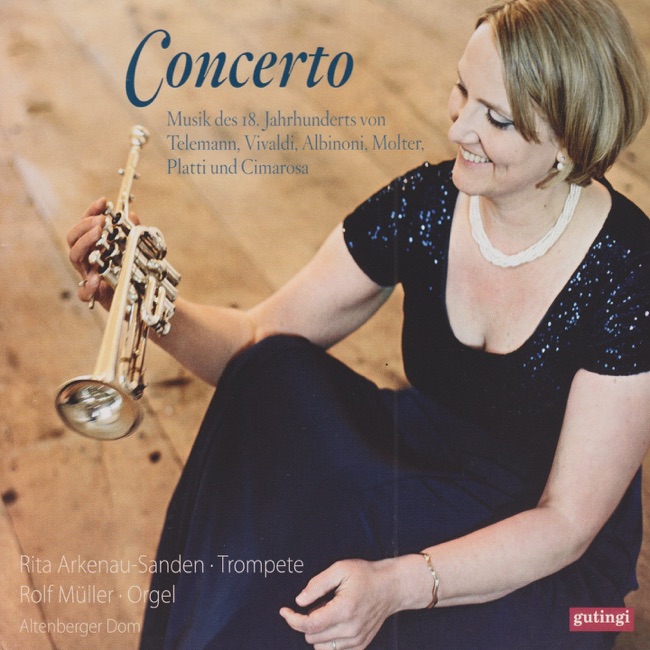 Rita Arkenau-SandenJanuary 15, 2016
 -
-

-

-
Featured Album
Works Info
Composer:Domenico CimarosaGenre:ConcertoStyle:ConcertoCompose Date:ca. 1780Average_duration:10:50Movement_count:4Movement ....Domenico Cimarosa's Oboe Concerto in C major/C minor is a beautiful and expressive piece of music that showcases the oboe's unique sound and capabilities. The concerto was composed in the late 18th century, during the Classical period of music, and was first premiered in Naples in 1793. The concerto is divided into three movements, each with its own distinct character and mood. The first movement is in C major and is marked Allegro, which means it should be played at a brisk and lively pace. The movement begins with a bright and cheerful melody played by the oboe, which is then echoed by the orchestra. The oboe then takes center stage, playing a virtuosic solo that showcases the instrument's agility and range. The movement ends with a return to the opening theme, played by the orchestra. The second movement is in C minor and is marked Larghetto, which means it should be played at a slow and leisurely pace. This movement is more introspective and melancholy than the first, with the oboe playing a mournful melody that is accompanied by the orchestra. The oboe's solo in this movement is particularly expressive, with long, sustained notes that create a sense of longing and sadness. The final movement is in C major and is marked Allegro giusto, which means it should be played at a moderate and steady pace. This movement is more upbeat and energetic than the second, with the oboe playing a lively and playful melody that is accompanied by the orchestra. The oboe's solo in this movement is particularly virtuosic, with fast runs and intricate ornamentation that showcase the instrument's technical capabilities. Overall, Cimarosa's Oboe Concerto in C major/C minor is a beautiful and expressive piece of music that showcases the oboe's unique sound and capabilities. The concerto's three movements each have their own distinct character and mood, ranging from bright and cheerful to introspective and melancholy to upbeat and energetic. The concerto is a testament to Cimarosa's skill as a composer and his ability to create music that is both technically challenging and emotionally engaging.More....
Works Music
Released Music



7
3:

Featured Music
1
3:8
2
1:35
3
2:21
4
2:29

Main Perform Artists
Oboe
Primary Artist
Primary Artist
Violin
Oboe
Oboe
Oboe
Flute