


Jacques Offenbach
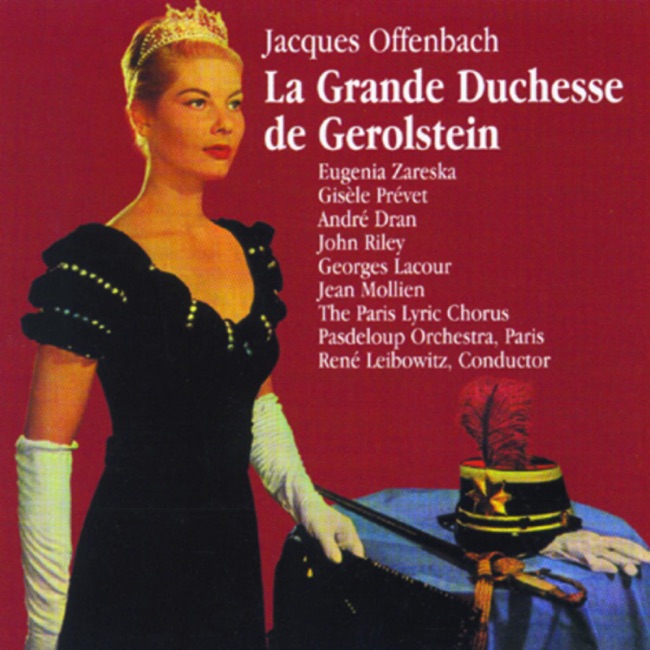
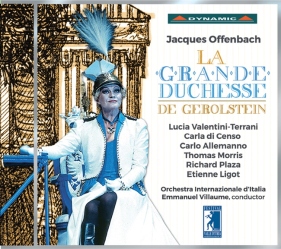
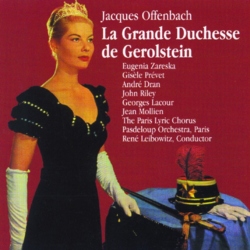
La Grande-Duchesse de Gérolstein
Released Album
Recent Album

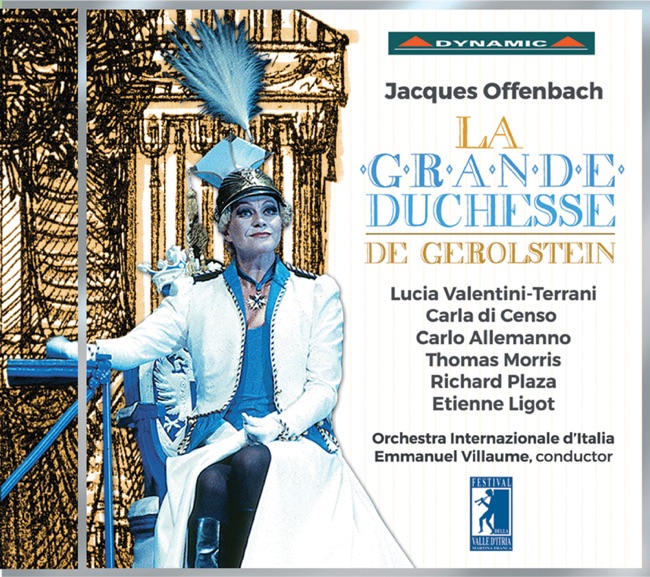
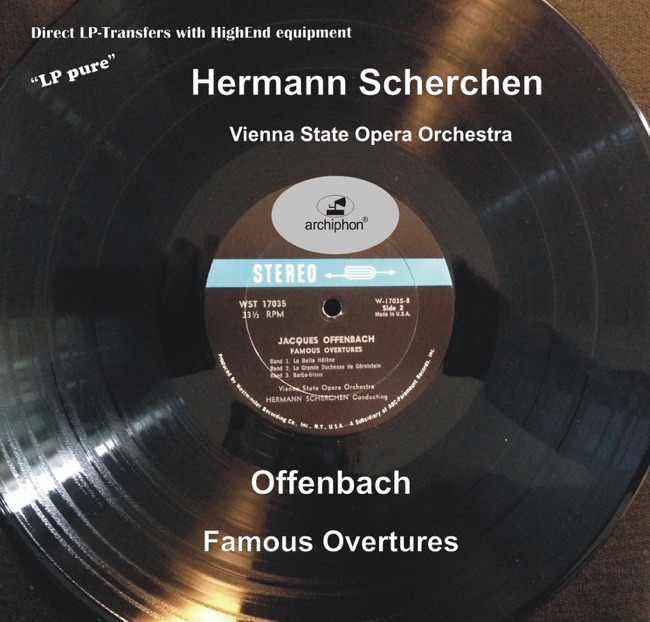


Featured Album
Works Info
Composer:Jacques OffenbachGenre:OperaStyle:OperettaFirst Performance:1867Average_duration:121:42Movement_count:34Movement ....La Grande-Duchesse de Gérolstein is an opéra bouffe in three acts composed by Jacques Offenbach. The opera was composed in 1866 and premiered on April 12, 1867, at the Théâtre des Variétés in Paris. The libretto was written by Henri Meilhac and Ludovic Halévy. The plot of the opera revolves around the character of the Grand Duchess of Gerolstein, who is a young and naive ruler. She is more interested in her military conquests and her soldiers than in the affairs of state. The Grand Duchess falls in love with a young soldier named Fritz, who is also in love with her. However, the Grand Duchess is already engaged to Prince Paul, who is more interested in his own pleasures than in ruling the country. The opera is known for its satirical portrayal of the military and the ruling class. The characters are caricatures of the aristocracy, and the opera pokes fun at their frivolous and self-centered behavior. The music is lively and upbeat, with catchy tunes and witty lyrics. The first act of the opera takes place in the Grand Duchess's palace, where she is holding a military parade. The soldiers are more interested in flirting with the ladies than in marching, and the Grand Duchess is more interested in her own appearance than in the parade. Fritz catches the Grand Duchess's eye, and she falls in love with him. In the second act, the Grand Duchess decides to promote Fritz to the rank of general. However, Prince Paul is jealous of Fritz and tries to sabotage his promotion. The Grand Duchess discovers Prince Paul's treachery and decides to marry Fritz instead. The third act takes place on the battlefield, where the Grand Duchess and Fritz are leading their troops. However, the battle is interrupted by the arrival of Prince Paul, who challenges Fritz to a duel. The Grand Duchess intervenes and reveals that she has already married Fritz. The opera ends with a celebration of the Grand Duchess's marriage and her victory on the battlefield. La Grande-Duchesse de Gérolstein is composed of three movements, each with its own distinct musical style. The first movement is characterized by lively marches and military music. The second movement is more romantic, with lyrical melodies and duets between the Grand Duchess and Fritz. The third movement is more dramatic, with intense orchestration and a climactic duel between Fritz and Prince Paul. Overall, La Grande-Duchesse de Gérolstein is a witty and satirical opera that pokes fun at the ruling class and the military. The music is lively and catchy, with memorable tunes and witty lyrics. The opera premiered to great acclaim in Paris and has since become one of Offenbach's most popular works.More....
Works Music
Released Music
1
7:3

3
4:7
9
4:35

Featured Music
11
The Grand Duchess of Gérolstein
Allegro maestoso - Allegro - Allegretto - Un poco più vivo - Andantino - [ ] - Tempo I - Allegro - Allegretto - Allegro marciale - Allegro maestoso - Animato
6:11

Main Perform Artists
Vocals
Mezzo-Soprano Vocal
Soprano Vocal
Vocals
Vocals