


Wolfgang Amadeus Mozart
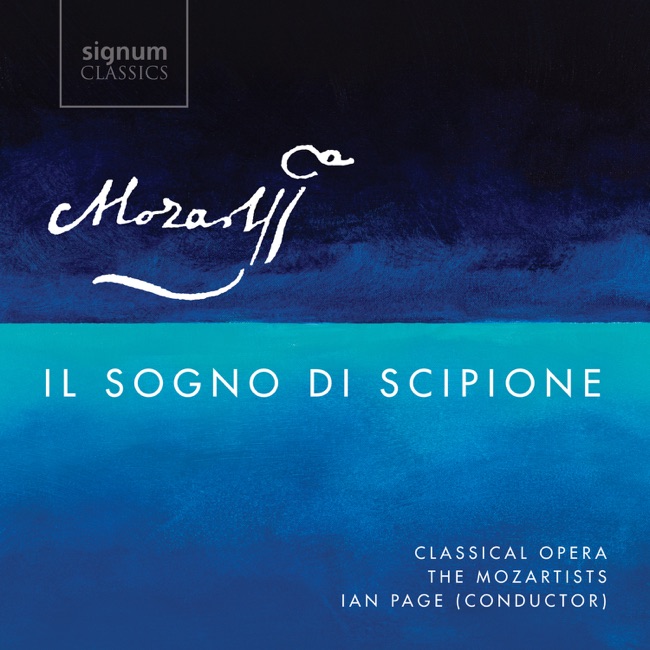
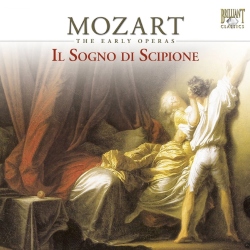
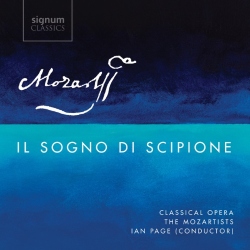
Il sogno di Scipione
Released Album
Recent Album
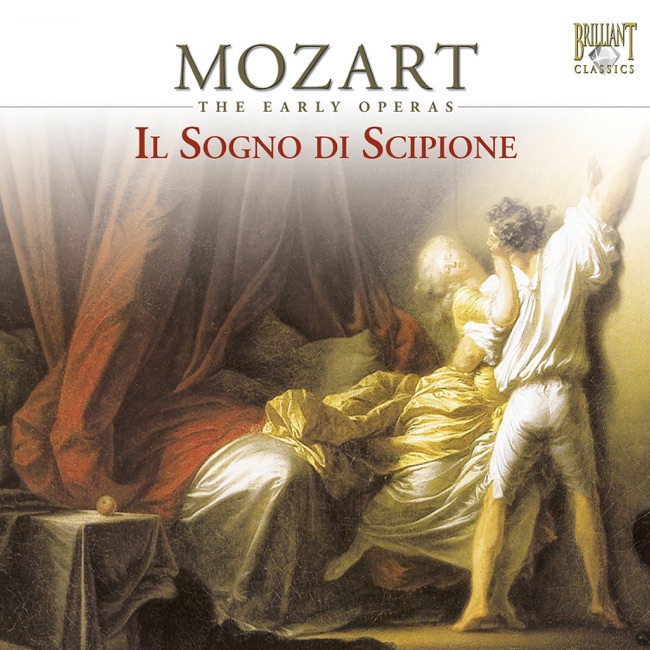
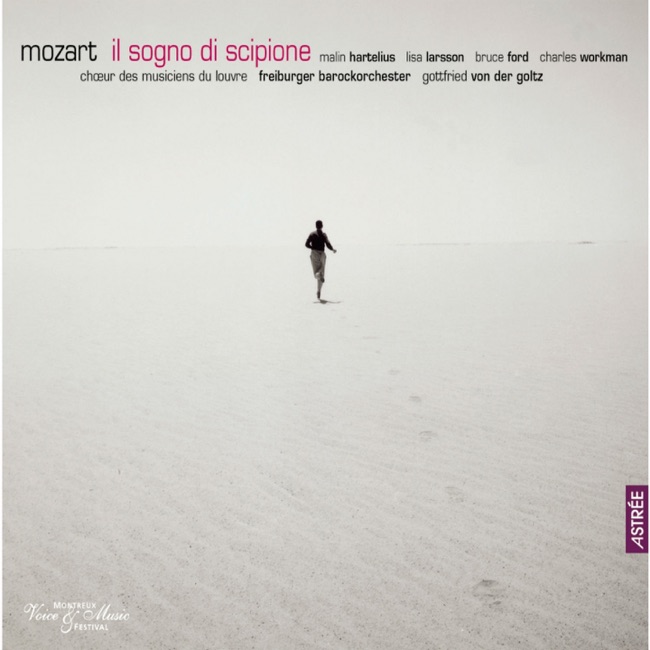
Featured Album
Works Info
Composer:Wolfgang Amadeus MozartGenre:OperaStyle:OperaCompose Date:1772Average_duration:106:10Movement_count:15Movement ....Il sogno di Scipione is an opera composed by Wolfgang Amadeus Mozart in 1771, when he was just 15 years old. The libretto was written by Pietro Metastasio, a prominent Italian poet and librettist of the time. The opera premiered on February 1, 1772, at the Archbishop's Palace in Salzburg, Austria. The plot of Il sogno di Scipione is based on a dream that Scipio Africanus, a Roman general, has in which he is visited by two allegorical figures: Fortune and Constancy. They offer him a choice between two paths: one of earthly glory and one of eternal happiness. Scipio ultimately chooses the path of eternal happiness, and the opera ends with a chorus praising his decision. The opera is divided into two movements, each consisting of several arias and recitatives. The first movement focuses on Scipio's dream and his decision to choose the path of eternal happiness. The second movement features a series of arias and recitatives in which Scipio reflects on his decision and the nature of happiness. One of the characteristics of Il sogno di Scipione is its use of allegory and symbolism. The two allegorical figures, Fortune and Constancy, represent the two paths that Scipio must choose between. The opera also features a number of other allegorical figures, such as Love and Wisdom, who offer Scipio advice and guidance. Another characteristic of the opera is its use of vocal virtuosity. Many of the arias in Il sogno di Scipione are highly virtuosic, featuring elaborate runs, trills, and other vocal embellishments. This reflects the influence of the Italian opera tradition, which emphasized the virtuosity of the singer. Overall, Il sogno di Scipione is a relatively early work in Mozart's career, but it already displays many of the characteristics that would come to define his later operas. Its use of allegory and symbolism, its emphasis on vocal virtuosity, and its exploration of philosophical themes all foreshadow the mature works that Mozart would go on to compose.More....
Works Music
Released Music
Featured Music
Main Perform Artists