Paul Dukas
Symphony in C major
Released Album
Recent Album

Featured Album
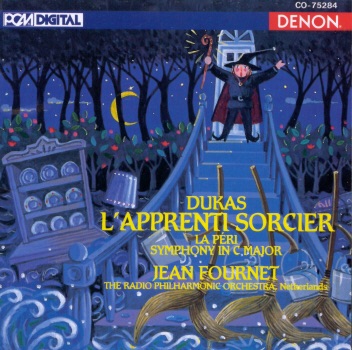
Works Info
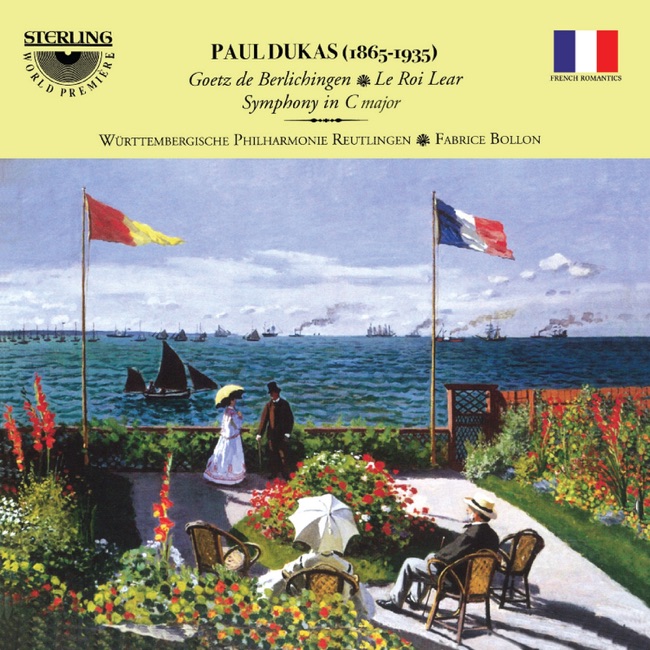
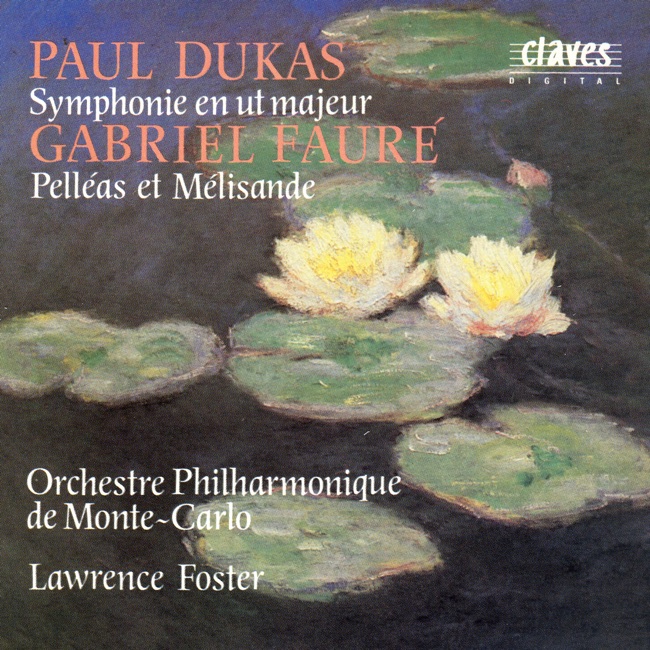
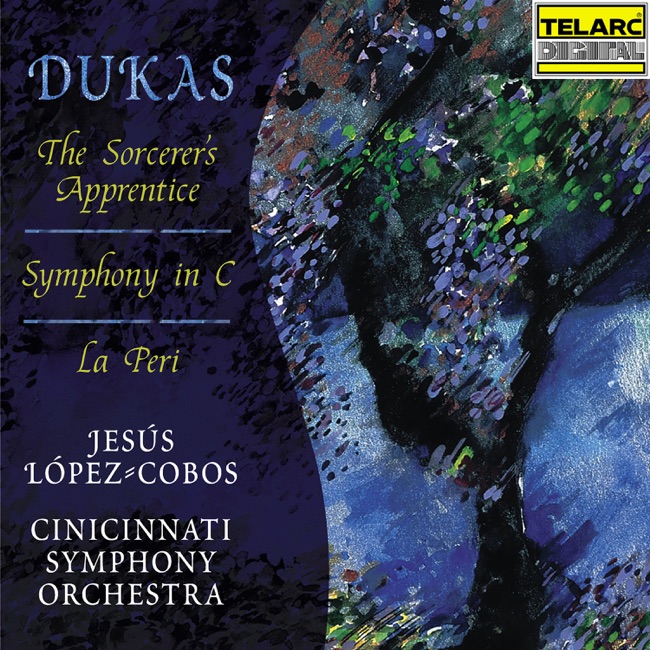
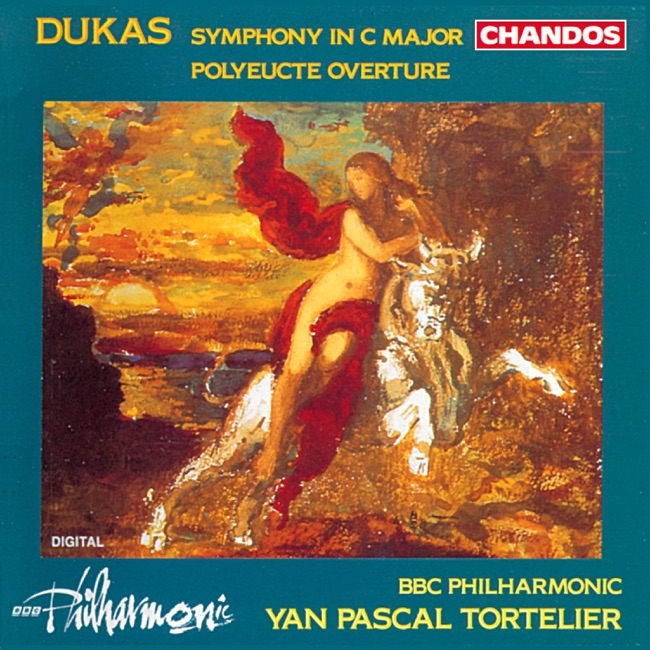
Composer:Paul DukasGenre:SymphonyStyle:SymphonyCompose Date:1895 - 1896Average_duration:39:47Movement_count:3Movement ....Paul Dukas' Symphony in C major, also known as Symphony in C, is a four-movement orchestral work that was composed between 1895 and 1896. The symphony was premiered on April 20, 1896, at the Concerts Lamoureux in Paris, conducted by the composer himself. The first movement, marked Allegro non troppo, begins with a lively and energetic theme played by the strings. The theme is then developed and expanded upon by the woodwinds and brass, creating a sense of excitement and anticipation. The movement features a number of contrasting themes and motifs, including a lyrical second theme played by the cellos and a playful third theme played by the woodwinds. The movement ends with a triumphant restatement of the main theme. The second movement, marked Andante espressivo, is a slow and contemplative piece that features a beautiful melody played by the strings. The melody is then passed on to the woodwinds and brass, creating a sense of warmth and intimacy. The movement is characterized by its lush harmonies and expressive phrasing, and it ends with a quiet and introspective coda. The third movement, marked Allegro vivace, is a lively and playful scherzo that features a number of rhythmic and melodic motifs. The movement begins with a fast and frenetic theme played by the strings, which is then developed and expanded upon by the woodwinds and brass. The movement features a number of contrasting sections, including a lyrical trio section played by the horns and a playful pizzicato section played by the strings. The movement ends with a fast and frenzied coda. The fourth and final movement, marked Allegro molto, is a fast and energetic piece that features a number of virtuosic passages for the orchestra. The movement begins with a lively and rhythmic theme played by the strings, which is then developed and expanded upon by the woodwinds and brass. The movement features a number of contrasting sections, including a lyrical second theme played by the cellos and a playful third theme played by the woodwinds. The movement ends with a triumphant restatement of the main theme, bringing the symphony to a thrilling conclusion. Overall, Dukas' Symphony in C major is a masterful work that showcases the composer's skill and creativity. The symphony is characterized by its lush harmonies, expressive phrasing, and virtuosic orchestration, and it remains a beloved work in the orchestral repertoire to this day.More....
Works Music
Released Music
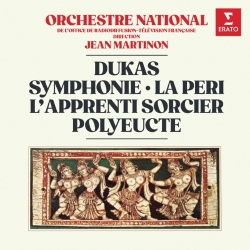

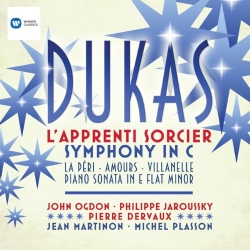
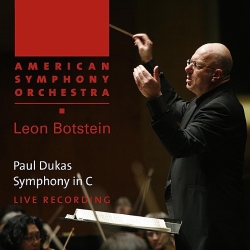
Featured Music